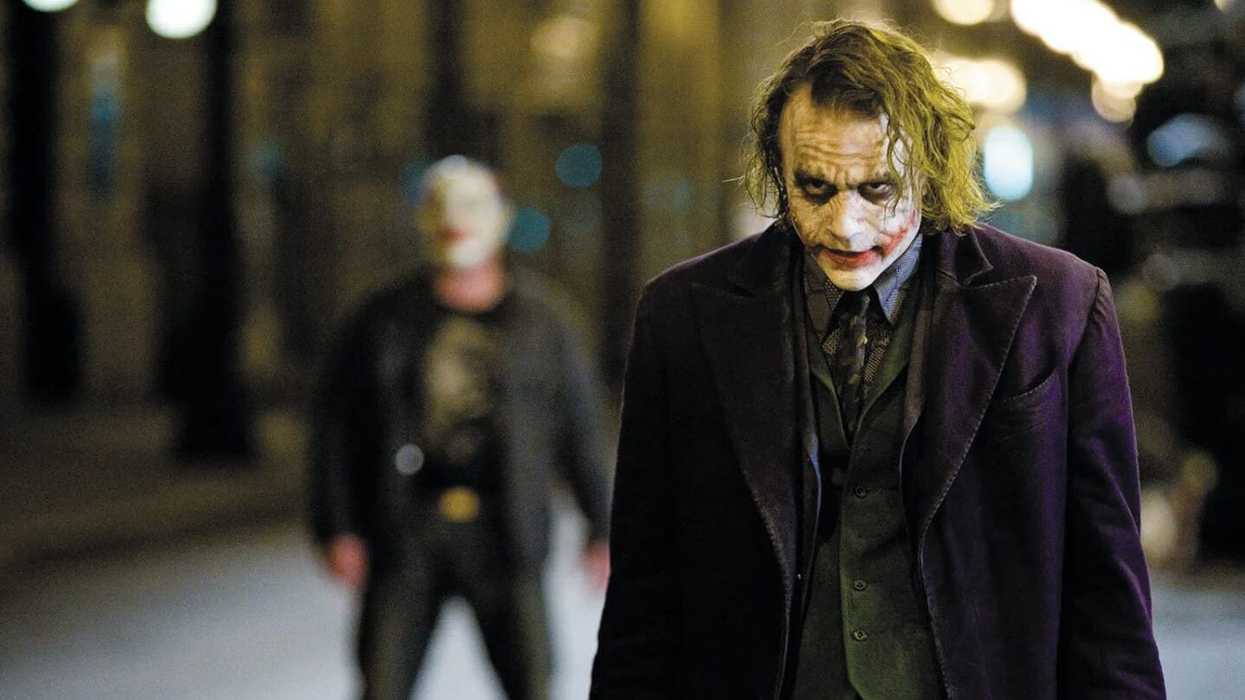
When Heath Ledger says, “Why so serious?” it comes like a threat wrapped in a joke.
In The Dark Knight (2008), that one line slices through the chaos like a calling card. It’s funny in a way that makes you nervous, and instantly brands on your brain.
What’s wild is how quickly it leapt from the screen to everything else: posters, memes, Halloween masks, political graffiti, TikTok beat drops. You can’t walk 10 steps into pop culture without tripping over it. “Why so serious?” has become an eerie mantra that has been twisted, memed, weaponized, and remixed over the years.
So, how did these three little words from a comic book villain turn into a modern cultural fingerprint? Calling it just a movie line is unfair. It’s a sinister and loose-limbed prowl through chaos theory, viral marketing, method acting, meme culture, and the strange places a smirk can take you.
The Line in Context as a Villain’s Mantra
In that unforgettable scene, the Joker (Heath Ledger) corners Gambol (Michael Jai White) with a knife precariously across his mouth, alternating between moments of raw horror and unsettling humor.
The tension rises as the moment morphs into something both terrifying and bizarre. Behind this chilling sequence lies a lesser-known tidbit: Ledger tweaked the line’s cadence, drawing out the “seriousssuhh” in a way that rattled the set.
This bit of improvisation, verified by behind-the-scenes accounts, added an extra layer of unpredictability to the performance.
The quote itself is a window into the Joker’s fundamental belief in chaos. This line is a deliberate challenge to societal norms, embodying the character’s nihilism. This echoes throughout his dialogue, notably in lines like, “Some men just want to watch the world burn.”
There is also evidence that Christopher Nolan drew inspiration from A Clockwork Orange for the Joker's actions, linking performative violence with cultural critiques of order and control.
The Line from Script to Screen
Heath Ledger’s immersion into the role went far beyond rehearsed lines. Reports indicate that his isolated rehearsals—even recording bouts of laughter in a hotel room—played a significant role in perfecting that moment of raw emotion. His dedication was evident in every gesture, turning even a casual line into a seismic event on screen.
One particularly riveting behind-the-scenes anecdote details how the “pencil trick” scene required 22 takes and meticulous precision, even as Ledger had to convey a reckless energy.
Adding to this alchemy was Hans Zimmer’s unconventional score. The dissonant, almost eerie "one-note theme" not only set the tone for the film but also paralleled the tension inherent in that line.
In one inventive twist of production lore, Zimmer reportedly used razor blades on string instruments to capture the Joker’s unsettling aura, a fact that underscores the lengths the team went to to marry sound with visual menace.
How It Became a Cultural Icon
Even before the film’s release, Warner Bros. orchestrated a viral marketing campaign that blurred the lines between reality and movie mythology.
In 2007, alternative reality games—complete with GPS scavenger hunts and sky-written “HA HA HA”—hinted at the chaos to come. Devoted fans found themselves rewarded with Joker-themed cakes and hidden phones, further cementing the quote’s status in pop culture lore.
As the internet took hold, the phrase evolved into a staple of meme culture. Early in the decade, various online communities began reimagining the line with sarcastic humor, coining playful abbreviations like “y so srs” in image macros.
Fast forward to TikTok in 2024, and creators remixed the phrase into catchy beatbox renditions, while subcultures spawned quirky offshoots, such as the “Jonkler” meme, each iteration reflecting the quote’s enduring impact across digital media.
The Line’s Legacy
The cultural resonance of “Why So Serious?” extended well beyond the silver screen. Shortly after the film’s release, political enthusiasts even repurposed the line as a tool for partisan commentary.
A notorious example comes from a 2009 poster juxtaposing Obama’s politics with a Joker motif—a clear demonstration of how a cinematic moment can morph into a symbol in political discourse.
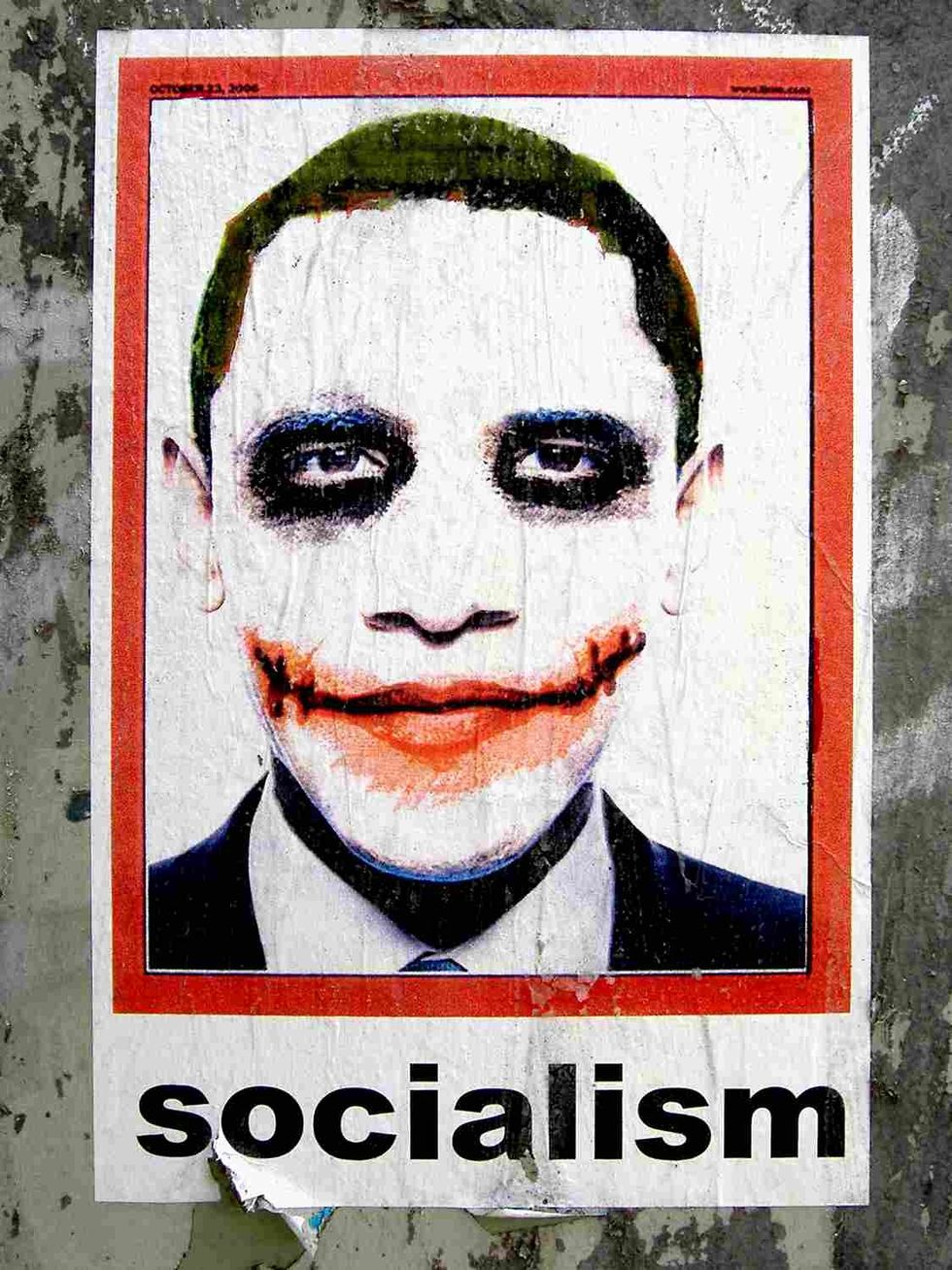 Source: Flickr
Moreover, the film’s success spearheaded an era of darker, more introspective superhero narratives. Subsequent movies, such as Man of Steel, found themselves critiqued for their own attempts at grittiness—a nod, perhaps, to the benchmark set by The Dark Knight.
The lingering influence of the Joker’s persona even rippled into discussions on mental health, notably in Arthur Fleck’s (Joaquin Phoenix) character in Joker (2019), where the line took on layers of tragic self-awareness, transforming from a mere taunt into an emblem of inner turmoil.
As viewers and critics alike continue to revisit Ledger’s performance, the line remains a testament to the unpredictable blend of chaos and charm that redefined what a movie quote can be.
In the words of Ledger’s Joker, "Madness is like gravity… all it takes is a little push.”
- Understanding Dan Harmon's Story Circle Through the Lens of 'The Dark Knight' ›
- Building Gotham: Inside the Production Design of the 'Dark Knight Trilogy' ›
- 5 Tips on How Christopher Nolan Wrote the Joker and 'The Dark Knight' ›
- How Did 'Heat' Inspire Nolan to Make Gotham a Character in 'The Dark Knight'? ›
- The Unexpected Story Behind Joker’s Lip-Licking in 'The Dark Knight' | No Film School ›
- The Most Heartbreaking Line from ‘Brokeback Mountain’ | No Film School ›