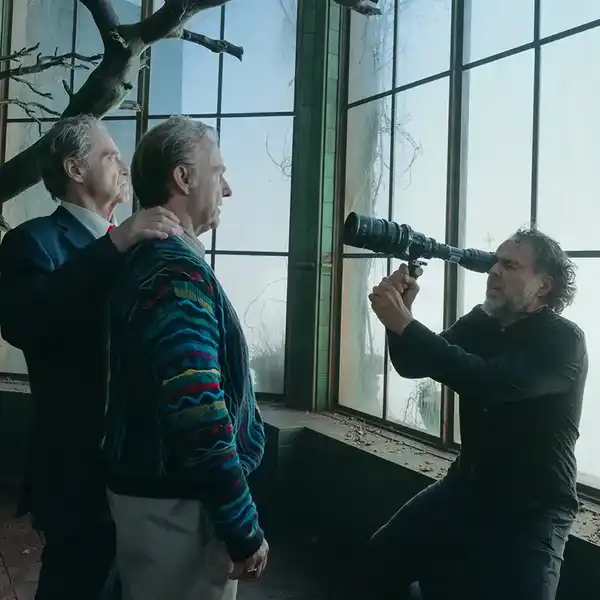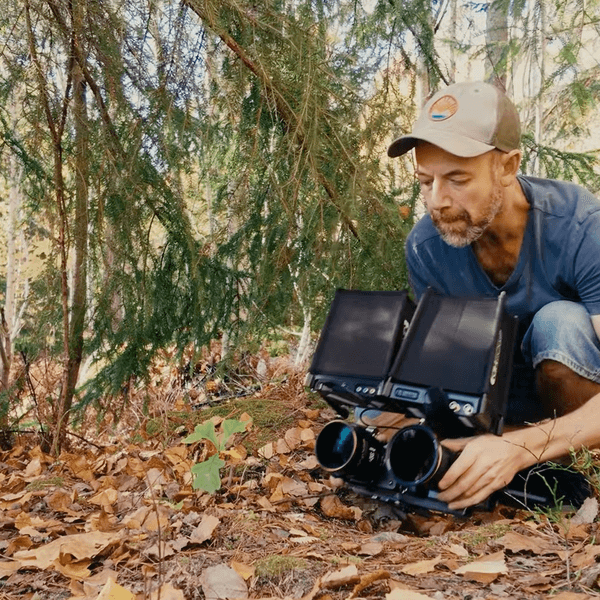
Wade Patterson is a cinematographer, writer, and producer who recently shared his experience making shorts and features with Film Courage. His projects include Death Cipher and the shorts Bare Knuckle and Freedom Fighters.
In his grounded interview, he discusses the common screenwriting impostor syndrome, ways to be more efficient as a writer, and how to diagnose and resolve writing issues. Dive in!
- YouTubewww.youtube.com
Keep Ideas Dated and in One Place
When you’re brainstorming and trying to find your next idea, it can feel like a chaotic process. The worst is when you’re stricken by something amazing (a character detail, a line of dialogue) and you forget it later. Sorry, but chances are you’ll never get that back.
Patterson keeps a record of this process."I just write everything in a notebook, and I write a date so I know exactly when the idea came, and I know exactly how it develops throughout."
He keeps one notebook for all projects and can track how ideas evolve over time. Paper comes before the computer, which helps him "live in it a little bit more."
And it’s true, there's something about handwriting that engages a different part of your brain than typing. It’s harder to revise as you go, so ideas flow without self-editing, filtering them out before they fully form. Many screenwriters (like Tarantino) say that their best work starts on paper, then gets transcribed and refined on the computer.
Get a cheap notebook and commit to it for one project. At the end of your first draft, go back through, and you'll hopefully see your thought process mapped out.
When Should You Structure?
When asked about when a writer should start structuring their story, Patterson said, "I think as late as possible, because if you try to put too much structure on the story too early, you get locked into plot."
He said that character exploration suffers when the plot is cemented too early.
"The most interesting thing about a movie is the characters that are in it, and the character arcs that they go on."
Patterson is basically arguing that over-structuring kills discovery. If you know exactly what happens on page 30, for instance, it might be that you're writing to hit plot points instead of following characters through their choices. And characters, he argues, are what audiences actually care about.
It’s not exactly clear here what “as late as possible” means and could be different for everybody. Maybe he starts his first draft without that foundation, or maybe he outlines the big beats and jumps in. Either way, I probably wouldn’t go so far as to say you shouldn’t have some idea of structure. Patterson even calls out how Stephen King sometimes doesn’t know his endings—but King, unfortunately, has had some misses.
Everyone’s different, but I’d say you should certainly know what your story is about thematically. You should know your protagonist's central dilemma. And you should know the major turning points, including the ending.
I tend to outline, knowing that things will change. Sometimes scenes organically flow better in a different order than I planned. Sometimes I can feel that a scene needs another beat before it to increase tension. An outline is a guide. You’re not locked into it. You can still let your characters explore.
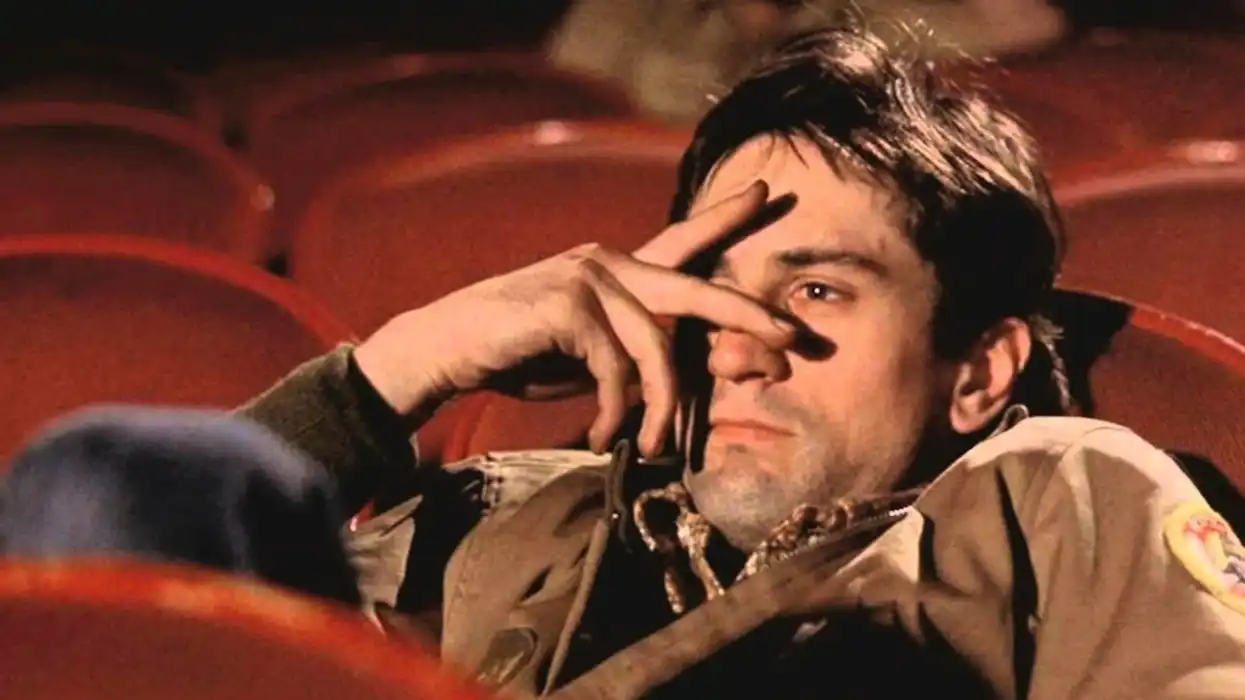
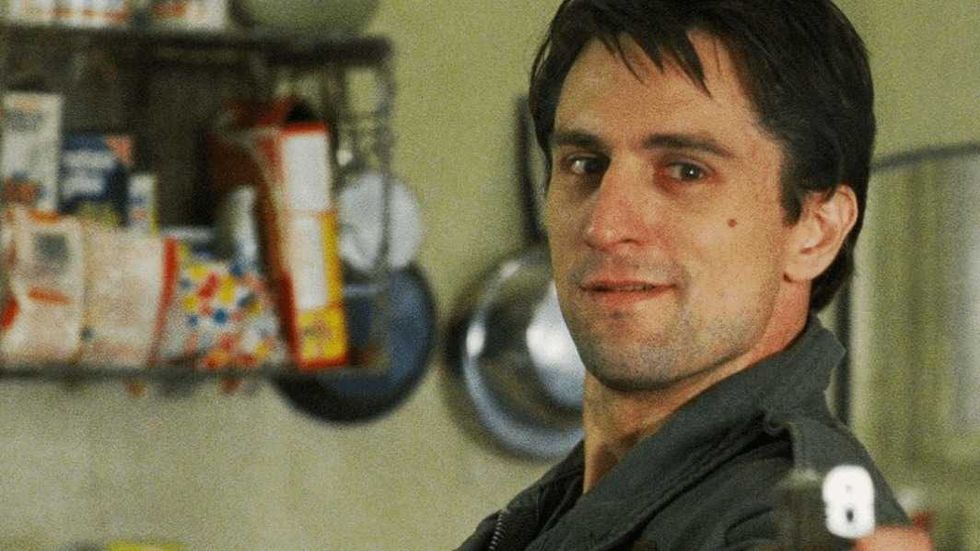 Taxi Driver Credit: Columbia Pictures
"I Think a Good Scene Has to Do at Least Two Things."
You already know this. Every scene must serve multiple purposes.
How do you make a scene do more than one thing? Conflict. Not necessarily violence or raised voices, but two people in a scene wanting different things, or wanting the same thing for different reasons, or agreeing on the goal but not the method.
Imagine you have two friends trying to decide where to have a birthday party, each wanting something different. Suddenly, the scene is doing triple duty. It forwards the plot (they have to decide), reveals character (what each person cares about), and complicates their relationship (they realize they disagree).
If a scene doesn’t have conflict, why is it there? Just for information delivery? That’s not always exciting. Try to get some spice even in your expository scenes.
Look Earlier in the Script When a Scene Isn't Working
Maybe you’re bumping on a scene, and you can’t seem to figure out what’s wrong with it. Patterson explained that it would be a mistake to just give up on it.
"Bad scenes, a lot of times, are a piece that you're trying to connect to other pieces. And if that's all it's doing, it's not enough. It's not enough to be a scene. You've got to find a way to inject another level or layer to it."
Again, is it serving multiple purposes? Does it have conflict? Is the character's goal clear? Sometimes the answer to all three is yes, but the scene still doesn't work because something earlier didn't land. If Act One didn't establish why your protagonist cares about the central conflict, then scenes in Act Two that depend on emotional investment will fall flat.
Build Character Empathy Before Anything Else
In one of Patterson's films, he isolates his protagonist for 80% of the runtime. When early readers said they didn't connect with her, he said, "How can we make small adjustments to make her more likable to create moments where we can at least empathize with her?"
Despite some current (incorrect, we think) film criticism, you don’t have to write a likable character. Your character doesn’t have to be someone you’d want to hang out with. The audience just needs to understand where the character is coming from and recognize some humanity in them. You have to understand their struggle, recognize their pain, and see why they make the choices they do. There’s a difference between relatability and likability.
Patterson’s solution wasn't to rewrite the scenes where that feedback arose, but instead to rewrite earlier scenes. They moved a mother/daughter scene from page 17 to page 10, fundamentally shifting how audiences perceived the protagonist before they'd even developed opinions about her.
Audiences form opinions quickly, in the first five to 10 pages. If your protagonist hasn't done anything to earn empathy by then, it's an uphill battle. If you're getting feedback that audiences don't care, don't fix the scene they're reacting to. Fix what comes before it.