The Hidden Language of Movies: How the "Slow Zoom" Quietly Builds Up Intimacy
Unlike cuts or camera pushes, a slow zoom doesn’t chase a character—it invites us into their emotional space by changing perception without breaking time.
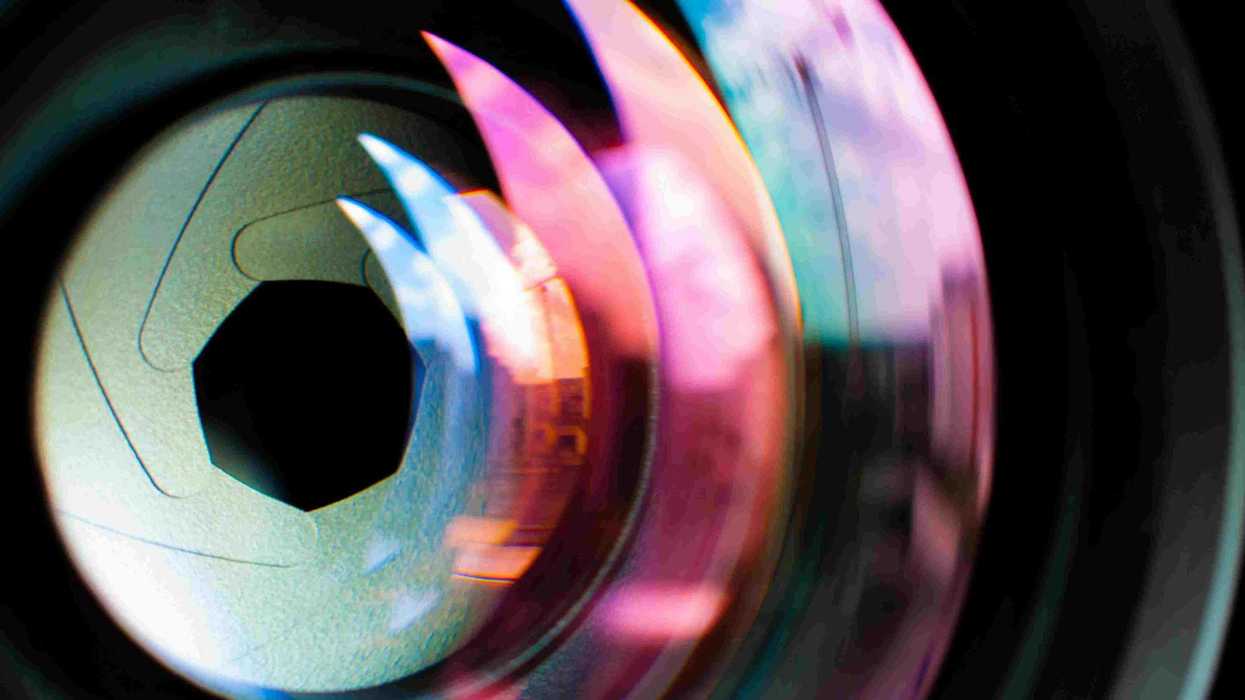
The general audience is usually used to the breakneck pace of movies. Camera moves, such as jump cuts, smash cuts, and cutaways, keep them awake and alert. While such techniques ensure audience engagement, another technique ensures emotional and psychological immersion: slow zoom-in.
This is the introvert, cerebral member of the camera-cuts family. It doesn’t involve any sudden transition or shaky movement. Instead, it quietly eliminates the surrounding clutter, leaving only one subject in focus that truly matters.
Zooming in may be interpreted as getting physically closer to a face, but it’s actually about closing the gap between your (the viewer’s) brain and the character’s soul. It’s less about exploring physical details in great detail and more about creating a vibe.
As the edges of the frame start to disappear one after another, you feel things are getting real and more intense. This is the moment when you stop watching a screen and start sinking into a feeling.
Mechanics of a Slow Zoom-In
Compression vs. Movement
First, let’s understand the difference between a “push-in” and a “zoom-in” camera movement.
In the push-in movement, the camera physically moves closer to the actor, changing the perspective of the background.
In the zoom-in movement, the camera stays put in its place but changes its focal length, creating a “flattening” effect. It creates a compressing visual effect where the background seems to close in on the character.
In other words, it creates the illusion that the background is hugging or squeezing the person on screen.
Preservation of the Timeline
Every time there is a cut on the screen, there is a cut in the timeline within the narrative. But not with zoom-in, which keeps the clock running.
But what’s the advantage of keeping the timeline intact?
Without the timeline breaking, the audience stays in the moment. There is no distraction, no escape. A cut is like a blink, and since the zoom-in avoids that, the tension builds steadily. Since the camera doesn’t look away, you don’t either. As a result, you get caught up in a hypnotic rhythm that locks you inside the character’s emotional space.
Creating Narrative Gravity
Establishing Emotional Weight
The slow, penetrating movement of the camera informs the brain about the extra gravity or depth that the current moment holds. As the camera advances into that depth, the stakes heighten. It creates a sense of “tunnel vision”—loss of peripheral vision with retention of central vision. The real-life implications it mirrors are feelings like stress and affection.
Distorting the Reality
Filmmakers, such as Sofia Coppola, are known for using slow zoom-ins to convey a sense of isolation or dreamy longing. As the field of view shrinks (or narrows), the character becomes detached from their surroundings. The world blurs, and the internal mood emerges as the only reality.
In simple words, it’s a clever way of showing the character has zoned out or is obsessing over a single thought.
Conclusion
The slow zoom-in proves that visual storytelling doesn’t always need snappy cuts or editing to be impactful. When you need to create a bond between the audience and the screen image, it can rely on the power of steady observation. It works by changing our perception of space and turning a flat screen into a deep emotional experience.
So, next time you see the edges of the frame shrinking, watch closely. It’s not just a random zoom; the director is letting you in on a secret.
Look at it this way: the intimacy is not about the distance of the camera but the focus of the heart.
- The Dolly Zoom Timelapse Will Blow Your Mind! Here's How to Pull ... ›
- Everything You Need to Know About the Dolly Zoom | No Film School ›
- Watch: The Subtle Differences Between a Zoom and a Dolly Shot ›
- Zoom H4 Essential H4ESSENTIAL Replacement for Zoom H4n ZH4N ›
- Why Are You Sleeping on the Killer Feature of the Fujifilm X-H2 Line? ›
- My Wife and I Made a 3000 Shot Feature Film By Ourselves (and ... ›
- A Colorist's Perspective: Practical Comparisons of DaVinci Resolve ... ›
- How I Made a Short Film Over Zoom: One Actor, One Shot, One ... ›