The industry is reeling from news that Netflix has clinched the winning bid for Warner Bros. Discovery (WBD). This has created an unprecedented consolidation of content and market power and scared filmmakers.
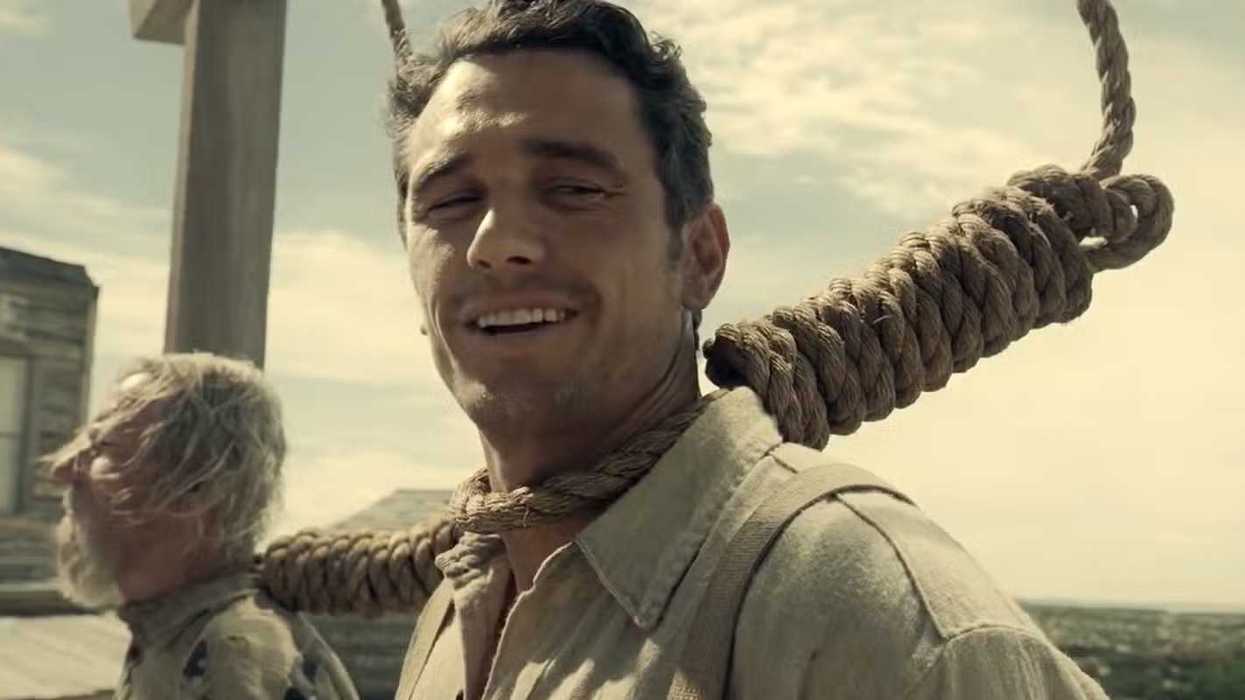
Now, Variety is reporting that some of these filmmakers are raising their voices anonymously and have sent an urgent open letter to Congress, warning that the merger would lead to an "economic and institutional meltdown" and "effectively hold a noose around the theatrical marketplace."
This isn't melodrama; it's a real worry that the industry is about to change forever, and take tens of thousands of jobs with it.
Let's dive in.
Why the A-Listers Went Anonymous
Okay, so a bunch of anonymous A-listers have sent an open letter to Congress. They identified themselves only as "concerned feature film producers," and sent their note via email, cautioning that a successful Netflix acquisition of Warner Bros. Discovery could trigger a severe institutional and economic collapse across Hollywood.
So yeah, things here are not going great.
The collective chose to keep their names private out of genuine fear of professional retaliation. Netflix has immense power as a dominant buyer and distributor of content in the marketplace, and if they want to blacklist someone, they can.
 'Eyes Wide Cut' Credit: Warner Bros.
Decimating the Theatrical Window
The central argument of the open letter focuses on the elimination of the theatrical window when movies are only in theaters, and not streaming.
That window used to be the engine of how a film made money. That money was then paid out to the writer, director, actors, producers, crew members, and was beneficial for all.
It kept all these people afloat.
The filmmakers argue that a Netflix-owned Warner Bros. would gain enough market power to dramatically shorten, or even eliminate, that window for blockbusters and prestige films, and therefore the money that all these people collect.
They point to past comments by Netflix co-CEO Ted Sarandos, who stated that "Driving folks to a theater is just not our business."
What Else Is Everyone Afraid Of?
Look, this is not a complicated issue, actually. The fears are pretty simple to see from everyone inside Hollywood's perspective:
- Shrinking Market: Netflix's business model prioritizes streaming over theatrical. By cutting the theatrical window, they devalue the film and effectively strangle movie theaters, which are already struggling.
- Depressed Back-End: Shorter windows reduce box office totals, which in turn depress the value of residuals, bonuses, and back-end participation for creatives whose contracts are tied to performance.
- Loss of Choice: While rival bidders like Comcast and Paramount pledged to keep Warner Bros. as a theatrical-first studio. Netflix’s winning bid means a massive, established distribution pipeline is now in the hands of a company whose core philosophy is anti-theatrical.
The Indie Filmmaker's Crisis
Our readers have already expressed concerns via email and across social media about this acquisition.
This consolidation will not just affect A-listers, but filmmakers from top to bottom. We've broken that down at length, and you can read about it here (LINK TO MY OTHER ARTICLE).
But let's look at a few highlights:
- Fewer Theaters, Fewer Slots: Theatres rely on studio tentpoles to stay open. If a combined Netflix-WBD cuts the slate of traditionally released films, thousands of screens—especially local indie screens—could close. Fewer screens mean fewer opportunities for all films.
- Devalued IP: The market's perception of "film value" will continue to be tied to streaming metrics (views, completion rates) rather than box office. This makes it harder for indie producers to argue for high valuations on their intellectual property, submarining their ability to finance future projects or negotiate deals.
- Increased Retaliation Risk: If only one or two entities control virtually all major production and distribution, the bargaining power of individual filmmakers—especially emerging ones—drops to zero. The fear of being blacklisted becomes a very real professional hazard.
Summing It All Up
The whole of Hollywood is going through a reckoning right now. One that will involve Trump, Congress, the DOJ, and lots of other people as they weigh in on whether or not Netflix has a monopoly on streaming.
If the deal is allowed to go forward, it will forever reshape the entertainment industry. For filmmakers navigating the current landscape, the stakes couldn't be higher.
Let us know what you think in the comments.