Single-Shot Wonders: Cinema’s 10 Most Iconic Long Takes
These are sequences that will leave you spellbound.
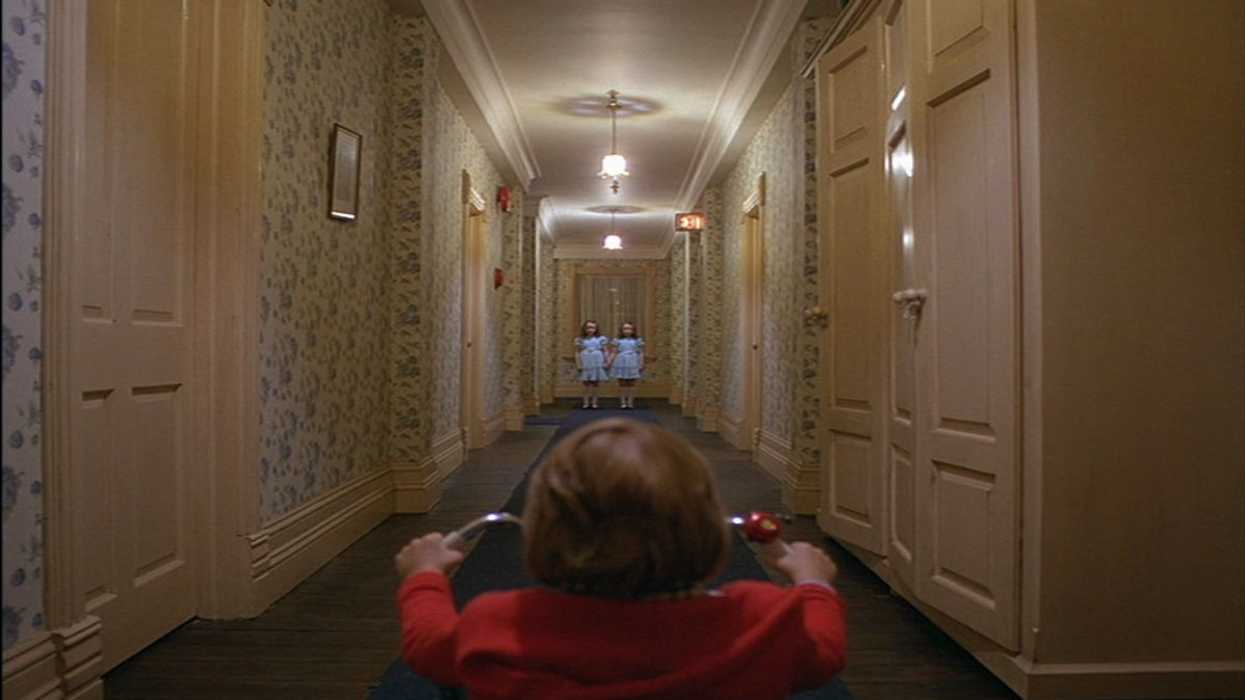
The Shining (1980)
A long take is often associated with pacing. The common conception is that a long take slows down your narrative. While that is definitely up for debate, I prefer long takes for their seamlessness and anticipation. By closely replicating how humans are generally used to seeing the world, long takes also enhance the intimacy in a narrative.
That being said, filming a long take is no child’s play. An iconic long take is a result of meticulous prep and days of sweat and blood.
In this article, we’re looking back at the greatest long takes of all time.
10 Best Long Takes of All Time
1. Goodfellas (1990)
Martin Scorsese’s Goodfellas features one of the most culturally influential single takes of all time. Centering a career criminal, Henry Hill, Goodfellas’ long take follows Hill as he makes his way through the Copacabana Night Club with his new wife, flaunting his new wise guy lifestyle. The long, unbroken take following the couple makes their way to their table is iconic and a masterclass in exposition as it reveals a lot about Hill in just a few minutes, including his criminal status and relationships.
2. Touch of Evil (1958)
Orson Welles’ Touch of Evil relies on an iconic long take, right in its opening sequence, to introduce characters while building suspense. It begins with a bomb being placed in the trunk of a car, and the owners drive away with the ticking time bomb with them. As the car makes its way to the U.S.-Mexico border, Welles not only establishes the characters but also sets the mood of the narrative by visual exposition. At the end of the long take, as the bomb goes off, we realize that the long take was serving as a countdown for the explosion.
3. Jaws (1975)
This particular long take is notable for the amount of magnificent performance it holds. In the shot, Brody (Roy Scheider), Quint (Robert Shaw), and Hooper (Richard Dreyfuss) confront the Mayor about not taking necessary actions against the shark. Slightly different from its peers, this long one-take treats the narrative as if it were a scene from a play.
4. The Shining (1980)
The iconic one-take shot where Danny rides around on his cycle in Stanley Kubrick’s The Shining showcases a masterful use of long takes for exposition. Kubrick's long take not only establishes the layout of the Overlook Hotel, but also elevates the tension as we follow little Danny riding away on his tricycle.
5. Poltergeist (1982)
Tobe Hooper’s Poltergeist features a badass long take that is so seamless that people often miss out on its magic. The beauty of the shot lies in its dynamism, as despite being a single shot, it keeps switching between angles and characters. It is a subtle yet effective build-up to the sequence with Tangina Barrons (Zelda Rubinstein) addressing the abducted girl’s parents.
6. Contact (1997)
A long take that is often compared to an illusion, this mirror scene from Contact is emotionally rich and a technical masterpiece. The shot is a flashback to the moment Ellie Arroway (Jodie Foster) lost her father and follows young Ellie Arroway (Jena Malone) as she frantically rushes up the stairs to the bathroom to grab her father’s pills. But as she opens the cabinet door, the shot shifts from her frontal to her OTS in an unbelievably seamless way. Theoretically, the shot is not a single shot; rather, it is created by digitally compositing two different shots. Yet, it is one of the most innovative long take shots you will come across. Pure magic!
7. Magnolia (1999)
Magnolia’s long take takes us around the television studio and essentially focuses on exposition. But the shot is not designed as an omniscient observer. Rather, its movement follows the perspectives of the different characters in the scene. On one hand, the shot masterfully establishes the layout and vibe of the television studio, and on the other, it reinforces Magnolia’s central theme of stylistic obsession.
8. Panic Room (2002)
David Fincher’s Panic Room features another classic long take that not only focuses on exposition but feels like a setup for the oncoming roller-coaster ride. Like the long take in Contact, the take was created by digitally compositing a number of shots. The shot establishes the geography of the house, establishes the three villains that are coming in to attack, and also masterfully shows the exits for escape. The shot is widely considered to be one of Fincher’s most elaborate and fancy shots, considering how impossible it feels!
9. Oldboy
The story of a man who pays heftily over a little mistake, the hammer scene in Oldboy is as iconic as the narrative. Being wrongfully accused of his wife’s murder and imprisoned for 15 years, Oh Dae-su (Choi Min-sik) is finally released by his captor with a challenge—he must track down his captor in five days, before he kills himself. The long take is packed with action and anticipation as Oh Dae-su faces a bunch of thugs head-on, with a hammer. No wonder it is considered to be one of the most iconic long take action sequences in modern Korean cinema.
10. Athena (2022)
A French film centering on police brutality and the common people’s retaliation, Romain Gavras’ Athena, blew me away when I watched it for the first time. Featuring one of the most iconic long takes, Athena reflects the hard work and creative innovation that went into making it. The long take opens with a police press conference, which is soon violently disrupted by a group of rioters who rob the police precinct of the freshly arrived arsenal.
The entire chaos is captured in a single take, following the rioters as they hurriedly make their way through the police station, steal the arms, hop into the vehicle, and drive away to their hideout, celebrating their victory. The novelty of the long take lies in the fact that it sprawls over multiple locations, featuring multiple actors and an army of extras, spanning over 10 full minutes! I was so mindblown that I went to check the making online, and to be honest, bow down to the entire crew for being able to pull this off with such panache!
These are some of the best long takes in movies. While long takes are definitely challenging, films such as Aleksandr Sokurov's Russian Ark and Sebastian Schipper’s Victoria and shorts, including Alfred Hitchcock’s Rope, have taken it to a whole new level by filming the entire narrative in a single continuous take.
Do let us know which one you like the most!
- How They Shot The 'Children of Men' Long Take ›
- How 'The Bear' Uses Long Takes and Quick Cuts to Create Intensity ›
- How the Long Take Uses Creative Camera Work to Control the Audience ›
- How Was the Copa Long Take in 'Goodfellas' Shot? Let the Steadicam Op Explain ›
- How These 8 Movies Shot Long Takes (with Disguised Cuts) ›
- How ‘Past Lives’ Creates Intimacy Through the Long Takes ›
- Touch of Evil Opening Scene ›
- Film Quote of the Day: The 'Children of Men' Line That Sums Up Faith vs. Chance and Everything in Between | No Film School ›