Unpacking the Dark Legacy Behind the Gold Watch in 'Pulp Fiction'
How this one family heirloom carries trauma, legacy, and narrative weight in Tarantino’s classic.
Pulp Fiction (1994)
When we think of family heirlooms, we think of physical objects that connect us with people in the past we may never have met. Silent witnesses to history, they represent an ongoing legacy that you are a part of. From time to time, you take these heirlooms out of their bejeweled, velvet boxes just to admire them and cherish the stories they hold.
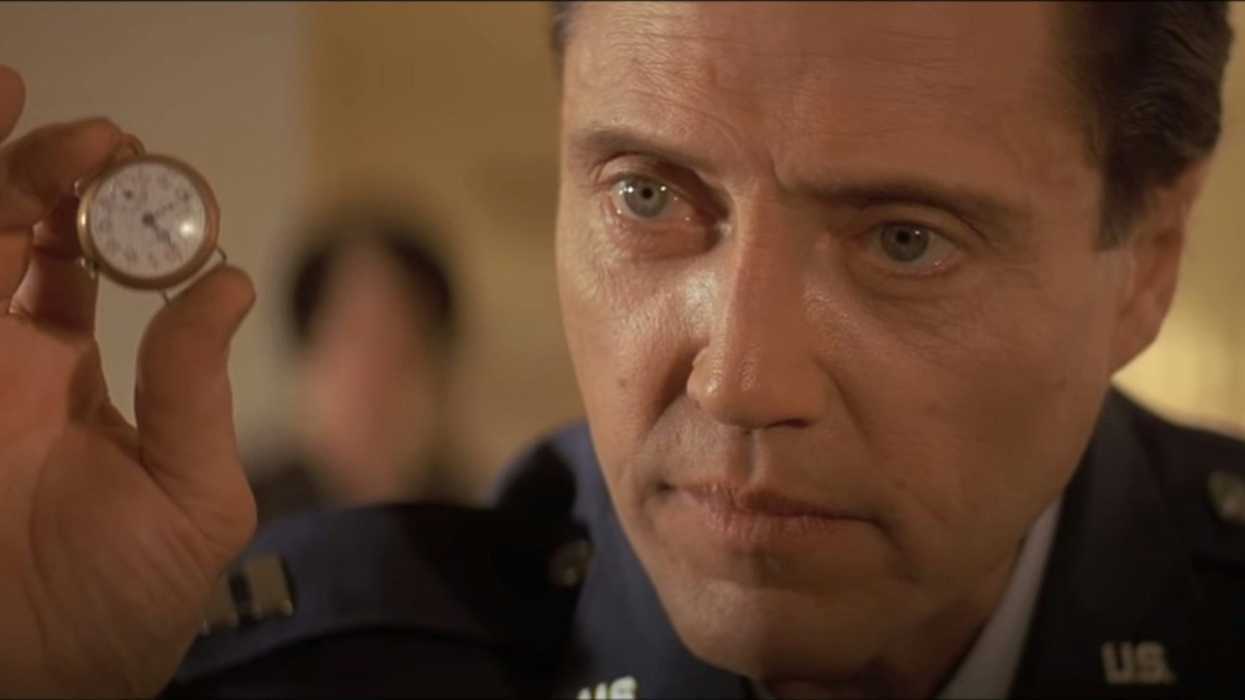
The gold watch of Pulp Fiction (1994) is a different matter, though. It’s an heirloom, yes, but it’s anything but ordinary. You don’t hear of it through a proud, nostalgic retelling of a story. It’s revealed through an austere, dark monologue delivered by a stranger. It isn’t simply passed down from generation to generation; it has been smuggled through the hellholes of POW camps.
Even within the narrative structure, just like the glowing briefcase, this gold watch is not a mere plot device. This ticking piece of history embodies generations of trauma, the complex nature of legacy, and the irrational choices that define the characters.
The Grim Legacy
Before we delve into how this watch drives the narrative, it’s essential to understand the kind of legacy it carries. This will help us understand what it means for Butch to own this heirloom passed down to him through three generations of soldiers.
Generations of Sacrifice
The watch’s journey begins with Butch Coolidge’s (Bruce Willis) great-grandfather, a soldier in World War I. Right before he left to fight, he purchased this watch in a small shop in Knoxville, Tennessee. Before dying of dysentery during the war, he passed it down to his son, Butch’s grandfather, who carried it with him through World War II. Later, he gave it to his son, Butch’s father, who wore it as a soldier in the Vietnam War, until he was captured and died in a POW camp.
The Watch’s Unseemly Journey
When Captain Koons explains, in a single, unbroken monologue, how the watch survived wars and POW camps, its bizarre journey starts to unravel. Knowing Vietnamese soldiers would confiscate the watch if they found it, Butch’s dad hid it in his ass for the whole five years. Before dying of dysentery, he gave it to Koons to pass it on to his son, Butch. Koons, himself a prisoner at the enemy camp, dutifully hid it in his ass for two more years until he was free.
In this deadpan delivery of the monologue, detailing the bizarre acts of preservation, one thing is clearly highlighted: the watch is much more than an object of sentimental value; it’s a noble legacy that has endured great violation and suffering to complete its journey into Butch’s hands.
The Narrative Engine for Butch’s Arc
Now it’s time to see how this watch propels Butch’s storyline, forcing him to confront his past and rebel against a dangerous crime boss.
An Act of Defiance or Stupidity?
Butch’s character arc entirely hinges on his decision to betray his boss, Marsellus Wallace (Ving Rhames). Despite having clear instructions from Wallace to throw the boxing match, Butch wins it on purpose. Then he runs. He has everything he needs: the freedom, the money, the girl, and the plan.
When he discovers his girlfriend forgot to pack the watch, he goes berserk and decides to go back to his apartment to retrieve it. Considering Wallace must have his men lurking around it, it seems like a stupid thing to do. He obviously risks a near-certain death by doing so. But it’s not stupidity. It’s an instinctive act driven by his desire to protect his priceless legacy.
Direct Path to Chaos
Going back to his apartment is the catalyst for the second half of Butch’s storyline. Unknown to him, his apartment is now manned by one of Wallace’s hitmen, Vincent Vega (John Travolta). When he learns of his presence, Butch kills Vincent.
Moments later, he comes across Wallace himself and attempts to run him over. This act launches them into a bloody chase that ends in a pawnshop.
This sequence of events is an indication that the gold watch is no longer just a representation of Butch’s past; it’s actively shaping his violent and chaotic present. And by doing so, it is forcing Butch onto a collision course that he was trying to avoid.
How Reclaiming the Past Unlocks the Future
By going back to his apartment to retrieve the watch, Butch ironically paves the way to his freedom. The events in the pawn shop lead to a strange moment of shared trauma between Butch and Marsellus. Marsellus decides to forgo Butch’s debt in exchange for his silence. Just like that, Butch gets a clean slate, reclaiming the watch, the girlfriend, his future, and his freedom—just because he refused to let his history go.
A Cultural Landmark
Christopher Walken’s powerful monologue, the watch’s strange legacy, the drama that surrounds it, and how it snowballs minor incidents into major chaos—all this amounts to the watch being a very intriguing phenomenon. Like most iconic cinematic imageries, this gold watch, too, has carved its own place in pop culture.
The Iconic Monologue
Christopher Walken’s delivery of the speech, marked by the perfect blend of gravity and absurdity, is consistently ranked as one of the best iconic monologues in cinema. The scene is also an ideal example of cinematic exposition. It tells everything you need to know about the watch and Butch’s background in one fascinating and darkly funny scene.
Enduring Pop Culture Legacy
Pulp Fiction is a movie that has been endlessly mythified and memefied, and like many of its components, the gold watch also holds its place in the pop culture encyclopedia. The scenes that feature the watch—the Koons monologue, Butch’s retrieval of the watch—are frequently referenced, recreated, and parodied in movies and talk shows.
The Weight of Time
Ultimately, Butch’s gold watch is more than a timepiece. It’s a treasure trove of memories, a symbol of dark and painful heritage, and also a narrative tool that forces a good man to do desperate things. Through the watch, Butch’s story transcends boxing, money, and survival—it becomes about bearing the weight of a painful legacy and turning it into something honorable.
Its journey through the bowels of conflict, violence, grief, longing, and perseverance reminds us that the things we inherit are rarely simple. They are complex and heavy, and they demand that we risk everything to hold on to them.
- 'Pulp Fiction' Gets Deconstructed in This Full-Length Film Analysis ›
- “That’s All You Had To Say”: Breaking Down This 'Pulp Fiction' One-Liner ›
- The Meaning Behind Pulp Fiction’s “Royale with Cheese” ›
- The Grandeur of the 'Pulp Fiction' Dance Scene ›
- Everything You Can Learn From the 'Pulp Fiction' Script ›
- Watch: If You Turn the Sound Off, 'Pulp Fiction' is Still Brilliant. Here's Why ›
- How Did Fellini's Influences Directly Inspire Tarantino's 'Pulp Fiction' ›
- Everyone Misunderstands the Hand-Drawn Joke in 'Pulp Fiction' ›
- Clocks and Katanas: Breaking Down the Iconic Basement Sequence in Pulp Fiction ›
- The Secret Behind the Iconic “Walken Pause” in ‘Pulp Fiction’ ›
- The Iconic 'Pulp Fiction' Scene That Survived the Chopping Block ›
- The Foot Massage Power Play: Why Jules and Vincent’s Debate in Pulp Fiction Was Never About Feet ›
- The Wallet Test: How the Final Scene of ‘Pulp Fiction’ Flipped the Script ›