15 Political Thrillers That Stand the Test of Time
These ranked films prove why political thrillers remain one of cinema’s sharpest tools for exposing corruption and control.

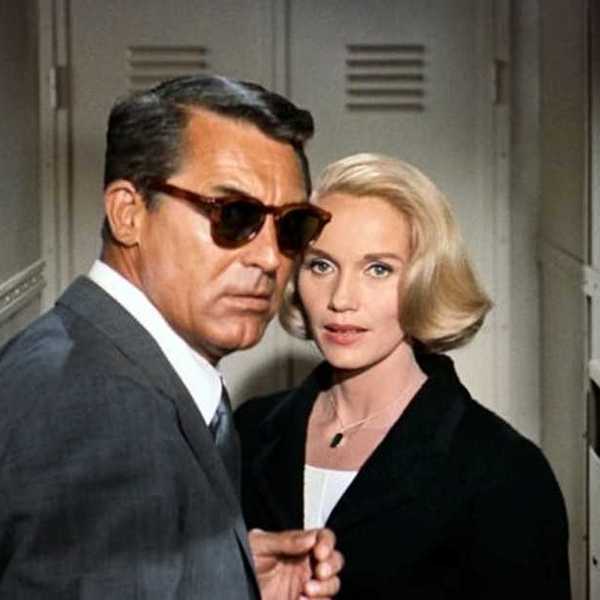
The Manchurian Candidate (1962)
Political thrillers tap into a very specific itch—the feeling that the world is run by hidden hands, and ordinary people are left scrambling to piece together the truth. These films thrive on suspicion, shadowy power plays, and the terrifying idea that the system meant to protect us might actually be the threat.
It’s no wonder audiences keep coming back to them.
What sets this genre apart is the way it fuses suspense with stakes rooted in reality. The danger isn’t a ghost or a serial killer—it’s corruption, espionage, media manipulation, or unchecked authority.
These elements make these stories sting because they feel all too plausible. Every twist reminds us of how fragile institutions can be when greed or ambition takes control.
And that’s why the best political thrillers endure. They’re so much more than entertainment. They’re cinematic reminders to stay awake, stay skeptical, and pay attention.
These films capture eras of paranoia and unrest, yet they also echo into the present, proving just how timeless their warnings are.
What Makes a Thriller Timeless?
Beyond Entertainment
The films here weren’t picked for the thrill element alone. Each has left an unmistakable mark—whether through critical acclaim, cultural influence, or sheer craftsmanship. These are the ones that carved their place in history.
The Relevance Factor
Another test was longevity. If a thriller still feels urgent today, even decades later, it earned its spot. Whether it’s about government overreach, corporate greed, or manipulation of truth, these themes refuse to age.
A Note on the Ranking
Of course, no ranking is definitive. Think of this less as gospel and more as an invitation to revisit—or discover—films that continue to shake up how we think about politics, power, and cinema itself.
The Definitive Countdown
15. The Post (2017)
Written by: Liz Hannah, Josh Singer | Directed by: Steven Spielberg
The Core Conspiracy: The Washington Post, A major newspaper, races against the government to publish the Pentagon Papers—detailing the 20-year involvement of the US government in the Vietnam War—exposing years of political deception.
Why It Endures: The Post is Spielberg’s sharp tribute to journalism under fire. Set in the 1970s but resonating with today’s battles over press freedom, it shows the stakes when truth and power collide. Meryl Streep as Kay Graham embodies the impossible choices faced by those standing up to authority, while Tom Hanks gives us a Ben Bradlee driven by dogged conviction.
Key Scene/Element: The film’s centerpiece is the tense sequence of editors huddled around the decision to publish. This whole affair is hardly about just one story. It’s about the role of the press in a democracy. For modern filmmakers, this is a reminder of how to make dialogue-driven tension feel as riveting as any chase scene.
14. Zero Dark Thirty (2012)
Written by: Mark Boal | Directed by: Kathryn Bigelow
The Core Conspiracy: A decade-long CIA hunt leads to the capture and killing of Osama bin Laden.
Why It Endures: Kathryn Bigelow’s thriller doesn’t shy away from the gray zones of counterterrorism. Jessica Chastain’s Maya becomes the face of obsession and moral ambiguity, raising unsettling questions about the costs of justice. The film’s detail-driven style blurs the line between procedural and thriller, capturing the tension of a world permanently altered by 9/11.
Key Scene/Element: The raid on Abbottabad is filmed with eerie restraint, using night-vision shots and silence to create unbearable suspense. For storytellers, the takeaway is clear: sometimes understatement can deliver the loudest impact.
13. Argo (2012)
Written by: Chris Terrio | Directed by: Ben Affleck
The Core Conspiracy: A CIA agent poses as a Hollywood producer to smuggle American diplomats out of revolutionary Iran.
Why It Endures: Argo won Best Picture for good reason—it’s a pitch-perfect mix of history and heist-movie tension. Affleck turns a little-known true story into a nail-biter while poking fun at Hollywood’s absurdity. Its themes of deception and survival under chaos give it both bite and charm.
Key Scene/Element: The climax at Tehran’s airport is a great lesson in suspense—long lines, fake passports, and a chase down the runway. It’s a blueprint for how to keep audiences breathless even when they know the ending.
12. Michael Clayton (2007)
Written by: Tony Gilroy | Directed by: Tony Gilroy
The Core Conspiracy: A corporate lawyer struggles with his conscience after uncovering corruption in a billion-dollar class action case.
Why It Endures: George Clooney’s Michael Clayton isn’t a spy or politician—he’s a fixer, which makes his moral awakening even more powerful. Gilroy crafts a story about the soul-crushing weight of systemic corruption, pairing it with one of Clooney’s most restrained, affecting performances.
Key Scene/Element: The unforgettable moment when Tilda Swinton’s Karen Crowder rehearses excuses in a bathroom mirror captures the paranoia and desperation driving these characters. Writers can learn here how small, intimate details sometimes reveal more than grand speeches.
11. Munich (2005)
Written by: Tony Kushner, Eric Roth | Directed by: Steven Spielberg
The Core Conspiracy: After the 1972 Munich Olympics massacre, Israeli agents embark on a covert mission of retribution.
Why It Endures: Spielberg takes a revenge story and turns it into a meditation on cycles of violence. Eric Bana leads a stellar cast in a film that questions whether justice pursued through bloodshed only deepens the wounds. It’s politically charged, morally complex, and painfully human.
Key Scene/Element: The telephone bomb sequence shows how a single act of violence ripples through innocent lives. For filmmakers, it’s a study in tension built on silence, hesitation, and the weight of irreversible choices.
10. V for Vendetta (2005)
Written by: Lilly Wachowski, Lana Wachowski (screenplay), Alan Moore, David Lloyd (graphic novel) | Directed by: James McTeigue
The Core Conspiracy: A masked vigilante wages war against a totalitarian regime in a dystopian Britain.
Why It Endures: Adapted from Alan Moore’s graphic novel, this film captures the unease of state surveillance and authoritarian creep. Hugo Weaving’s “V” became an icon of resistance, while Natalie Portman’s Evey embodies transformation under oppression. Its resonance only grew in the era of protest movements and anonymous masks.
Key Scene/Element: V’s explosive destruction of Parliament set to Tchaikovsky’s 1812 Overture is operatic defiance. Directors can study how spectacle fused with ideology creates an enduring cultural symbol.
9. Syriana (2005)
Written by: Stephen Gaghan | Directed by: Stephen Gaghan
The Core Conspiracy: Interwoven stories of oil, politics, and corporate greed expose the brutal machinery of global power.
Why It Endures: With its sprawling narrative and dense realism, Syriana is one of the few thrillers that captures geopolitics without dumbing it down. George Clooney, Matt Damon, and Jeffrey Wright navigate a web of corruption that feels depressingly relevant to today’s energy politics.
Key Scene/Element: Clooney’s brutal interrogation sequence delivers raw, unflinching tension. The movie is a reminder that realism, even when uncomfortable, can be as gripping as spectacle.
8. The Constant Gardener (2005)
Written by: Jeffrey Caine | Directed by: Fernando Meirelles
The Core Conspiracy: A diplomat uncovers pharmaceutical corruption in Africa after his activist wife is murdered.
Why It Endures: Meirelles blends a love story with political intrigue, making the stakes deeply personal. Ralph Fiennes’ grief-stricken quest for truth highlights how global exploitation thrives on silence. Rachel Weisz’s performance is fiery enough to make her absence felt throughout the film.
Key Scene/Element: The handheld camerawork and vivid Kenyan landscapes create urgency and intimacy. The movie shows how location shooting can elevate authenticity and emotional resonance.
7. JFK (1991)
Written by: Oliver Stone, Zachary Sklar | Directed by: Oliver Stone
The Core Conspiracy: A New Orleans district attorney reopens the investigation into President Kennedy’s assassination.
Why It Endures: Oliver Stone’s JFK is less about answers and more about questions. The rapid editing, sprawling cast, and paranoia-laden narrative make it feel like stepping into the labyrinth of conspiracy itself. It’s controversial, but that’s exactly why it hasn’t faded.
Key Scene/Element: The “back and to the left” courtroom sequence is etched into film history for its relentless repetition and hypnotic editing. Filmmakers can see here how rhythm itself can become an argument.
6. All the President’s Men (1976)
Written by: William Goldman | Directed by: Alan J. Pakula
The Core Conspiracy: Two Washington Post reporters uncover the Watergate scandal, bringing down a presidency.
Why It Endures: Few films capture journalism with such precision. Robert Redford and Dustin Hoffman embody dogged persistence, while Pakula builds suspense from phone calls, typewriters, and whispered meetings. It’s a blueprint for truth-seeking against impossible odds.
Key Scene/Element: The parking garage scenes with Deep Throat show how the use of paranoia can be kept minimal, yet to its highest potential. Writers and directors alike can learn how atmosphere can turn even quiet conversations into nail-biting moments.
5. Three Days of the Condor (1975)
Written by: Lorenzo Semple Jr., David Rayfiel | Directed by: Sydney Pollack
The Core Conspiracy: A CIA researcher uncovers a rogue operation and becomes the target of his own agency.
Why It Endures: Robert Redford’s Turner is the everyman caught in the gears of an untrustworthy system. Pollack turns New York streets into hunting grounds, proving how easily familiar settings become terrifying when trust collapses.
Key Scene/Element: The elevator ambush captures claustrophobic dread in seconds. Directors studying this will see how suspense thrives on confinement and anticipation.
4. The Parallax View (1974)
Written by: Lorenzo Semple Jr., David Giler | Directed by: Alan J. Pakula
The Core Conspiracy: A journalist investigates a shadowy corporation linked to political assassinations.
Why It Endures: Pakula’s bleak vision of paranoia captures America’s post-assassination disillusionment. Warren Beatty plays a man trapped in a system designed to erase truth-seekers, making this one of the darkest thrillers ever crafted.
Key Scene/Element: The indoctrination montage is a hypnotic experiment in subliminal editing. Filmmakers should note how form itself can simulate brainwashing for audiences.
3. The Day of the Jackal (1973)
Written by: Kenneth Ross | Directed by: Fred Zinnemann
The Core Conspiracy: A professional assassin is hired to kill French President Charles de Gaulle.
Why It Endures: Zinnemann’s thriller is razor-sharp in its procedural detail. Edward Fox’s Jackal is chilling in his calm precision, showing how suspense can be built not just from action but from watching someone plan with cold efficiency.
Key Scene/Element: The rifle assembly scene is textbook suspense: simple actions filmed with precision to make audiences lean forward. Writers and directors can learn how the process itself can generate anxiety.
2. Z (1969)
Written by: Jorge Semprún, Costa-Gavras | Directed by: Costa-Gavras
- YouTube
The Core Conspiracy: The assassination of a Greek politician reveals systemic corruption and authoritarian control.
Why It Endures: Costa-Gavras blends thriller pace with political outrage, creating a film that’s as entertaining as it is damning. Its mix of realism and urgency influenced decades of political cinema.
Key Scene/Element: The opening disclaimer—“Any resemblance to real events is not accidental. It is deliberate.”—sets the tone. For filmmakers, it’s a reminder that cinema can confront power without apology.
1. The Manchurian Candidate (1962)
Written by: George Axelrod | Directed by: John Frankenheimer
The Core Conspiracy: A decorated soldier is brainwashed as part of a Communist plot to infiltrate American politics.
Why It Endures: Frankenheimer’s Cold War nightmare hasn’t lost its sting. Angela Lansbury’s chilling performance and the film’s surreal dream sequences turn political paranoia into psychological terror. It’s the ultimate example of how thrillers can both entertain and terrify by amplifying real-world fears.
Key Scene/Element: The brainwashing dream montage—switching between a genteel tea party and a sinister Communist gathering—remains one of cinema’s most inventive sequences. For creators, it’s proof of how form can echo theme in unforgettable ways.
Beyond the List: The Evolution of Paranoia on Screen
Shifting Fears
The 1960s and 70s were steeped in Cold War dread and assassinations, which fueled classics like The Manchurian Candidate and The Parallax View. By the 90s, films like JFK reflected anxieties about media, mistrust, and information overload. The 2000s and 2010s shifted toward terrorism, corporate greed, and surveillance, seen in Syriana, Zero Dark Thirty, and The Post. Each era reshaped paranoia to fit its own headlines.
Honorable Mentions
- The Conversation (1974)
- No Way Out (1987)
- The Lives of Others (2006)
- The Ghost Writer (2010)
- Tinker Tailor Soldier Spy (2011)
Conclusion
Political thrillers remind us of a truth we’d often rather ignore: power is never as straightforward as it seems. From assassinations to media manipulation, these films hold up a mirror to systems built on secrecy, control, and compromise. They unsettle us because they feel close—sometimes too close—to reality.
If cinema has a civic duty, this genre comes closest to fulfilling it. These stories entertain, yes, but they also sharpen our skepticism and demand that we ask harder questions. In an era where truth itself feels fragile, that might be the most valuable lesson a film can teach.
So queue up one of these thrillers for your next movie night. Not just for the suspense, but as a reminder: vigilance is the price of freedom, and sometimes the best warnings come flickering from a screen.
- 'JFK': How Oliver Stone and Robert Richardson Shot the Scariest Political Movie Ever ›
- Defining The Thriller Genre in Movies and TV ›
- 10 Must-Watch Movies About Politics | No Film School ›
- 8 Movies You Didn’t Realize Were Remakes of Old Classics ›
- The Story Behind ‘Godzilla’ (1954): It Was Never Meant To Be A “Fun” Monster Movie ›
- Is Steven Spielberg’s ‘Munich’ the Best Directed Movie Ever? | No Film School ›