The Best Slow-Motion Shot From Every Year of the 1980s
A year-by-year breakdown of the most iconic slow-motion moments that defined 1980s cinema.
‘The Little Mermaid’ (1989)
‘80s cinema is a definitive genre in itself. It gave us high-concept narratives, muscle-bound heroes, easily marketable blockbusters, dystopian sci-fi, and also the onset of teen dramas. All this came with a side package of neon-lit aesthetics, synth scores, and, last but not least, practical effects and stylized action with a larger-than-life tone.
The slow-motion technique—manipulating time on screen—was a part of that last trait. Basically, the filmmakers thought that if a certain moment had the “cool” factor, it would definitely be cooler if it ran at 24 fps or even slower.
Aside from accentuating style, the technique is also an effective tool for emotional weight and high-octane drama. It has the potential to transform even an insignificant moment into a legendary cinematic milestone. Take the slow-mo walk in Reservoir Dogs (1992), for example. Be it someone falling or just entering a room, the slow-mo effect makes us lean in and savor every detail.
This list brings you 10 such cinematic moments from the ‘80s, when the clock slowed down and gave us visuals that lingered forever.
10 Slow-Motion Shots That Defined the 1980s
1. Jake LaMotta shadowboxing in the ring (Raging Bull, 1980)
Written by: Paul Schrader, Mardik Martin | Directed by: Martin Scorsese
This opening shot of Jake LaMotta (Robert De Niro) shadowboxing has a mystical, almost ghostly quality. You won’t be remiss if you thought of a haunting ballet. The smoke and the six flashbulbs in the background create a hazy atmosphere, and Jake, with almost dance-like movements, boxes against an invisible opponent—perhaps Jake himself. This is not just the introduction of the character and his profession; it’s also a metaphor for his internal struggle. The grainy quality and the black-and-white contrast create a timeless, operatic feel that goes beyond the boxing game.
2. Athletes running along a beach (Chariots of Fire, 1981)
Written by: Colin Welland | Directed by: Hugh Hudson
The indelibility of this sequence is arguably unmatched by any other slow-motion sequences of the ‘80s. If this were a ranking article, I would perhaps put it at the top spot. The scene famously defines the spirit of Olympic determination. The rhythmic pacing of the runners and the soaring (and Oscar-winning) soundtrack by Vangelis create an intense, euphoric mood that already makes us feel the imminent, unadulterated triumph. This sequence is a perfect example of how cinematography can elevate a simple training montage into a heartfelt, spirited cultural touchstone.
3. Flying Bike Rides (E.T. the Extra-Terrestrial, 1982)
Written by: Melissa Mathison | Directed by: Steven Spielberg
As E.T. (voiced by Pat Welsh) uses his telekinetic power to lift and levitate the boys along with their bikes, the shot smoothly transitions into slow motion, and we get a childhood-defining moment. The use of slow-mo gives the sequence a dreamlike, majestic quality—especially during the iconic “silhouette against the moon” shot. The shot was so iconic that it defined the studio’s identity. By stretching out these few moments, Spielberg lets the viewers feel the weightlessness and the temporary escape from adulthood. This summer movie demonstrates one of the most magical uses of timing and pacing in family cinema.
4. Tony Montana’s final shootout fall (Scarface, 1983)
Written by: Oliver Stone | Directed by: Brian De Palma
- YouTube
This high-voltage manic spectacle between Tony Montana (Al Pacino) and Alejandro Sosa’s (Paul Shenar) men needs no introduction. Its centerpiece is perhaps the “Say hello to my little friend” line. But the scene truly culminates when its cocaine-infused pacing turns into Tony’s numbing slow-mo fall. This descent feels particularly poignant because of the ironic “the world is yours” sign next to Tony’s lifeless, perforated body and his devastated empire all around him. Is it garish? Yes. But that’s exactly how it encapsulates the excess of the decade.
5. The Terminator approaches Sarah Connor at Tech Noir (The Terminator, 1984)
Written by: James Cameron, Gale Anne Hurd | Directed by: James Cameron
- YouTube
This club scene is basically a slasher-flick-meets-high-tech-nightmare moment. As the Terminator (Arnold Schwarzenegger) moves in slow motion through the crowd, the strobe lights and heavy synth music create a terrifying, disjointed rhythm. Here, the slow-motion serves as a highlight for the Terminator’s relentless, calculated gait and also focuses on Sarah Connor’s (Linda Hamilton) “frozen in fear” state. This is an excellent example of slowing the frame rate to establish an unstoppable, superhuman threat.
6. Ivan Drago delivers a fatal blow to Apollo Creed (Rocky IV, 1985)
Written by: Sylvester Stallone | Directed by: Sylvester Stallone
- YouTube
When, during this brutal fight, the Soviet fighter, Ivan Drago (Dolph Lundgren), launches a fatal blow to Apollo Creed (Carl Weathers), it makes up for a devastating moment. And when it unfolds through slow motion, you can feel the end-of-an-era kind of heaviness. This is where a sports movie transforms into a tragic drama. Aside from the obvious tragedy, it also highlights the antagonist’s power, and, most importantly, it gives a clear direction to Rocky’s (Sylvester Stallone) character arc.
7. Sergeant Elias falling with arms outstretched (Platoon, 1986)
Written by: Oliver Stone | Directed by: Oliver Stone
As his own helicopters fly away, Sergeant Elias (Willem Dafoe) unsuccessfully tries to escape but is ultimately gunned down and falls with his arms outstretched. All this unfolds in slow motion, bringing out the visceral quality of war cinema. The way his agony and the final reaching-for-the-sky gesture are captured, I say this is a masterstroke. The visuals eerily underline the betrayal and lost innocence. The slow motion allows us to feel Elias’ desperation and the scene’s horrific emotional weight, cementing the scene as one of the most heartbreaking visuals in cinema.
8. The staircase shootout (The Untouchables, 1987)
Written by: David Mamet | Directed by: Brian De Palma
This scene, an homage to the iconic “Odessa steps” sequence from Sergei Eisenstein’s Battleship Potemkin (1925), turns a chaotic staircase shootout into a masterly display of tension. The slow motion of the carriage bouncing down the steps is smartly used to intensify the urgency of the desperate rescue mission. The slowed-down pacing allows the audience to track every bullet and every near-miss. If you look closely, you can draw parallels between this sequence and a high-stakes, intricately choreographed mechanical ballet. This scene is a study in how to use slow motion for building suspense.
9. Hans Gruber falls to his death (Die Hard, 1988)
Written by: Jeb Stuart, Steven E. de Souza | Directed by: John McTiernan
- YouTube
The shocked expression on Hans Gruber’s (Alan Rickman) face is as genuine as it is iconic. The reason? Rickman wasn’t acting. McTiernan had his production team drop Rickman earlier than expected to get an authentic reaction. But the expression’s authenticity became more intense and dramatic because the fall was slowed down. What did the director achieve with the slow motion here? He allowed the audience to simply relish the villain’s defeat in real-time. You can see it’s a crisp, clean shot; there is no unnecessary clutter. The focus is entirely on Gruber’s transition from calculated evil to an absolute free-fall panic.
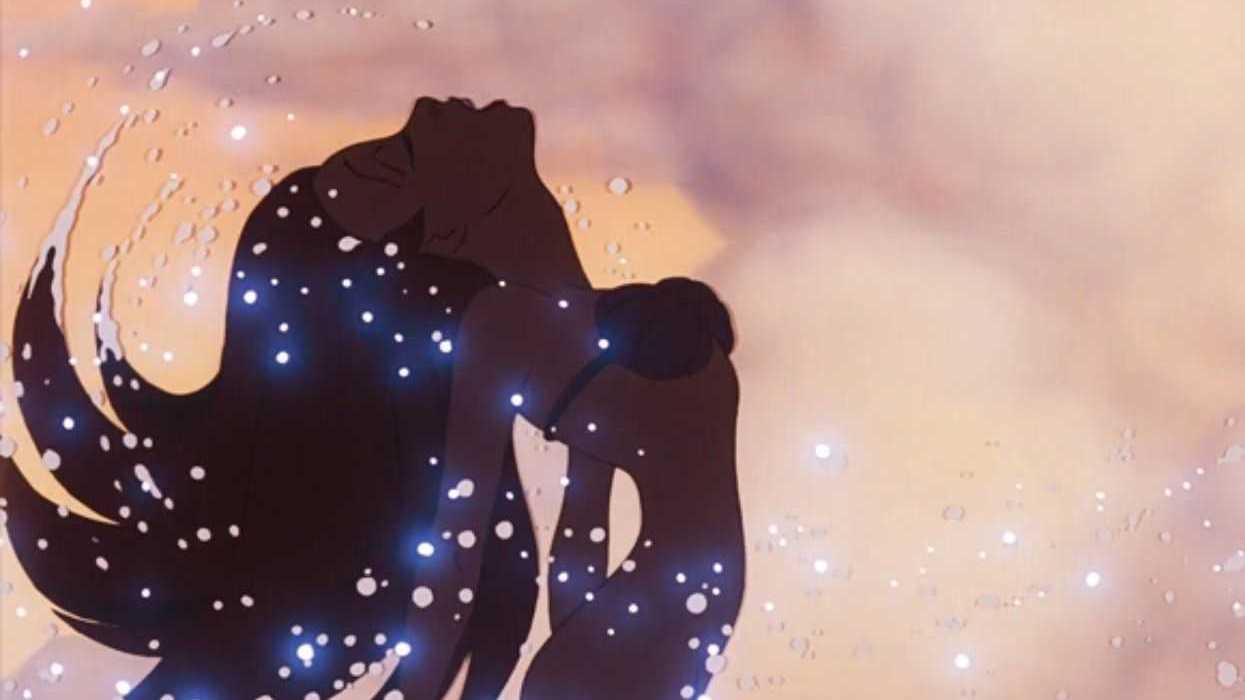
10. Ariel emerges above water (The Little Mermaid, 1989)
Written by: Ron Clements, John Musker | Directed by: Ron Clements, John Musker
Now, slow motion is a staple of live-action, but when used in animation, it can be even more evocative. This moment takes place after Ariel’s (voiced by Jodi Benson) transformation from a mermaid into a human. Suddenly out of breath with the loss of her aquatic status, Ariel hurries to the surface and emerges above it as a human. The slow motion allows the audience to see the moonlight catching each drop of water as she tosses her hair back with a gesture that has now become iconic and has been parodied relentlessly. The visual is obviously liberating but also regal.
- 3 Essential Elements of Capturing Dynamic Slow Motion Shots ›
- What This Supercut of Slow-Motion in Movies and TV Can Teach You ›
- 5 Things You Should and Shouldn't Do When Shooting Slow Motion ›
- Slow Motion Video 101: How to Set It, Light It, & Shoot It ›
- 5 Tips on Making Your Slow Motion Camera Moves Sexier and More Dynamic | No Film School ›