The Real African Language Behind Wakanda — And Why Black Panther Chose It
Behind Black Panther’s futuristic setting lies Xhosa, a real South African language that brought authenticity to Wakanda’s voice.
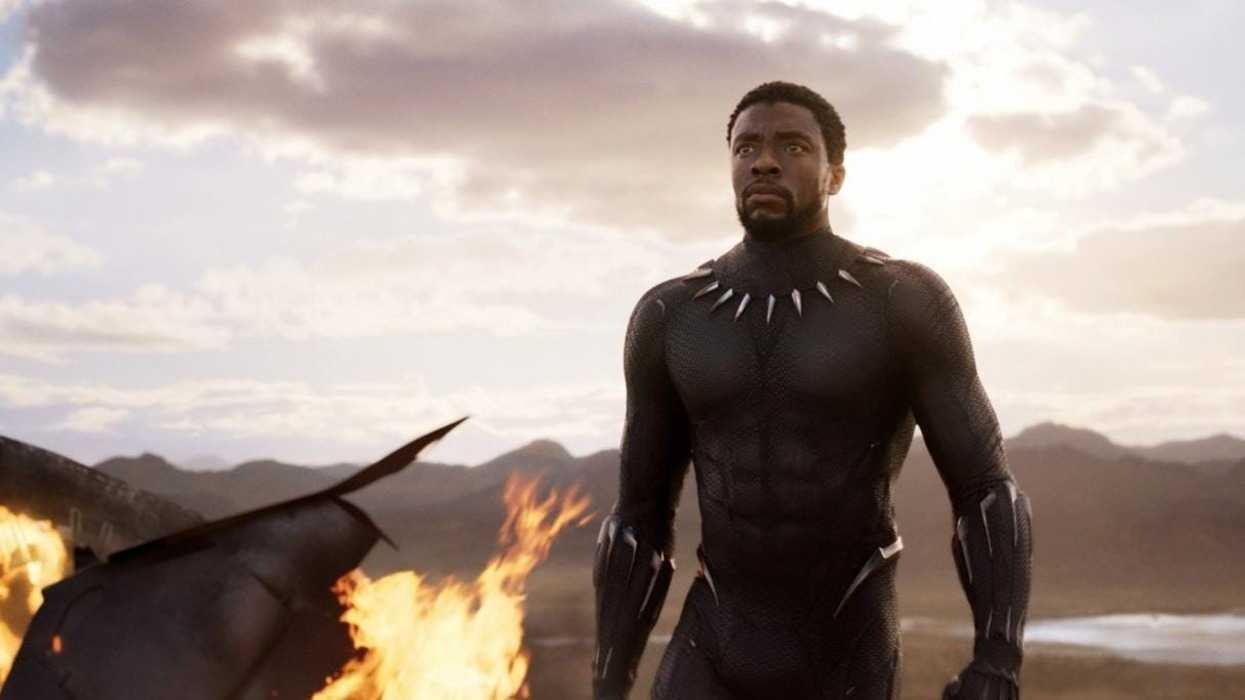
Black Panther (2018)
When Black Panther hit theaters in 2018, the excitement was palpable. Aside from the fact that it was the first big-budget superhero movie with an all-Black cast, its Afrofuturist appeal, stunning visuals, and the prospect of a technologically advanced African nation rooted in tradition made it a must-watch.
And the movie definitely didn’t disappoint. It exceeded all expectations. Critics praised how it veered away from the established tropes and how every aspect of the movie, be it costumes or set design, felt unique and authentic.
They also noticed the same sense of authenticity in the way its characters spoke. It felt like quite a novelty, especially in a Marvel film. Contrary to what many (especially non-African) people thought, the Wakandan language wasn’t made up. At least not from the ground up.
The language that became the base for the official Wakandan language was isiXhosa (pronounced ee-si-kho-sa), a Bantu language spoken widely in South Africa and Zimbabwe.
Using a regional African language in a mainstream Hollywood movie, a Marvel superhero movie no less, was a choice that raised many eyebrows. But ultimately, when it provided the movie with a rare cultural depth, it proved to be a phenomenal choice.
Choosing the Wakandan Voice
The Choice Between Fictional and Real
Creating a new fictional language, or “conlang”, for a project is nothing new. It’s been done, and done very effectively. Dothraki for Game of Thrones, Klingon for Star Trek, or a plethora of languages, such as Elvish, Black Speech, Khuzdul, and Sindarin for The Lord of the Rings, are a few examples. So, this was always an option, and it was considered for a while.
The counterargument for creating a new language from scratch was based on one of their important objectives: the story should feel as grounded in reality as it is fantastical.
A forged language always carries the risk of sounding artificial and creating a disconnect from reality. And more importantly, in the case of Black Panther, it could rip out the movie’s soul from its African core. So, the decision was made to find a voice for Wakanda that carried a deep-rooted history in its belly.
Why isiXhosa?
After considering many options, isiXhosa was chosen as the basis for the official Wakandan language. The biggest contributing factor in this decision was isiXhosa’s click consonants. Represented by the letters C, Q, and X, these unique phonetics were deemed familiar to many in Southern Africa but also intriguing for the global audience. Moreover, its melodic and percussive nature seemed to complement the idea of a proud and powerful nation of Wakanda.
Building the Wakandan Dialect
Making isiXhosa Wakandan
Although they sidetracked from creating a full-blown new language and decided to use isiXhosa instead, it still needed to have the Wakandan edge. So, linguist Sarah-Jane Leslie was brought in. Director Ryan Coogler and Leslie set their primary objective: Wakandan should work as both a nod to the past and a language of the future.
So, they set out to find flexible areas of isiXhosa that could be adapted for the futuristic world of Wakanda. The result was a bit older and more formal version of isiXhosa, which implied that the rare dialect was preserved in Wakanda for centuries.
Preparing to Speak
The language was chosen, and the dialect was formed; all that remained was to make sure the international cast could not only speak but also own the Wakandan language. The key to looking effortless is to put in a lot of effort. So, Marvel hired an on-set dialect coach who worked extensively with actors, such as Chadwick Boseman, John Kani, Lupita Nyong’o, Michael B. Jordan, and Letitia Wright. Their main focus—and headache—was mastering the tricky click sounds.
- YouTube
However, the end result was nothing short of perfect. The hard work was evident even in small things, such as Boseman’s T’Challa switching between English and Wakandan, or in the battle cries of the Dora Milaje. All this linguistic diligence paid off and made Black Panther more immersive for the audience.
The isiXhosa Effect
Aside from its cinematic excellence, Black Panther had another bright side to it, especially on the African mainland. Hearing isiXhosa spoken in a major Hollywood blockbuster was an overwhelming moment for the native speakers. It also created immense global curiosity about the language and the Xhosa culture. What stood out was the fact that a big international movie presented an African language, not as exotic, but as a staple of the most powerful and advanced nation in the world.
A Living Legacy
The decision to turn isiXhosa into Wakandan was impactful in many ways; the most important one was that it created a bridge between a powerful but fictitious African society and a real one. The movie also exemplified the use of language in cinematic world-building, highlighting that fantasy and authenticity aren’t mutually exclusive.
Wakanda may be fictional, but isiXhosa is not. And in that overlap, the movie gave us a lesson worth remembering: a nation’s soul speaks loudest in its own language.
- Watch: These BTS Videos Will Get You Even More Stoked to See 'Black Panther' ›
- Why Ryan Coogler Wants to Focus on Original Ideas Right Now | No ... ›
- Why Was This Heartfelt Scene Cut from 'Black Panther: Wakanda ... ›
- How 'Black Panther' Composer Ludwig Göransson Worked with ... ›
- How the Costumes of 'Black Panther' Pulled from Reality to Elevate ... ›
- What You Can Learn From The 'Black Panther' Script PDF | No Film ... ›
- Black-Panther-Wakanda-Forever-Read-The-Screenplay.pdf ›