Category Fraud Explained: How Studios Game Awards Categories
The Oscar game everyone plays.
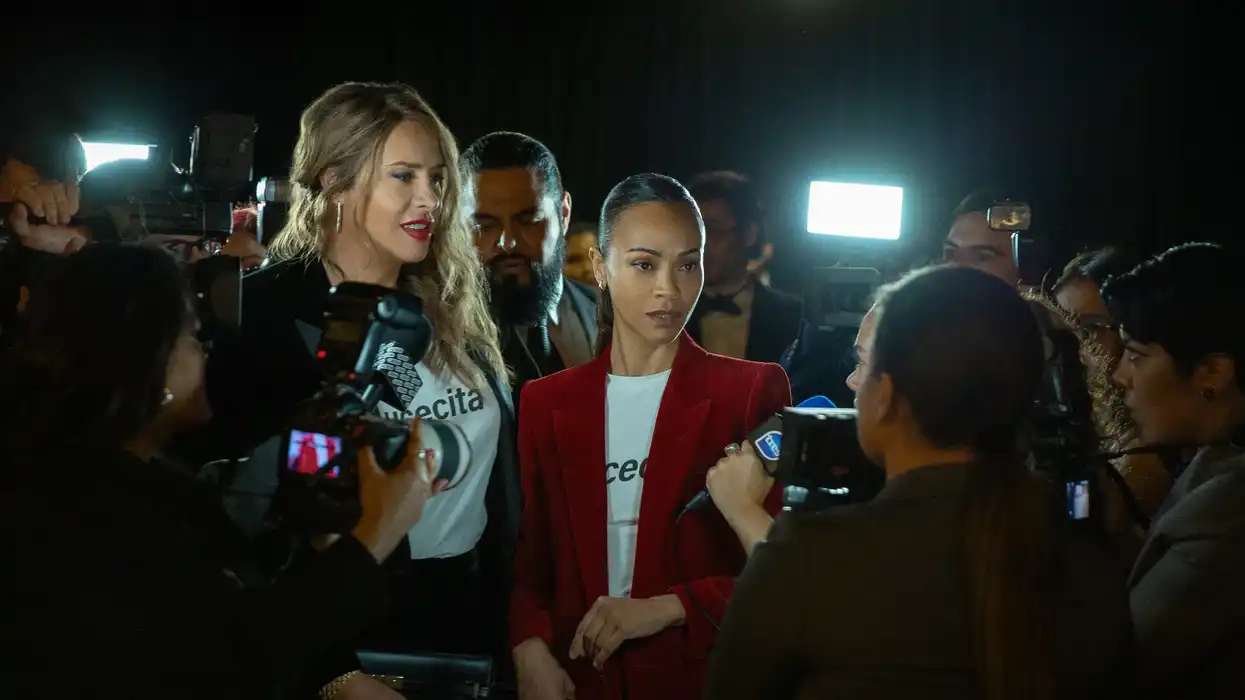
Emilia Pérez
What's awards season without a little controversy?
The expectation of off-screen drama seems as assured these days as the beautiful gowns and wooden on-stage delivery of teleprompter speeches. I love it, and I'm always watching.
As we approach January's Oscar noms, we're thinking about all the kerfuffles from this year's ceremony and the proliferation of what's been termed "category fraud" from those in power. The act is as old as the industry, but shrewd fans have started to see the studio machinations from a mile away.
- YouTube www.youtube.com
What Is Category Fraud?
We're in the thick of awards campaigning right now, which tends to coincide with the start of fall as studios start to push their talent in front of press and at events. We might see movies like Sinners get rereleases so they're fresh in viewers' minds, for example. Industry insiders will start to see a ton of FYC emails and mailers roll in.
Everyone wants to get nominated, of course. But the acting categories, especially, are incredibly narrow, with only five people named in each.
To give some talent a better chance at a coveted spot, some studios will position their actors in categories that don't quite fit—maybe someone everyone sees is clearly a main character is slotted into a supporting actor role, for example.
The practice, as I said, is not new but has gotten so bad and so overt that The Ringer called this past year's Academy Awards "the fraudiest awards season in Oscar history."
Examples from 2025
One such example from earlier this year was for the first Wicked film. At the Golden Globes, Cynthia Erivo got a Lead Actress in a Musical/Comedy nod, while co-star Ariana Grande got downgraded to the supporting actress category. Wicked is a clear two-hander, so what gives?
Then Grande lost anyway to Zoe Saldaña for Emilia Pérez, in another obvious case of category fraud for an actor who should have been in the lead category. Saldaña had more screen time than Karla Sofía Gascón, who played the titular role and competed in the lead actress category.
Variety also points out that Kieran Culkin appeared in A Real Pain for only four minutes less than Jesse Eisenberg. Another two-hander. Culkin went on to win the Oscar.
You can see how shuffling talent around this leads to a cascade in which true supporting actors get butted out.
Is it really a big deal? Well, it's not actual fraud, but it does color the win and lead to some resentment.
How Studios Do This
Studios collaborate with campaigners, publicists, and talent managers to determine the "safest" placement. According to Variety, this often means avoiding vote-splitting scenarios where two performers from the same film could cancel each other out.
The BBC notes that while this practice has existed for decades, it's become more visible thanks to social media and the growth of online awards punditry.
Why It Matters
When Grande, Saldaña, and Culkin took supporting slots, they squeezed out actors like Isabella Rossellini in Conclave and Yura Borisov in Anora. For emerging actors without studio muscle behind them, that nomination could be career-defining, but they don't get an equal shot.
The Academy does occasionally push back.
When Kate Winslet campaigned as a supporting actress for The Reader in 2009, voters nominated her for lead actress instead and ignored her other film that year entirely (Revolutionary Road). She won anyway. But that's the exception, not the rule.
Just look at the recent Golden Globes nominations. Not one musical is nominated in the musical/comedy category, one that many are pointing to as something of a joke this year.
Let us know what you think.
- Read and Download the 2026 Oscar Screenplays | No Film School ›
- 10 Categories That Should Be Added to the Oscars ›
- Honorary Oscars Explained: Why Hollywood’s Biggest Icons Receive Them ›
- Golden Globes vs. Oscars: 5 Surprising Differences You Might Not ... ›
- Who Won the 2026 Golden Globes? ›