The Only Movie Charlie Chaplin Ever Won an Oscar for Premiered Today
Have you seen Limelight?
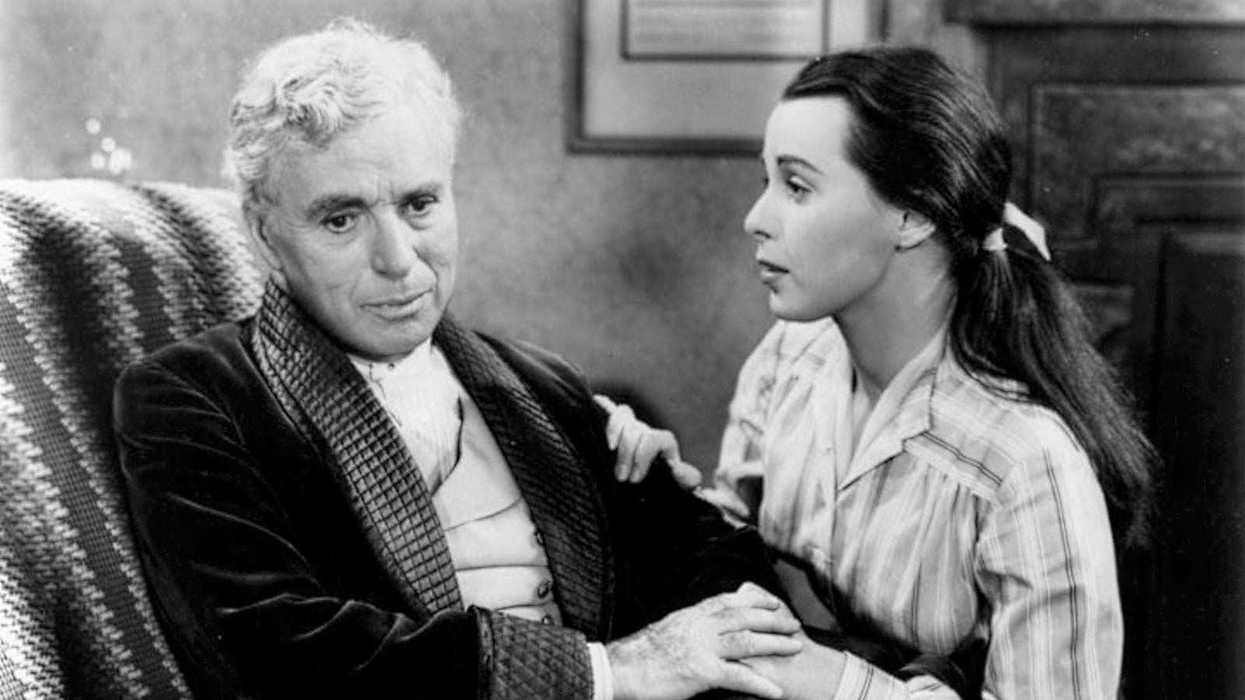
Limelight
Charlie Chaplin's Limelight opened on October 23, 1952, launching what would become one of the strangest Oscar stories in Academy history.
The film eventually became the only one for which Chaplin won a competitive Academy Award, but that wouldn't happen for another 20 years.
Limelight came late in Chaplin's career, well after he'd gained fame for playing the Tramp in early silent films. He was always political (see The Great Dictator), but after World War II and amid a rise of conservatism and the Red Scare, his liberal tendencies came under fire.
By 1947, his film Monsieur Verdoux, which presented a nuanced portrayal of a murderer, had already been attacked as anti-American, and the American Legion was actively campaigning against him. So years later, when he decided to make Limelight, he retreated into more personal storytelling.
- YouTube www.youtube.com
Limelight Was a Personal Story for Chaplin
If you've seen the film, you know how closely and obviously it mirrors his real life. The film follows an aging stage performer, Calvero, an alcoholic, who rescues a young ballerina from suicide and finds renewed purpose in life.
Chaplin, who started in British music halls, recreated the stages of his past. The story is melancholic and beautiful, and even features another silent movie star, Buster Keaton. It was the only time they performed together in a film.
He spent two years writing the script and even prepared a 100,000-word novel called Footlights as backstory for the characters. It was never published.
Chaplin's Troubles with Limelight Begin
In September 1952, Chaplin made a planned voyage to England, planning to be away for a few months to promote the film abroad.
But when he was away, U.S. government officials launched an investigation into Chaplin's associations with the Communist Party, effectively banning him from the country.
"There's a story that they asked [producer] Samuel Goldwyn if Charlie was a communist. And Goldwyn said, 'Charlie a communist? He is the only true capitalist I know,'" actor Norman Lloyd said (via The Los Angeles Times).
The movie received positive reviews when it opened and did solid business during its run and reissue in New York. But protests from the American Legion led Charles Skouras, president of Fox West Coast Theatres, to block its release in Los Angeles.
Without a Los Angeles screening, Limelight wasn't eligible for the 1952 Academy Awards.
- YouTube www.youtube.com
Limelight Finally Premieres
Limelight finally opened in Los Angeles in 1972. Weirdly, Academy rules at the time allowed the film to be eligible, despite being 20 years old.
The Academy nominated Chaplin, Ray Rasch, and Larry Russell for Best Original Dramatic Score, and they won.
The timing coincided with a broader reconciliation. In 1972, Chaplin returned to American soil at the 44th Oscars to receive a lifetime achievement award after 20 years in self-imposed exile in Switzerland. The 82-year-old received a 12-minute standing ovation.
So Limelight won Chaplin his only competitive Oscar—not in 1953 when it should have been eligible, but in 1973 when the Academy was actively trying to make amends. Chaplin had received two Honorary Academy Awards over his career, but it was his sole competitive win.
The film has since been recognized as one of Chaplin's most personal works. But its journey to Oscar recognition remains one of Hollywood's stranger footnotes.
- 5 Action Films with Almost No Dialogue—And Why They Work ›
- What Are the Best Silent Films of All Time? | No Film School ›
- How to Get Charlie Chaplin Look on a Digital Camera | No Film School ›
- How Charlie Chaplin Breathed New Life into Cinema | No Film School ›
- 10 Things Directors Wish They Never Did in Their Own Movies ›
- Chaplin's 'City Lights' Holds the Record for Most Retakes ›