8 Creepiest Stalker Films That Will Keep You Looking Over Your Shoulder
These are films that are intense explorations of mankind’s voyeuristic nature.
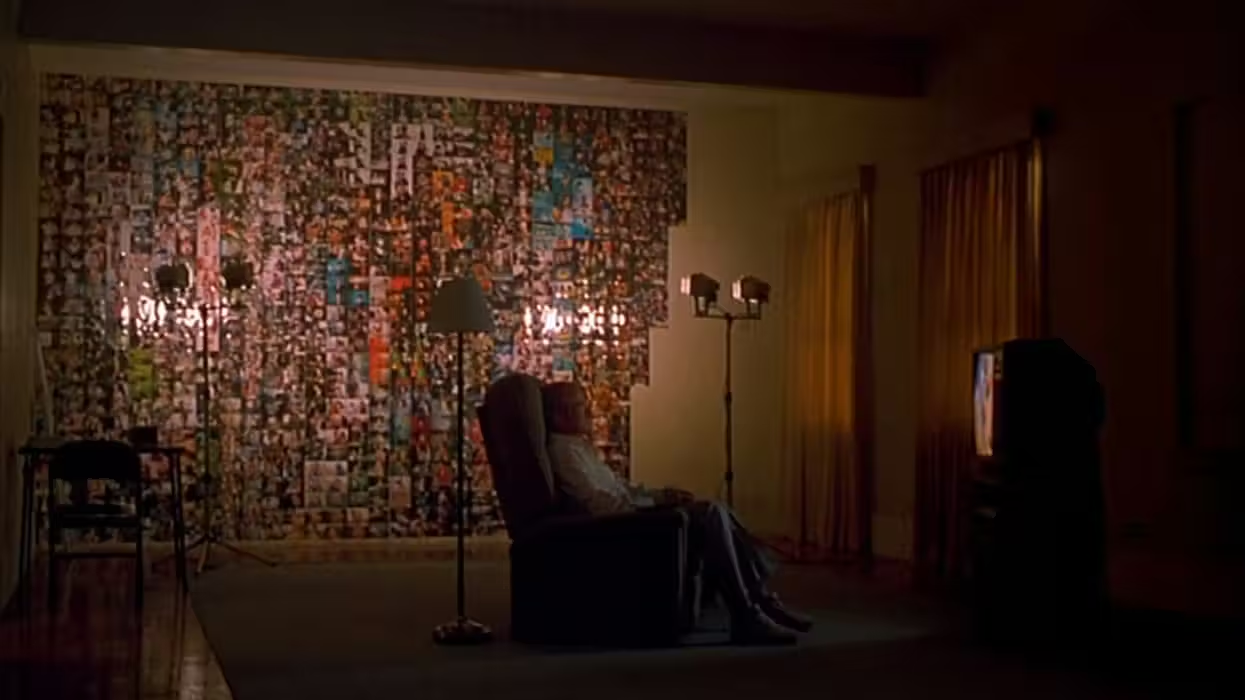
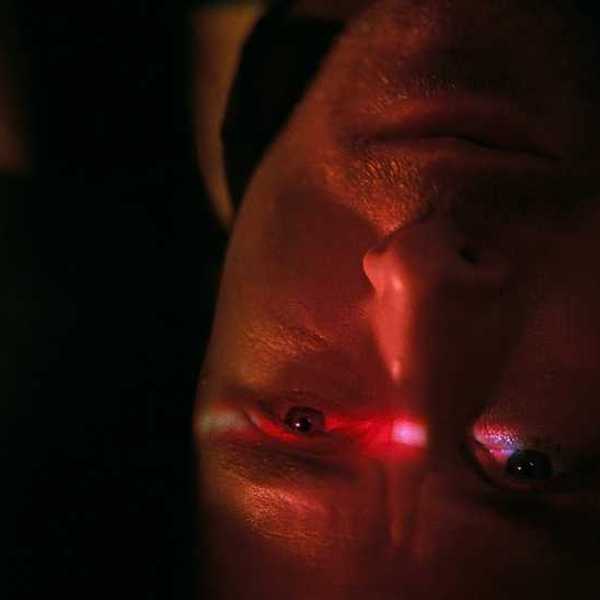
One Hour Photo (2002)
More than films about monsters and ghosts, stalker movies have to be some of the scariest movies out there. When I was a little girl and used to ask my mother to check under the bed for monsters as I clung to my blanket like a shield, my mom would remind me that there’s no bigger monster than a human being. So I mustn't worry about ghosts, demons, or monsters.
Today, as I have lived my fair share of life on this Earth, I hate to admit that she is indeed right.
For those who don’t believe me, here are some of the creepiest stalker films that are sure to change your mind. You have no idea how addictive and fatal voyeurism can be! And no, it’s not exclusive to serial killers!
Creepiest Stalker Movies Ever
1. Peeping Tom (1960)
The pioneer of the genre, Peeping Tom, was vehemently criticized for its gore and intense exploration of the voyeuristic, stalker mentality. It became such a huge controversy that director Michael Powell had to retire as a filmmaker, as the film industry had literally banned him. We seriously owe an apology to Powell for shunning a masterpiece, only to call it the best of its kind, a few decades later. The narrative centers on a ruthless serial killer (and self-acclaimed filmmaker), Mark Lewis (Karlheinz Böhm), who records the dying moments of his victims (who are females) as he tortures them to death, to keep as a souvenir.
Peeping Tom features a stalker and serial killer with a unique backstory— a mentally disturbed man who was a literal “guinea pig” to his scientist father growing up. The biggest highlight of the film, though, is how Powell turns the camera into an instrument for torture—both for Mark’s victims and the viewers. The victims are scared for their lives, and you, as a viewer, are now scared because Powell will make you witness everything in vivid detail from start to end, almost turning you into a peeping Tom.
2. Alone With Her (2007)
The premise of the story is every woman’s nightmare. Starring Colin Hanks and Mexican actor Ana Claudia Talancón, Eric Nicholas’ Alone With Her, follows a young man, Doug, who’s so obsessed with a woman named Amy that he installs cameras in every corner of her house…Yes, including the bathroom, just so he could have intimate details about her life, with the hopes of using the information to come close to her. Nicholas mirrors Doug’s obsessive gaze, relying entirely on hidden surveillance cameras to become Doug’s POV, making viewers complicit in the invasion of Amy’s privacy. Alone With Her echoes Peeping Tom by depriving the audience of an omniscient perspective, allowing viewers to see the victim through the eyes of the perpetrators
3. One Hour Photo (2002)
Voyeurism is in our genes. It’s the same reason why we peek into the phone of a complete stranger sitting next to us during our morning commute. (Now, don’t lie and say that you’ve never done that!)
So, can we really blame Seymour “Sy” Parrish, a lonely photo technician in a photo company, who’s stuck working a mundane job of developing photos, when he gets attached to a particular family whose photos he’s been developing for almost a decade now? To escape his loneliness, Sy begins to imagine himself as a part of the Yorkins family, idolizing their familial bliss and affluence; watching over them (a bit too much) as if he were one of them.
His obsession grows to an extent where he even starts taking copies of the Yorkins' family photos back to his apartment to make a collage out of them on his wall, like a close relative would do. But when Sy learns about the affair of the man of the family, he decides to punish him for jeopardising his family. Mark Romanek’s One Hour Photo feels like a clinical study of loneliness and the search for connection. It is one of those rare stalker movies that actually takes you inside the head of the stalker. Special mention to Robin Williams, whose seamless balance between vulnerability and menace is something that will stay with you long after the credits roll.
4. Cape Fear (1991)
Starring Robert De Niro, Martin Scorsese's Cape Fear follows Max Cady, a convicted sex offender who blames his attorney for his imprisonment. After spending 14 years in prison, Cady comes out to avenge the wrong done to him. De Niro plays Cady with a sinister calm against Scorsese’s haunting, almost hyper-real visual world created with chiaroscuro contrasts and shadows, almost leaning into Gothic horror. The intense tracking shots, frequent use of close-ups, and the meticulous use of visual motifs, such as the water imagery, build anticipation in a way that you might feel like it’s you who’s being stalked.
5. The Hidden Face (2011)
Andrés Baiz’s The Hidden Face revolves around a jealous and slightly insecure Belén, who decides to test her boyfriend by faking an irreversible breakup and hides in a secret room with one-way mirrors, in their own house, to see his reaction, only to get trapped inside, after losing the key. Meanwhile, her boyfriend Adrian has found a new someone, Fabiana, who moves into the same house, now that Belén is gone. Eventually, Fabiana discovers the key to the hidden room and realizes that Belén is trapped inside. Baiz’s film is marked by atmospheric tension. Through the extensive use of confined spaces, claustrophobic framing, shadows, and subdued lighting, each frame reflects both psychological and physical captivity. This non-linear stalker movie slightly leans into the Rashomon effect, revealing events from different perspectives to piece together a bigger story.
6. When A Stranger Calls (1979)
Simon West’s When A Stranger Calls will make you question the safety of your own home. The narrative follows a high-school student who gets hired to look after two mildly sick kids on their parents' date night. The night is peaceful after the kids go off to sleep, until the babysitter begins getting calls from a stranger, who keeps asking the same question over and over again, “Have you checked the children?” At first, she dismisses the calls as pranks, but when the creepy caller doesn’t stop calling, she calls the police for help, only to realize that the perpetrator is inside the house and has already killed the two children in their sleep. Although the killer is arrested the very night and put behind bars, little does she know that the horror will come looking for her, seven years later.
When A Stranger Calls emphasizes the cyclical nature of crime, highlighting how some problems are better solved when nipped right in the bud.
7. Compliance (2012)
Craig Zobel’s Compliance reimagines voyeurism in the most spine-chilling way. On a busy Friday, a fast-food restaurant gets a call from a supposed Officer Daniels, who asks the manager to conduct an investigation on one of their female servers, claiming that she has stolen from a customer. Soon, the orders from the caller escalate into harassment and sexual abuse, turning the night into a degrading journey of humiliation, manipulation, and degradation.
The novelty of this stalker movie is that it explores voyeurism through audio, as the mysterious caller tricks the gullible workers of the restaurant into doing the unthinkable with one of their own and forces them to narrate the horrors to him over the phone. By the time they realize that they were being ingeniously scammed, it is far too late. Zobel relies on naturalistic cinematography and sticks to a provocative style of narration that avoids sensationalism to reflect human behavior in the face of authority pressures. Also, it lightly underscores the common fear associated with police and authorities, which further supports the unease of the narrative.
8. Red Road (2006)
Andrea Arnold’s Red Road is not your typical stalker movie. The narrative follows Jackie, a CCTV operator, whose days go by in regular surveillance, but one day, she sees a familiar male face on her monitor, which brings back the demons of the past. Tempted, she begins tailing the man until she is finally ready to confront him. The narrative is character-driven, relying on lingering close-ups to communicate Jackie’s vulnerability and claustrophobia. The grainy footage of the CCTV enhances the raw, naturalistic visual style to interrogate themes of grief, control, and trauma, against acts of voyeurism.
Which of the films in the list have you already watched? Let us know your favorite.