The Meaning Behind the Devil’s Monologue in ‘The Devil’s Advocate’
What does the Devil think of God?
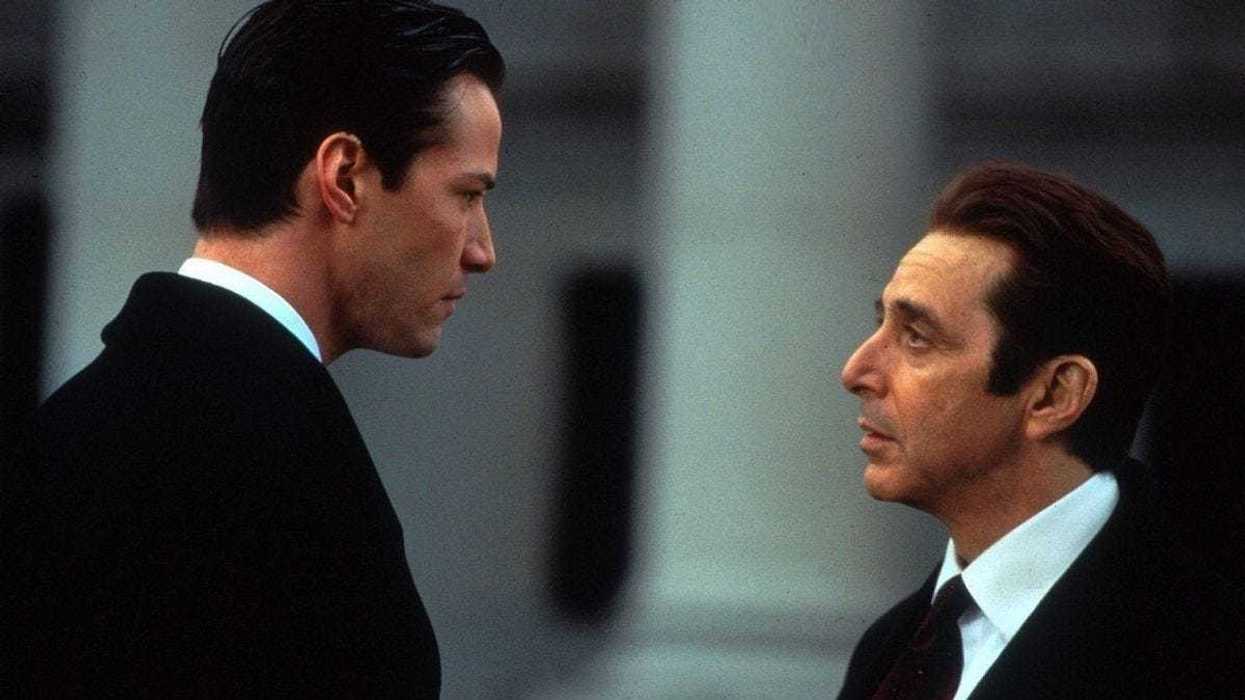
'The Devil's Advocate'
The first time I saw The Devil's Advocate, I was scared. For a child, learning that every temptation around me is a trap set by the Devil can be unnerving.
To tell you the truth, the effects were quite similar when I rewatched it as an adult—not fear, per se, but a weird anxiety that refuses to settle.
While it’s been a while since I’ve watched the movie, two sequences stayed with me from the very first time.
One of them, of course, is the last scene, where—after the story has reset and Kevin Lomax (Keanu Reeves) withdraws from a case but agrees to a reporter's offer of a high-profile interview—the reporter transforms into John Milton (Al Pacino) the moment Kevin walks away. Milton breaks the fourth wall, grins at the camera, and delivers his parting line: "Vanity. Definitely my favorite sin."
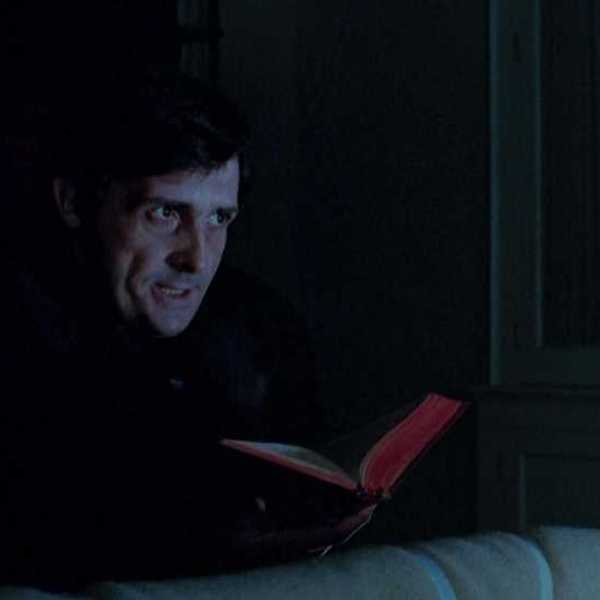
The other obviously has to be the Devil's monologue about God.
In this article, let's analyze this legendary villain's monologue up close.
To Give You Some Context
Taylor Hackford's The Devil's Advocate follows a hotshot defense attorney from Florida, Kevin, whose life changes forever after receiving a job offer from a fancy, high-end law firm in New York.
Lomax has a reputation for being invincible in court. He attracts the attention of the New York law firm after he secures an acquittal for a guilty client, despite knowing he is guilty.
Soon after Lomax's success in the case, he is headhunted by the enigmatic head of the New York law firm, John Milton, who offers him a sparkly job with fancy perks. Despite his mother's apprehensions, Lomax takes the new job and moves to Manhattan with his wife, Mary Ann, to begin the life of his dreams in his brand-new, lavish apartment, presented by his new employers.
Kevin is an asset to his company; however, his life changes drastically. He finds himself swamped by work, often suffocated by ethical dilemmas that leave him questioning his ideals. But his thirst for winning doesn’t let him stop.
Meanwhile, his wife, Mary Ann, is tormented by fearful hallucinations and visions. Before long, she is convinced that something sinister has taken over their lives. While she tries to reach out to Kevin over and over again, he is too busy, obsessed with his work, refusing to pay any attention to her. In his eyes, the lifestyle change is causing her to lose her mind. Kevin finally admits Mary Ann to a mental hospital after she claims that his boss has assaulted her, even though John was with him at the court the entire afternoon.
Even under treatment, Mary Ann’s condition only deteriorates before she finally commits suicide, unable to bear her suffering any longer.
Eventually, Kevin discovers his boss' truth: John Milton is no ordinary man nor just a hotshot attorney; he is Satan himself, and he is his father.
The Monologue
The Devil’s monologue is Satan’s perspective of God. To him, God is nothing but a prankster. He is a sadist who makes mankind suffer just because it entertains him. Otherwise, why would he design the world as such a paradox?
God has created humans with instincts; however, He limits every instinct by His own rules. He leaves humans to deal with their misery while expecting to be worshipped.
Satan, on the other hand, is the polar opposite of God. Unlike God, he lives within us, paying close attention to our innermost desires. He gives mankind what they want without any judgment. As ironic as it may sound, Pacino’s Milton, as the Devil, claims to be a bigger fan of man than God ever will be, which makes him a humanist, for all we know.
But then comes a line that is definitely food for thought: “Who in their right mind, Kevin, could possibly deny the 20th century was entirely mine?”
The Bible talks about how the Devil is preparing his own army to fight God to usurp the Kingdom of Heaven. The Hindu scripture, which divides time into four cosmic eras, says that the last era (precisely the one we are currently living in) is destined to be ruled by the negative cosmic forces until the balance is restored.
Potato, po-tah-to, same thing, isn’t it?
The beauty of the Devil’s monologue lies in the fact that we’ve all misunderstood the ultimate cosmic power in the ways discussed by the Devil. During difficult times, we often tend to feel lonely and lose our faith. We give in to our temptations and then blame God for what happens to us. Since this emotion is so universal, it hits the mark every single time.
But, hey, do you agree with the Devil? Let us know in the comments below!
- What Are the Best Villain Monologues? ›
- This Iconic Monologue From 'To Kill a Mockingbird' Shook the Courtroom ›
- Breaking Down Red’s Iconic “Institutionalized” Monologue in ‘The Shawshank Redemption’ ›
- Did You Know Tom Cruise Actually Wrote That 'Magnolia' Monologue? ›
- What Is a Monologue? Types with Definitions and Examples ›
- The 25 Best Movie Monologues ›