How the First Trailer Sold ‘The Matrix’ Without Giving Anything Away
The film’s first theatrical trailer withheld explanations to spark curiosity and protect the story’s core twist.
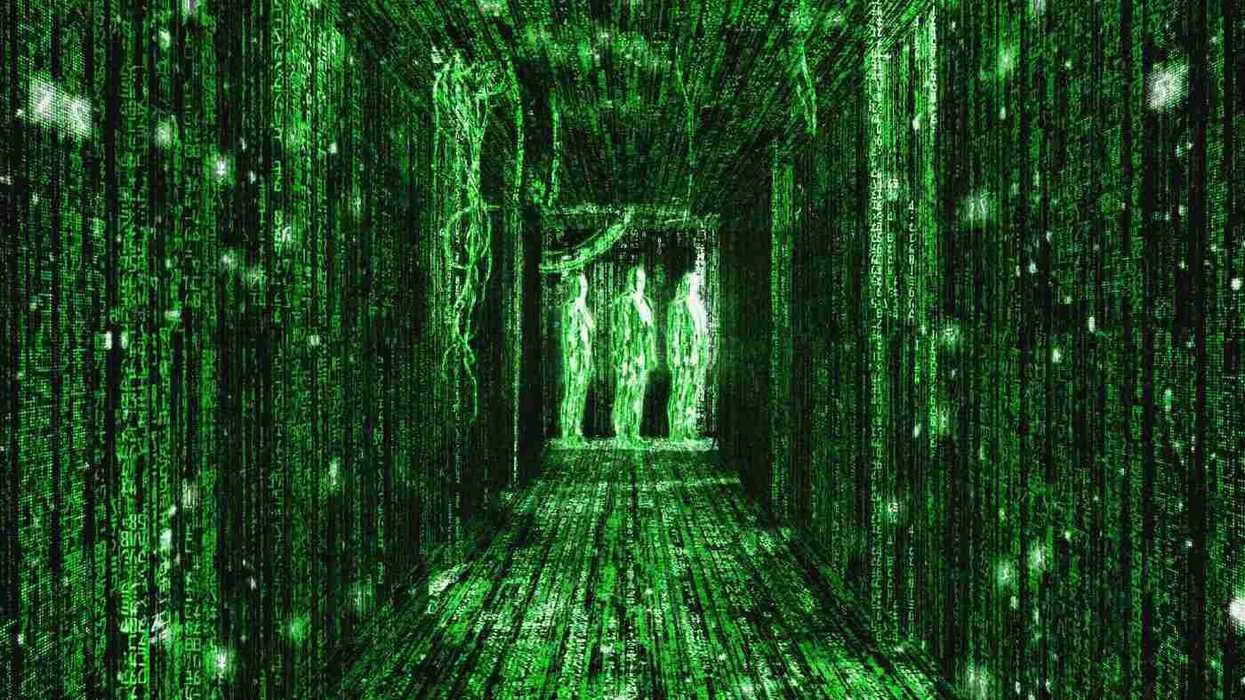
The Matrix (1999)
Picture this: it’s 1998, you are in a dark theater, probably waiting for Rush Hour or You’ve Got Mail to start, and a trailer comes on screen. It’s kinda green, jarring, and quite hyperstylized. What you are seeing is definitely interesting, but you find yourself thinking, “So confusing!”
Some guy named Neo (Keanu Reeves) is passing through neon-lit clubs, some sort of agents chasing him, suddenly he is doing Kung Fu, and what’s that now? Stopping bullets in the air? Dodging bullets with a weird backward bend?
Then the voice-over says, “Unfortunately, no one can be told what the Matrix is. You have to see it for yourself.” And then this, the on-screen text: www.whatisthematrix.com
The trailer is over, but you have zero clue as to what it was all about. And yet, you know you wanna find out.
And that’s The Matrix’s innovative marketing strategy for you. It sold a feeling of mystifying cool instead of the summary of the plot, and made sure its revolutionary twist remained intact until you watched it.
Why the Trailer Reveals So Little
The Wachowskis wanted to lure audiences into theaters with glimpses of the cool visuals, while keeping the premise a total mystery. It was meant to be their big reveal. Imagine if the trailer had revealed the simulation concept; most of the film’s tension and thematic weight would have been weakened. The audience had to remain as confused as Neo. They had to discover the reality of the Matrix at Neo’s pace. That’s why the rules of the world were not divulged in the trailer. If the mystery intrigued you, you bought a ticket to solve it.
The Element of Mystery in the Marketing Strategy
The key component of the marketing was questions instead of answers; intrigue instead of clarity. The studio executives were sure that strange visuals, never-before-seen choreography, and baffling dialogue snippets would be enough to make people curious. So, they didn’t bother to make it easier to understand by explaining the story. They focused on mood, tone, and texture.
“What is the Matrix?”
The famous line “What is the Matrix?” became the campaign’s catchphrase, and it bombarded the audience. It implied that the film was about an idea they were not supposed to understand just yet. They would have to watch the film and solve the puzzle to understand. And just like that, it became a treasure hunt. The marketing shifted the trajectory of pre-release hype from knowing things to wanting things.
Audience Expectations and the Box Office Ripple Effect
The Curiosity Loop
The trailer had a significant impact on the audience. Many early internet forums sprang up where people guessed and discussed it. This was pretty much the organic reach the makers intended. Fans who loved genre movies shared VHS recordings and QuickTime files, trying to analyze every frame of the trailer. In fact, the absence of the explanation fueled early engagement. This trend was especially rife among the young audience who took particular interest in decoding things.
The Power of “Not” Knowing
The trailer offered (less than) the bare minimum in terms of plot. So, there was immense curiosity but no finite ground to build significant expectations. As a result, the actual film exceedingly surpassed whatever viewers were expecting, further boosting the word-of-mouth campaign. People who saw (and understood) the film immediately became evangelists. When asked what it was all about, their usual answer was “you have to see it.” Like a chain reaction, the curiosity went on spreading and increased the footfall, making The Matrix the 4th largest film of the year.
Conclusion
This trailer is a good example of using reverse psychology as a marketing strategy. By revealing absolutely nothing essential, it increased curiosity and turned it into a promotional tool. The secret of the Matrix was the strongest weapon in the movie’s arsenal, and it was used effectively to give a genuine shock that could only be experienced in cinema halls.
This proves that sometimes silence is the most engaging answer.