How to Write a Cold Open for Your TV Pilot
We go over the best practices and look at some examples of the best cold opens of all time.
'The Office'
How can you hook the reader and set up the world all at once?
It's called a cold open. Pulling it off is a surefire way to get a viewer hooked from the start, and to communicate a lot of the tone/story without too much legwork.
It's a lot to accomplish in a really short amount of time. So it's not easy.
But today we're going to dig deep into this concept to get at what works and why.
Today, we’re going to answer all your questions and look at some examples to help you get your pilot started.
Let’s get started!
- YouTube www.youtube.com
What is a Cold Open?
The strict definition is the first few pages of a pilot script. It’s a scene that teases what is to come or is emblematic of the tone of the show to follow.
Why is it "cold"? Because there is nothing setting you up. You come into this first scene 'cold'. No credits. No title screen.
Sometimes a cold open is also called a “teaser.”
It can set up a problem or a theme for the episode.
These TV leadoff hitters occur in both drama and comedy pilots. You're probably most familiar with the idea as you've experienced it in Saturday Night Live. In many instances, the SNL opening sketch is the one people talk about the most. It always uses the line "Live from New York, it's Saturday Night..." as the punchline.
Just when the joke has reached its pinnacle, they break that fourth wall and let you know you're watching the standby live sketch show.
- YouTube www.youtube.com
How to Write a Cold Open
When you’re writing a pilot, you want to dedicate the first few pages to setting up the world and getting the reader hooked.
Ideally, this initial section is around five pages long if you’re writing a drama, and only about 1.5 pages if you’re writing a comedy.
There are exceptions to every rule, but those are some general guidelines.
There are three kinds of cold openings. There’s the stand-alone, which won’t have anything to do with the episode but sets up the characters and world. Then there is a version that actually sets up the gist of the episode that follows.
And lastly, there’s a teaser version that actually takes events that happen later in the episode and puts them right up front, so it gets the reader/viewer excited to figure out who our characters are and how they got in that predicament.
The good old "you're probably wondering how I got here..."
Once you choose which kind you’re going to write, you need to answer three questions.
- Who’s in the scene?
- What do they want?
- Why do we care if they get it or not?
More Cold Open Advice
These questions should help you outline the scene at hand, and then also help you figure out how your opening attaches to the rest of the episode.
The reason these starters stand out is that they are short, exciting, and often funny gut-punches. They put us in exactly the right place to want to read/watch more.
They’re the best chance you have to impress someone early on.
And that’s not just about the reading for your script.
The reason all television shows have one is to make sure you don’t change the channel (or the website).
They’re a storied and vital part of TV writing that sets it apart from writing movies.
Sure, each medium relies on powerful opening scenes, but television is where you really need to prove yourself right away.
Ways To Frame Your Cold Open
There are no rules in screenwriting, but I wanted to look at a few ways you can actually frame your cold opens. These are just ideas of how to get it in the first scene of your pilot that other people have used in successful TV shows, and that I like to experiment with as well.
- The Flash-Forward (The "How Did I Get Here?"): Start at an absolute crisis point—usually near the climax of the pilot. You have characters you meet in action, and then you cut back to figure out how they got here.
- The Tone Poem / High-Concept Introduction: Use an isolated, highly cinematic sequence to establish the world's rules or a central mystery. It should feel elegant and probably only works in a drama.
- The Character Thesis: Build a self-contained sequence that perfectly illustrates exactly who your protagonist is, what their flaw is, and how they operate under pressure. This works well in a comedy because so many funny things can go wrong. And it gives the viewer a front-row seat to the character's specific talent or chaos before the title card hits.
Golden Rules Of Your Pilot's Opening
There are a few rules I like to follow when writing my own cold opens. They're more just guidelines that won't work all the time, but give me some direction while I am trying to set things up.
- Arrive Late, Leave Early: Start the scene at the absolute last possible second of safety, and cut to black the moment the emotional or narrative trap snaps shut.
- Establish the Budget and Scope: Don't write a cold open featuring a $20 million helicopter chase if the rest of your pilot is a contained family drama. Your open must accurately sample the show’s actual DNA.
- The "Drop the Mic" Button: The final line of dialogue or visual image before the title card lands needs to function like a punchline or a cliffhanger. It is the punctuation mark that forces the viewer to stay through the commercial break or the streaming countdown.
Cold Open Examples in Dramas
In a drama, the cold open functions to set us up for the central conflict of the episode. In a procedural like a CSI, it's usually the crime at hand, and then we unpack who did it.
For a family drama like Gilmore Girls, it might introduce us to the characters and their specific dynamic: a mother and a daughter who are both young and have fun together.
And in a prestige show, it may set up the whole narrative conflict of the entire series, like in Breaking Bad.
This opening is a scene taken directly from the end of the pilot. It serves to directly engage the audience and raise a lot of questions to get them reading.
This worked well for Vince Gilligan. It got the series made!
But as good as this one is, I’d wouldn’t recommend trying to copy it. For starters, anyone reading your version would assume it’s a knockoff, and so many people are writing like this now that it could get lost in the shuffle.
If you want to stand out, I suggest you learn from one of these other drama examples.
When Game of Thrones debuted, the show had a lot to set up. The pilot carried an exposition burden heavier than Ned Stark's broadsword, introducing us to about 2 billion characters and an entire world we had never seen before.
So what could they get across prior to the credits?
Basically, the Game of Thrones cold open sets up the series problem. The Wight Walkers are back, and they’re going to kill all the humans.
And if you think about the crazy winding roads the many seasons of the show have taken us down, that Wight Walker thing is still the big bad looming.
It gave us an ominous feeling right away and accentuated all the other tension throughout the pilot.
- YouTube www.youtube.com
Since both Breaking Bad and Game of Thrones are more genre-driven, their openings feed into what we’d expect from crime shows and fantasy.
But what if you’re writing a straightforward network drama?
This Is Us burst onto the scene and used its first moments to trick us. We meet a bunch of people who share the same birthday, and we think the show will be an ensemble about this diverse group.
But actually, it’s about one family.
This is a genius way to use a teaser to subvert our expectations, as well as set up what the series will be about. A group of people taking care of each other, even as they make mistakes.
This sets up the Pearsons perfectly.
- YouTube www.youtube.com
Cold Open Examples in Comedy
If you're writing a comedy pilot, it's so important to have a cold open that not only sets up the characters of the series, but it also has to be very funny!
This is your introduction to the world; you want people laughing right away. And you want them to understand the tone, too. Is this a dark comedy, cringe comedy, or is it romantic? Get it all out there and make sure we're engaging on a level that is indicative of how we'll view the show moving forward.
In pilots, I always pick the cold open of Cheers, which sets up the show wonderfully. We have the tone, the lead character, the setting, and an expectation of all the laughs to come.
- YouTube www.youtube.com
One of the best parts of any sitcom is these first precious moments. While we’ve mostly looked at how openers work in pilots, but I want to mix it up for the comedy section.
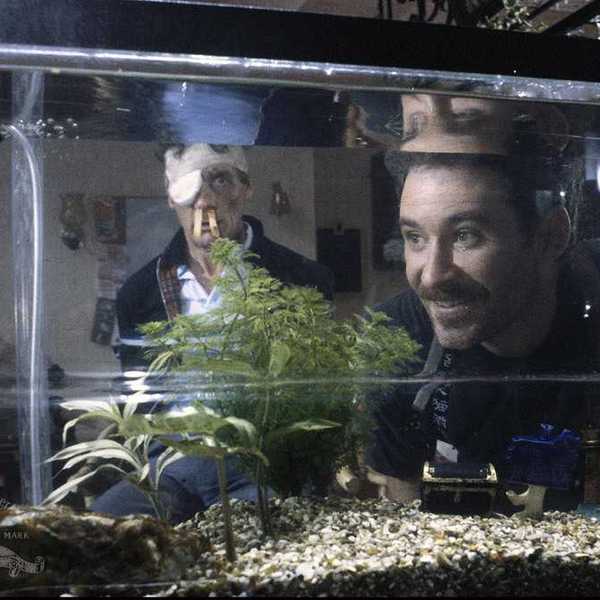
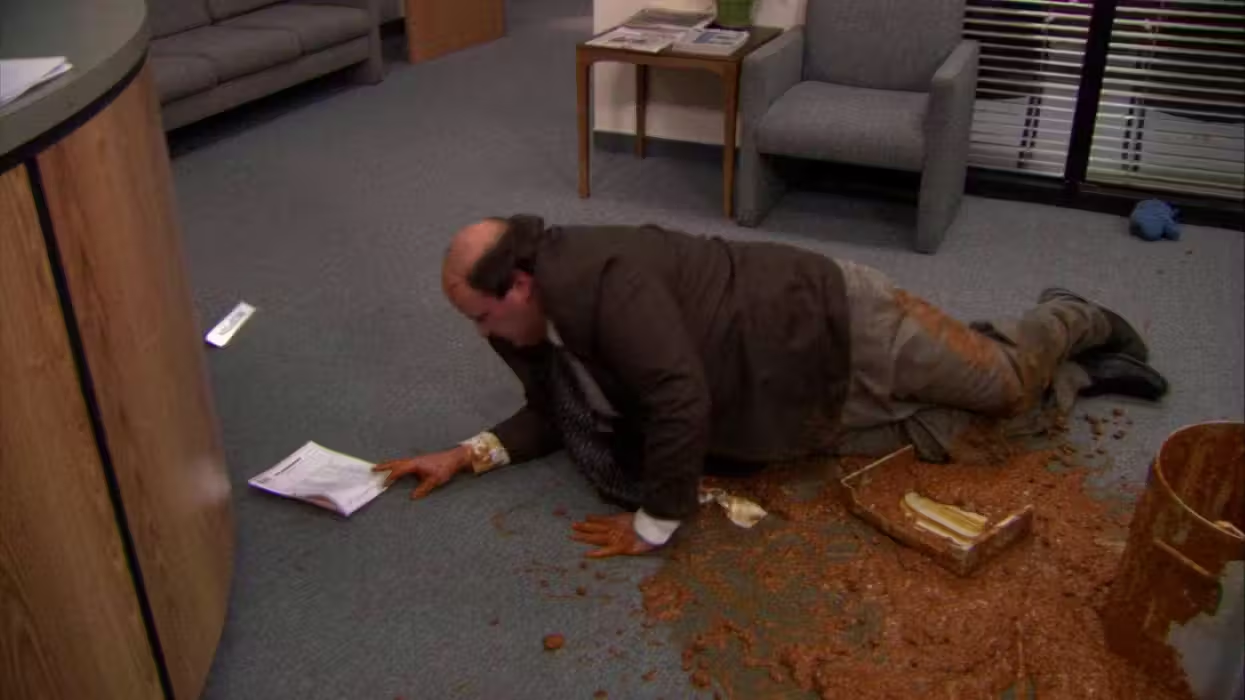
Let’s dig into one of the funniest openings in The Office’s history, the Fire Drill.
This sets the story of the episode. It’s about the repercussions of the insane fire drill that happened. Dwight’s in trouble with corporate.
Everyone knows this is a serious problem, except Michael.
That’s a solid start.
But what about a more traditional one?
For a long time, Big Bang Theory was the biggest show on television. It’s a three-camera sitcom. So we usually start in one location. Namely, the living room.
This one gets the guys gaming and sets up the character conflicts with humor.
It opens with a joke and gets everyone inside the same room. Then in a few lines, it sets up the whole plot of the episode.
It’s smart, lean, and gets us right into the episode.
But what if you’re writing a much less traditional 30-minute television show?
Atlanta transcends what it means to be a comedy. It has funny moments, but for the most part, this show thrives in presenting bluntness to the viewer.
It’s about life, and sometimes life is funny, but in this opening, we see a darker side.
Opening on this robbery is incredibly poetic. The robbery is not a factor in the episode. But it’s a statement about Atlanta as a whole.
If you want to understand this city and this show, then you have to understand it’s about people being driven to do some bad things, in a city that made them that way.
That makes for an unforgettable way to start a season.
Summing It All Up
So we learned the definition of this type of scene and went through some great examples.
Hopefully, you don’t have writer’s block and are excited to crack open your screenwriting software and tackle the story at hand.
Now that you’re a master at writing openings, consider what else goes into writing a television pilot for staffing season.
If you’re excited to keep writing, we’d love to have you join our free screenwriting seminar.
Lastly, if you’re getting caught up in the treatment phase and need help with a three-act structure, we’ve got some articles for that, too.
Got some favorite first scenes?
Tell us about them in the comments!