Look Closer: 5 Iconic Invisible Cuts That Fooled Every Film Buff
These films redefined seamless editing.
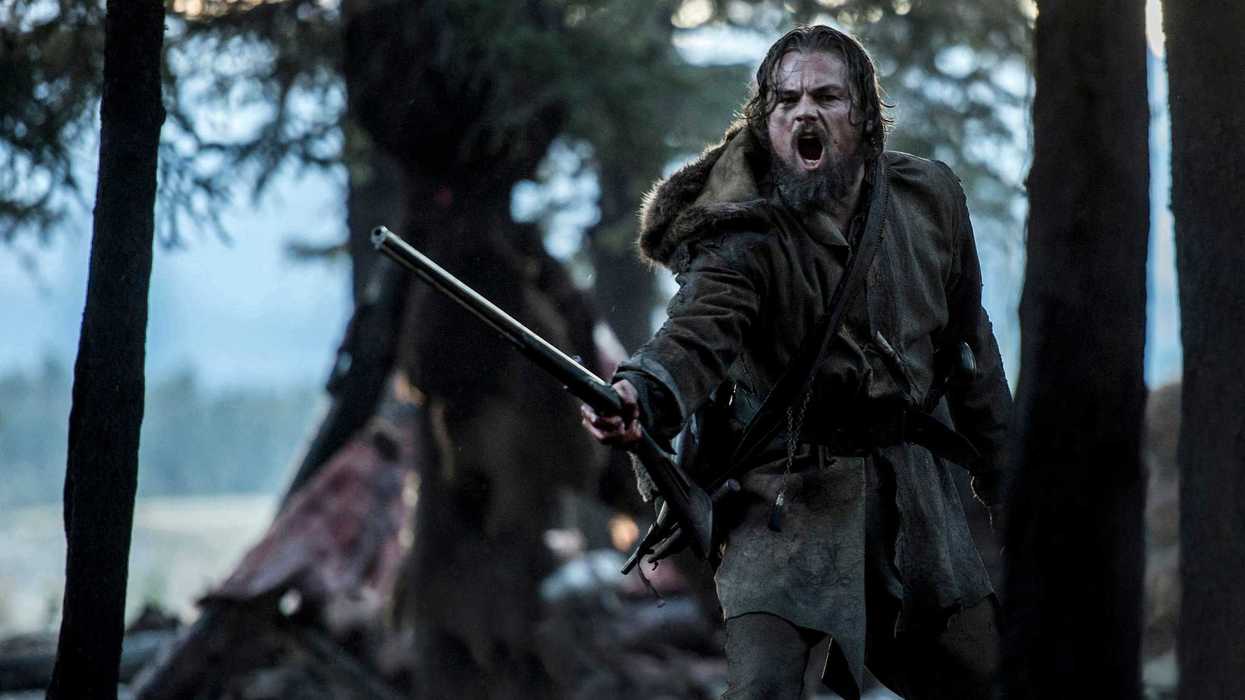
'The Revenant' (2015)
Invisible cuts are a classic example of technical brilliance combined with artistic finesse. These are edits that are so seamless that they vanish into the story. While the cut happens at a moment when you’re most likely unaware, it lets you immerse yourself deeper into the story’s world.
We are all aware of how impressive modern technology is; hence, an invisible cut alone does not stand out. The greatest invisible edits are not made only for technical reasons; they are used to elevate the film’s cinematic experience in a manner that the story demands.
The finest filmmakers use invisible cuts to maintain or heighten the movie’s tension. By keeping audiences glued to the moment, they have greater control over their thoughts and emotions.
Let’s jump right in and explore five fascinating invisible cuts in movies.
5 Unforgettable Invisible Cuts In Films
Here are five incredible invisible cuts in cinema. This list is not ranked.
1. Rope (1948)
Directed by Alfred Hitchcock | The Jacket Push-In Cut
Alfred Hitchcock is considered one of the greatest film directors of all time for several reasons. Not only did he make a long list of classics, but he also pushed the boundaries of the cinema through pathbreaking filmmaking techniques. In his 1948 classic, Rope, Alfred Hitchcock wanted to build and maintain tension in a single location. The story itself, one that includes a concealed murder as its centerpiece, would only be amplified by the filmmaker’s ambitious and bold approach to film editing. So, how did he deploy invisible cuts in Rope? He made a large part of the film’s (minimal) cuts appear, well, invisible. Now, it’s important to know that the movie does have cuts. Back in 1948, when shooting on celluloid, a 35mm magazine held only 10 minutes of footage. Hitchcock embraced this limitation and shot in long takes in a manner that mimicked real-time action on a single set. This cut is one of the most fascinating cuts in the movie. The director pushes the camera towards a character’s dark jacket, then seamlessly uses the next reel to continue the story. Rope, even today, feels dangerously intimate, and it is largely thanks to Alfred Hitchcock’s audacious use of film editing techniques.
2. 1917 (2019)
Directed by Sam Mendes | The Trench-to-Bunker Transition
Sam Mendes’s 2019 war epic immediately became a talking point for its seamless use of invisible cuts on a canvas that makes the very idea startlingly bold. In this particular scene, which features Lance Corporal Schofield (George MacKay) and Blake (Dean-Charles Chapman) stepping into the muddy trenches and moving into a bunker, the invisible cut makes the sequence tremendously immersive. Yes, there are many such sequences in the film, but this particular transition is one of the finest because it blends two very strong, standalone scenes with a powerful invisible cut. This seamless shift keeps the one-shot illusion alive even though both scenes have incredible detail, such as the rat inside the bunker and the conversation that follows its appearance.
3. Birdman (2014)
Directed by Alejandro G. Iñárritu | The Manhattan Scene
Perhaps the most popular scene from Iñárritu’s exceptional 2014 movie, this one features one of Michael Keaton’s best and most talked-about moments. While the scene incites a blend of frustration and comic relief, the invisible edit from the Broadway theater to the poetic chaos of Manhattan makes it one of the most incredible deployments of the editing technique.
This sequence blends multiple long takes into what feels like one unbroken tracking shot, which is, in some sense, Birdman’s visual storytelling highlight. However, the way the technique is used in this one is what makes it exceptional. Keaton’s Riggan Thomson is still in his underwear, and the absence of a visible cut makes the transition all the more funny, yet a reflection of his fractured psyche.
4. The Revenant (2015)
Directed by Alejandro G. Iñárritu | The Opening Battle Charge
Released just a year after Birdman, this film, which finally earned Leonardo DiCaprio an Oscar, is layered with incredible invisible cuts. Early on in the film, during a battle sequence, DiCaprio’s Hugh Glass and his fellow trappers face a brutal attack. Iñárritu crafts an exceptionally fluid and chaotic battle charge sequence that sets the tone for the rest of the movie with its realistic depiction of violence and, most importantly, its visual style. The invisible editing keeps the sequence raw and menacing. These cuts are not deployed just to make the sequence more cinematic, but by making the scenes more seamless, they emphasize the human cost and the challenge of survival when the stakes are primal.
5. Spectre (2015)
Directed by Sam Mendes | The Carnival-to-Hotel Room Scene
In this film, Daniel Craig’s James Bond weaves through Mexico City during the Day of the Dead parade. The camera meanders through the crowd, capturing Bond and those around him in an almost dreamy manner. However, the most impressive aspect of this sequence is the invisible cut that takes us from the carnival into a building, up an elevator, and into a hotel room. The background music helps maintain the scene’s rhythm, but it is the invisible cuts that make the sequence incredibly seamless, yet tense and stylistic.
Summing It Up
These five scenes prove that invisible cuts are not just an editing technique; they are an example of artistic ambition and bravery. In a very elaborate manner, they remind us that great editing is often invisible.
Which is your favorite edit in film history? Tell us in the comments below.
- Don't Know a Cutaway from a Cross-Cut? This Video Breaks Down Edit-Speak ›
- How These 8 Movies Shot Long Takes (with Disguised Cuts) ›
- How To Create Cinema's Invisible Transition, the Pre-Lap ›
- Why Your Edit Feels Off (And How to Fix It) | No Film School ›
- Know These Terms: The Film and TV Editor Glossary | No Film School ›