Everybody loves a good musical score for a movie. When utilized properly, they elevate the desired emotions performed by the actors and can also accentuate the gravity of a moment when properly restrained. But it’s the movies that you simply cannot imagine without the music in front of them that truly stand the test of time.
Let’s talk about some of those.
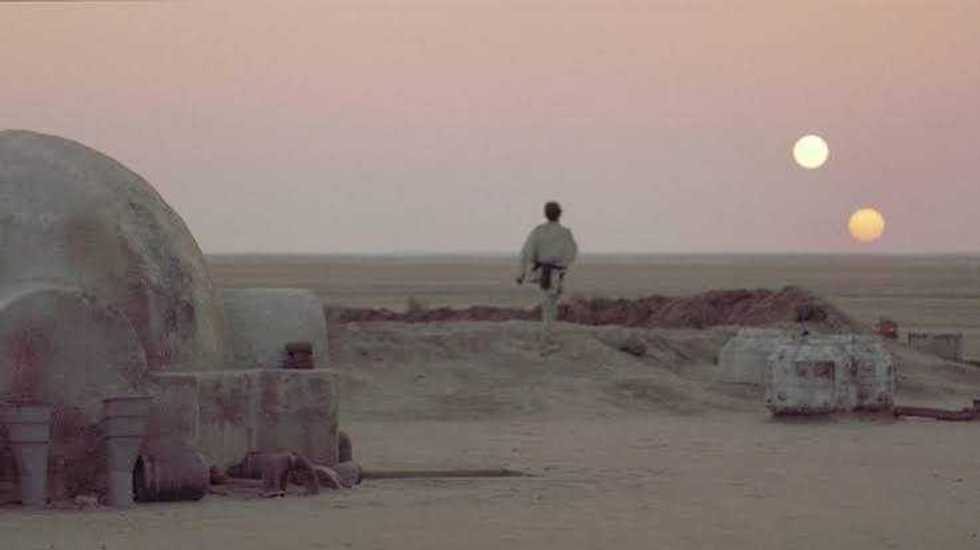
Star Wars
I’ve got to get the granddaddy of them all out of the way somewhere. The original Star Wars film from 1977 is one of the most miraculously conceived projects ever to grace the silver screen. And when you do the unthinkable and remove John Williams’ score from any given moment, it’s abundantly clear that at least 75 percent, if not far more, of the film’s success can be directly attributed to how the score interacts with all of the visuals.
This is not meant to diminish the other accomplishments of the film, but when you actually take a step back and look at how aggressively the medium shifted after Star Wars was released, if it had a different score, the cinematic landscape today would probably look a lot different.
Also, in the interest of diversity and keeping this listicle interesting to read, this is going to be the only John Williams score we talk about today. If I didn’t implement this rule, the artist distribution rate just wouldn’t be fair.
Psycho
 ‘Psycho’Credit: Universal Pictures
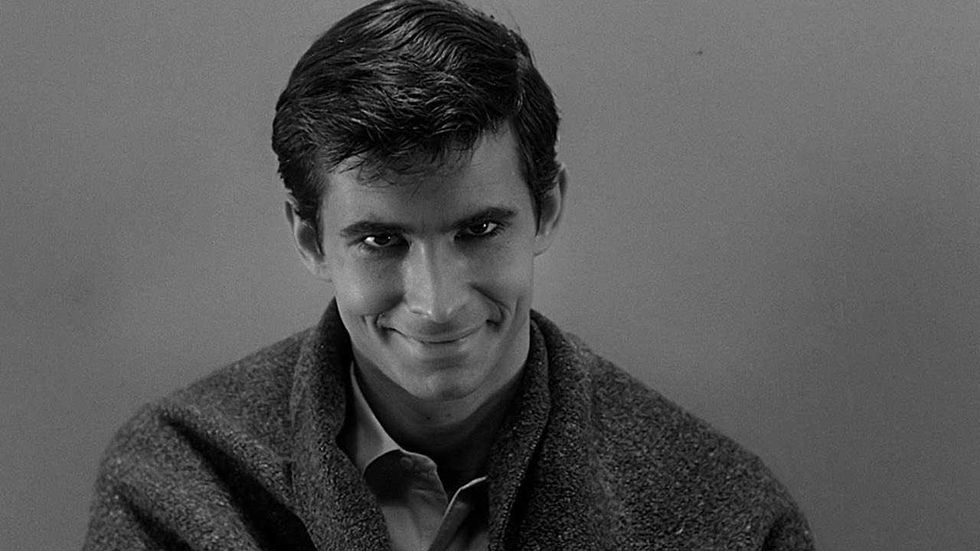
One of the most underrated composers of the 60s and 70s is Bernard Herrmann. He collaborated frequently with Alfred Hitchcock on his other films like Vertigo and North by Northwest, as well as with Martin Scorsese for the beautifully hypnotic compositions for Taxi Driver. However, his most instantly recognizable track is undeniably the ear-piercing violin strings from Hitchcock’s masterpiece, Psycho. And it almost didn’t happen that way at all.
During production, and initially in post, Hitchcock was insistent on the famous shower murder scene to be completely devoid of music. Not a bad idea on his part, as the absence of a score could have potentially emphasized the brutality of the moment and made the already unprecedented violence all the more visceral. However, Bernard Herrmann thankfully went behind Hitch’s back and wrote the score anyway. Upon watching Hermann’s version, Hitchcock immediately conceded to Hermann’s vision, and the score remained. Everybody say “Thank you, Bernard!”
The Godfather
 ‘The Godfather: Part II’Credit: Paramount Pictures
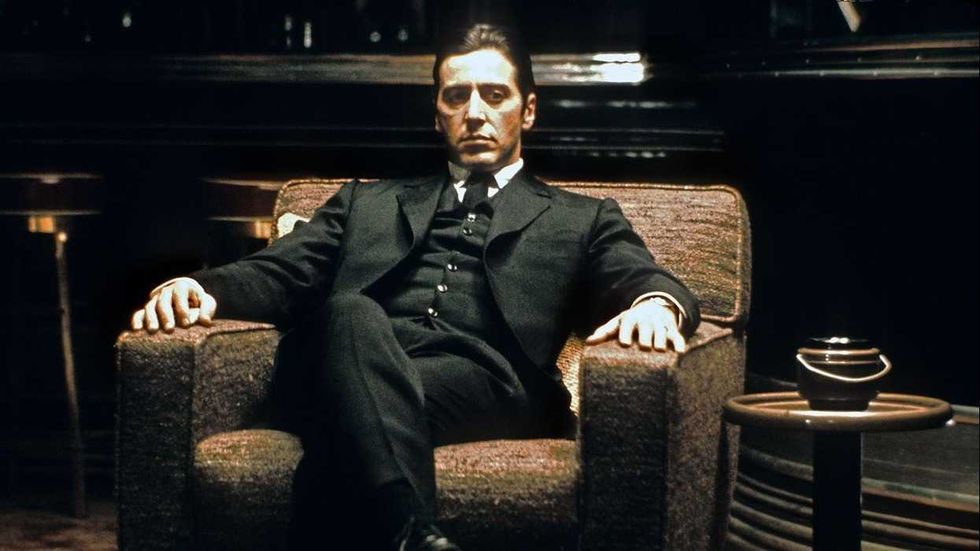
Italian composer Nino Rota was most noted for his collaborations with legendary Italian filmmakers Federico Fellini and Luchino Visconti. His dabbles in American cinema were few and far between, but that didn’t stop his work on the first two Godfather films in 1972 and 74 respectively, to become some of the most iconic in the modern lexicon.
The key element that cements the score for these films as one of the most iconic is how versatile the simple melody is across the emotional spectrum. When you listen to “The Godfather Waltz”, you feel trapped in the haunting cycle of violence and toxic masculinity that is enabled by the family and the system it represents. When you listen to the “Love Theme” from the film, the same melodies lift your spirits towards the more romantic, slow-paced beats of the story that are separate from the darkness ahead. Hearing it that many times in three hours, only to not even get close to sick of it, is a testament to its power.
The Good, the Bad, and the Ugly
Italian maestro Ennio Morricone has a lot of iconic pieces to choose from when examining his catalogue; however, when you factor in which film has stood the test of time the longest, along with his score, it is undeniably Sergio Leone’s The Good, the Bad, and the Ugly. The hat trick to the “Man With No Name” trilogy, the film is widely regarded as one of actor Clint Eastwood’s most impactful roles, and one of the greatest western films ever made.
The score remains particularly distinct amongst Morricone’s body of work thanks to unconventional musical methods like yodelling, gunshots, and whistling being main centerpoints for different areas of the score. The main theme of the film is also individualized in different ways for each character to match their personality and contributions to the narrative.
The Lord of the Rings
 Caption: ‘The Lord of the Rings: The Return of the King’Credit: New Line Cinema
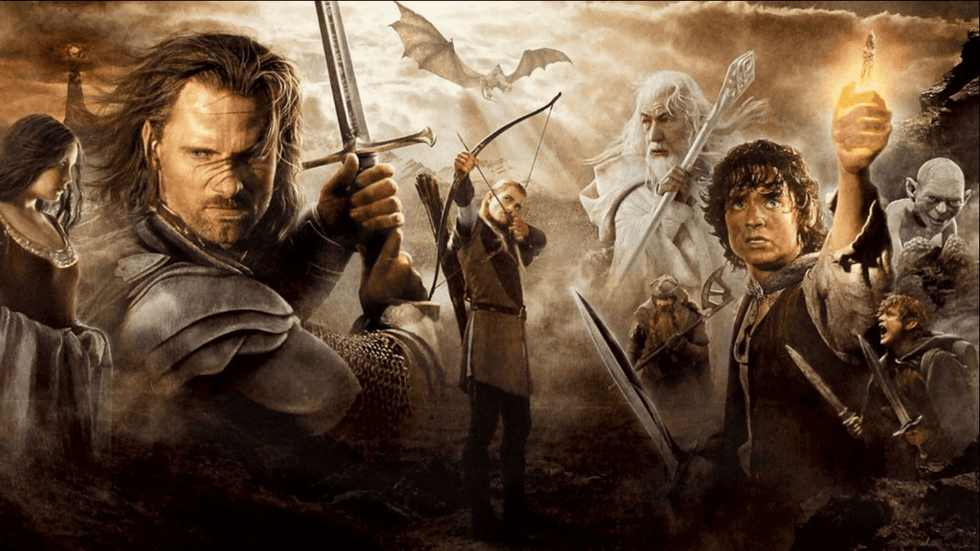
When you think of iconic, epic fantasy scores, it’s likely difficult for your mind to not immediately jump to Peter Jackson’s landmark Lord of the Rings trilogy. The films boast groundbreaking visual effects, stunning direction, and a scale that rivals any of the biggest epics of all time. And boy, do they have a score that matches all of these traits.
As someone who has seen all three films performed live with an orchestra, I can personally attest that the weight of the music these films have is amongst the most palpable you can possibly experience. No matter how grand or intimate a moment, how violent or pleasant an interaction, or how loving or hateful a relationship, the cue that accompanies it is impossible to replicate or improve. Howard Shore’s work on these films is generational.