This Jack Nicholson Ad-Lib Terrorized a Generation
From The Tonight Show to Torrance, this is the line Kubrick never asked for.
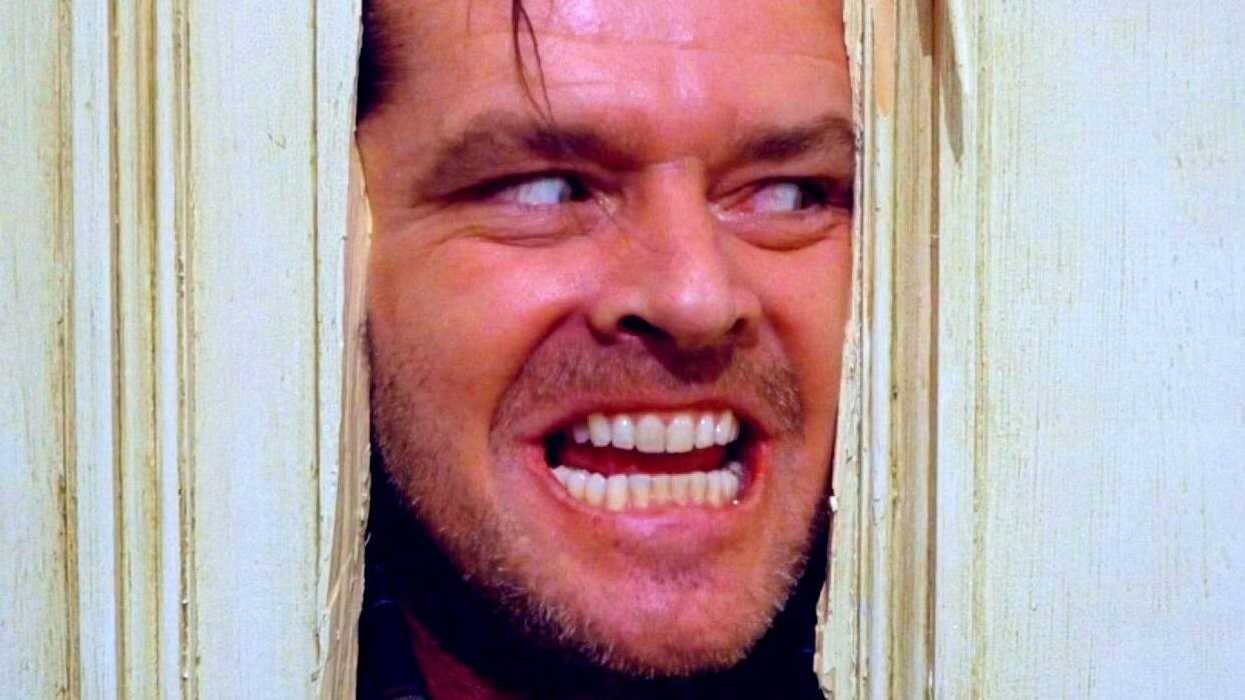
The Shining (1980)
Before it smashed through a bathroom door and into horror history, “Here’s Johnny!” was pure late-night fluff, the kind of phrase that floated into American living rooms with Ed McMahon’s booming voice and Johnny Carson’s easy charm.
Then came The Shining, and Jack Nicholson’s demonic grin hijacked it for something far darker.
In a single, unscripted moment, a familiar catchphrase turned into a chilling punchline with an axe behind it.
That moment wasn’t part of Stanley Kubrick’s plan. It wasn’t part of Stephen King’s novel either. But thanks to Nicholson’s warped spontaneity—and Kubrick’s strange indifference to American pop culture—“Here’s Johnny!” became one of the most iconic lines in cinematic horror.
That tension is what this article unpacks. We’re going back to where it all began: a live TV show intro, a set full of stress, a director with a perfectionist streak, and an actor teetering on the edge of madness.
The Birth of “Here’s Johnny”
To understand why the line landed with such force, you have to go back to 1962. That’s when Ed McMahon first belted out “Heeere’s Johnny!” to welcome Johnny Carson onto The Tonight Show.
The voice, the stretch, the dramatic buildup—it became one of the most recognizable refrains on American television. For three decades, Carson was late-night royalty, and McMahon’s introduction was his trumpet fanfare.
By the late 1970s, the phrase had become cultural wallpaper. Even if you didn’t watch The Tonight Show, you knew of it. It was part of the language of American showbiz—a safe, goofy line associated with monologues, celebrity interviews, and endless studio laughter.
And this is precisely why Nicholson’s use of it was so jarring. It took something harmless and rethreaded it through a psychological breakdown.
Nicholson’s Improv
The line wasn’t in the script. And it certainly wasn’t Kubrick’s idea.
According to Nicholson, they had been shooting the infamous bathroom door scene for what felt like forever. Tensions were high. The axe kept swinging. At some point, Nicholson slipped into improvisation, throwing in “Here’s Johnny!” as he peered through the shattered door.
What’s wild is that Kubrick didn’t even get the reference.
Having lived in England for years, he hadn’t watched The Tonight Show and didn’t know it was a catchphrase. But the line made it through the editing process anyway—possibly because it felt eerie even out of context.
What Nicholson saw as a joke, Kubrick saw as madness. And that mismatch is part of the brilliance. An American audience immediately clocked the reference. But within the scene, it lands like something deeply wrong, a comedy line delivered with murder in the eyes.
How the Scene Was Shot
The bathroom door scene looks chaotic, but it was engineered down to the splinters. And it had to be, because Nicholson kept breaking the fake doors too fast.
It turns out that he used to be a firefighter in the California Air National Guard. So when he started swinging that axe, the props didn’t stand a chance. Eventually, Kubrick had the crew bring in a real door just to slow Nicholson down and capture the right level of resistance.
Kubrick’s use of low-angle lighting that cast eerie shadows across Nicholson’s face exaggerated his expressions into something almost cartoonish, but deeply disturbing.
Sound in this sequence does a lot of heavy lifting. There’s the sharp, repetitive crack of the axe. Shelley Duvall’s panicked screams loop behind the splinters. Then comes the quiet, just a beat of silence before the punchline lands. “Here’s Johnny!”
That pause matters. The delivery of the line is quite funny, technically—almost a bit of slapstick—but in this context, it’s horror dipped in irony.
The score up to that point is laced with sharp strings and ambient dread. The music is then stripped back just long enough for Nicholson’s voice to echo in the worst way.
From Terror to Meme
It didn’t take long for the parodies to roll in. Within months of the film’s 1980 release, The Tonight Show ran spoof skits poking fun at Nicholson’s line. Sitcoms like Three’s Company gave it a nod, turning the axe moment into a punchline.
It was low-hanging fruit—easy to mock, instantly recognizable, and absurd enough to slot into comedy.
Ever since the line has been parodied in several cartoons, shows, and movies have found ways to work in their own versions of the line, usually with a crash, a door, and a crazed smile.
In more recent years, the reference showed up in It: Chapter Two.
Today, “Here’s Johnny” is basically digital shorthand for someone barging in with chaotic energy. You’ve seen it: a GIF of Nicholson’s face jammed into a Slack conversation, a TikTok parody where a boy smashes his head through a Jack Torrance poster, a meme with an adorable baby mimicking the line.
The phrase doesn’t even need The Shining anymore. It’s free-floating pop culture currency.
That’s because it balances two things: familiarity and fear. It’s instantly quotable, yet still weirdly disturbing. The line works on its own, but it always drags the original scene behind it.
Why It Still Haunts Us
In the scene, the scare doesn’t just come from the axe or the shouting. It comes from recognition gone wrong. The brain recognizes the phrase as familiar and safe, then watches that safety get hacked to bits.
Kubrick was a master at this. He loved to twist the familiar. In The Shining, he took hotel hallways, tricycles, even a typewriter, and turned them into sources of dread. He did the same with “Here’s Johnny.”
But it hits differently because it’s not an object, but a sound. A voice. A memory association with something cheerful.
Why Stephen King Hates It
Stephen King famously hated The Shining. He called Nicholson’s portrayal of Jack Torrance “a man who’s crazy from the first scene” and criticized Kubrick for stripping out the nuance of the novel. But if you watch closely, the “Here’s Johnny” line actually sums up that shift perfectly.
In King’s novel, Jack is a man slipping into evil. In Kubrick’s version, Jack is the evil.
The line doesn’t come from the hotel or its ghosts. It comes from Jack Nicholson—alive, conscious, playing with the audience. That makes it scarier. It breaks the boundary between fiction and something more primal: a man laughing while he loses it.
Conclusion
“Here’s Johnny” started as a cheerful bit of TV fluff. But in The Shining, it got hijacked by madness. It wasn’t in the script. It wasn’t planned. And it wasn’t even understood by the director who left it in. And yet it worked.
That accidental collision between comedy and horror gave the film one of its most enduring moments. And in doing so, it proved something deeper about cinema: that the line between the silly and the sinister is razor thin. Sometimes all it takes is an axe, a camera, and a line delivered with too much grin.
- Merry Kubesmas! Here's a Creepy New Discovery in the 'The Shining' ›
- This Video Might Be the Most In-Depth Exploration Into the Making of Kubrick's 'The Shining' ›
- Were the Events in 'The Shining' All in Wendy’s Head? ›
- Uncovering the Origins of ‘The Shining’s Infamous July 4 Photo ›
- Why That Bear Performed Fellatio on That Guy in 'The Shining' ›
- Why Did Kubrick Change 'The Shining' Against Stephen King's Will? ›
- There's a 'Shining' Prequel You'll Never Get to See ›
- Seriously Exhaustive Analysis of 'The Shining' Shows Kubrick's Inversion of King's Novel ›
- 10 Best Jack Nicholson Movies ›
- It takes a good fire to burn down the weeds. ›