“It Ain’t Dying I’m Talking About”: The Life Lesson Hidden in ‘Lonesome Dove’
A single quote captured the essence of living.
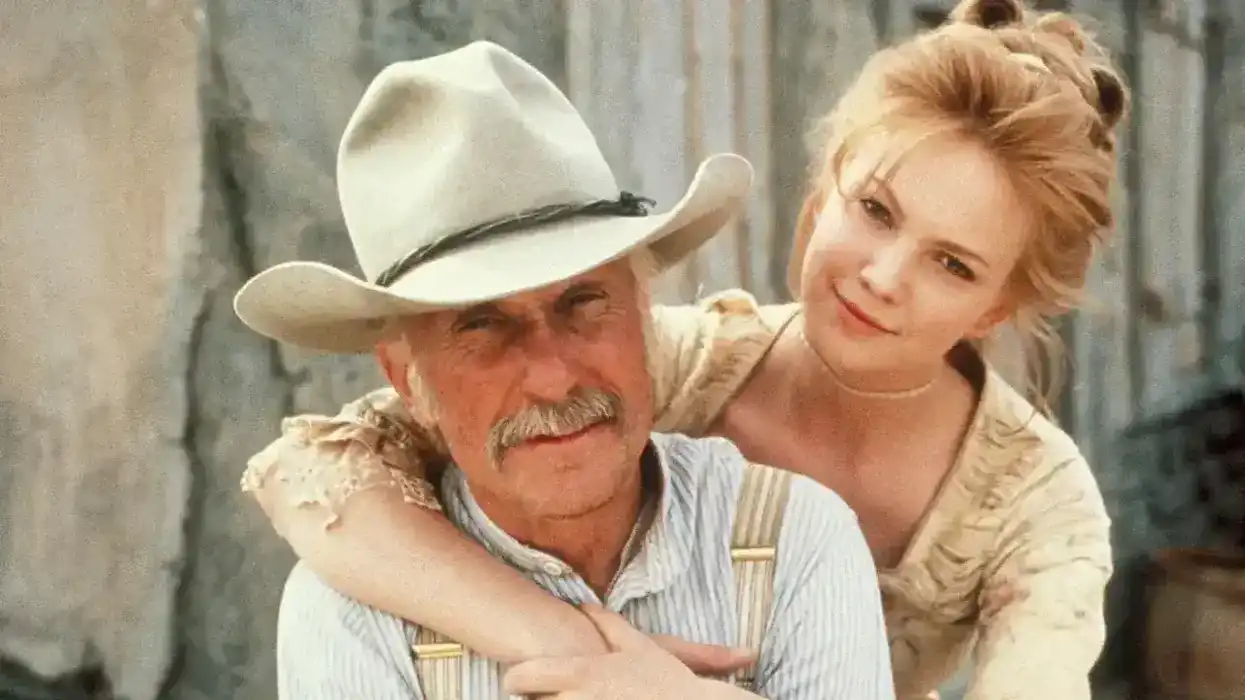
'Lonesome Dove' (1989)
Some of the greatest lines in history are said quietly, as part of a simple conversation, yet they carry profound meaning and powerful ideas. Lonesome Dove (1989) is considered a towering achievement in the Western genre for its depth, humor, and poignant depiction of interpersonal relationships.
Spoken by Robert Duvall’s Gus McCrae, “It ain’t dying I’m talking about, it’s living,” is one of the most quietly philosophical lines in the whole series.
The series, which also features Tommy Lee Jones and Diane Lane, among others, is brimming with memorable dialogue and dramatically powerful scenes.
So, what does this line say about human life? What can it teach us about writing?
Let’s jump right in and explore.
The Context Of The Line
The difference in worldview between Robert Duvall’s Gus McCrae and his partner, Tommy Lee Jones’s Woodrow Call, is evident to us through behavior and dialogue. Call is more emotionally reserved and focused on his duty, while McCrae has a stronger sense of humor and presents a more open personality.
While in conversation with his partner, Woodrow Call, Gus McCrae rejects his rather fatalistic views and says, “You just don’t ever get the point, do you? It ain’t dying I’m talking about, it’s living.”
According to Gus, it’s not strictly death he is worried about, but rather living with excessive caution. To him, living is what matters more and is the only thing we can collectively perceive. Unlike death, which to Gus is abstract and not worth worrying about, living demands passion, not caution.
Throughout the story, Gus makes choices that favor life experiences over safety. He values “living” in the philosophical sense, which, to him, involves making the most of his time by valuing love, friendship, and adventure.
Gus does not openly reject discipline; he simply chooses to experience the many great facets of living rather than worrying about fitting into a rigid system. He reminds his partner that the real measure isn’t how or where one sits within a framework of expectations, but rather what one does with the time that they are given.
What The Line Says About Human Life
At its root, Gus McCrae’s line embraces the essence of human living. It is not so much about disregarding someone else’s way of thinking but more about encouraging them to see life more openly. Robert Duvall’s delivery is perfectly easygoing yet gracefully layered with experience and reason.
The line highlights the tension between perceived safety and internal fulfillment. When we prioritize the former, how much of the latter are we giving up? It’s important to understand that Gus acknowledges Call’s own philosophy, which, according to him, is rather rigid. But when he says, “You just don’t ever get the point, do you?” he encourages his partner to start looking at life differently because not just theirs but everyone else’s days are numbered.
According to Gus, the real danger is in missing out on the beauty of “living”, not the fear of death. Avoiding the true meaning that comes from genuine human connection with their surroundings is a way of creating one’s own hardships. To him, experiences are an essential element of living life to the fullest.
The idea of choice is integral to Gus’s argument. Based on what we can learn from him, the quality of our lives can be shaped by our conscious choices, not just through relationships but through the smallest decisions. Our daily lives are layered with multiple decisions, most of which are made knowingly. According to Gus, obsessing over the fear of death would mean a human being entirely misses the very joy of living, which in itself is a poor life decision.
Lessons For Writers
The line “It ain’t dying I’m talking about, it’s living,” is layered with profound philosophical meaning. Here are three key takeaways for every writer.
Different Worldviews Through Dialogue
Using dialogue to convey different worldviews is one of the most commonly used tricks in movies and television. More often than not, viewers associate with both the characters and how they think about life. Expressing different viewpoints is not about which one is right; it is about creating a healthy debate to keep viewers engaged. Gus’s line immediately conveys how he thinks about fear, risk, and life experiences. Call reacts by pondering on Gus’s words. The result is a carefully crafted debate that encourages the audience to ponder as well.
Audiences Relate To Simplicity
The crux of Gus and Call’s argument is simplistic, yet philosophical. The questions they address apply to all of our lives in one way or another. The choice between life experiences and caution is a simple debate that one can empathize with on a human level. Gus’s line distills it further, making it more relatable and thought-provoking.
Experience Is Crucial
Gus’s philosophy comes from his life experience. These are not mere words that sound good on screen. Everything he says appears to stem from the lessons he has learned in the real world. Interestingly enough, Call’s viewpoint also comes from his own experience.
Summing It Up
“It ain’t dying I’m talking about, it’s living” stands as one of the purest distillations of Lonesome Dove’s emotional core. Delivered brilliantly by legendary actor Robert Duvall, the line serves as a poignant reminder of life’s beauty.
Which is your favorite Robert Duvall quote of all time? Tell us in the comments below.