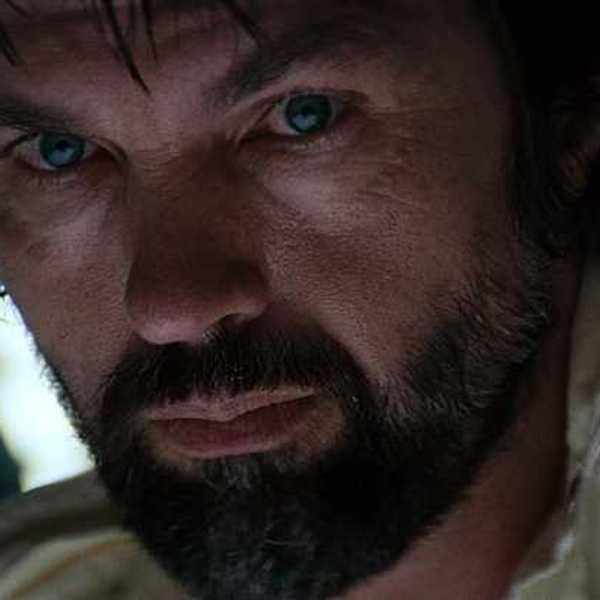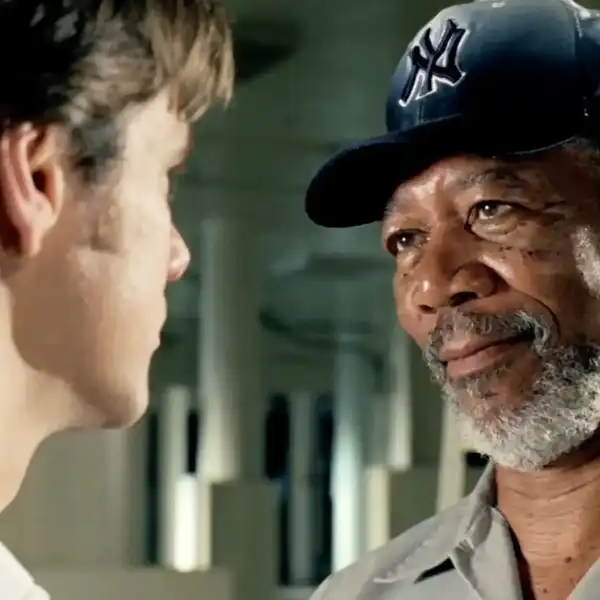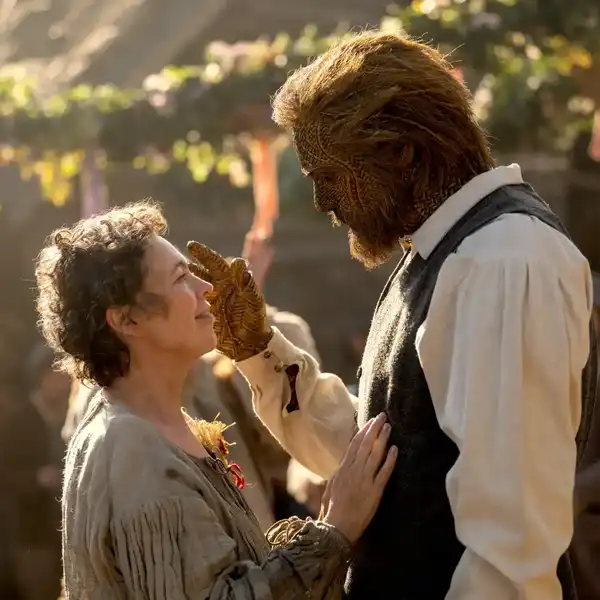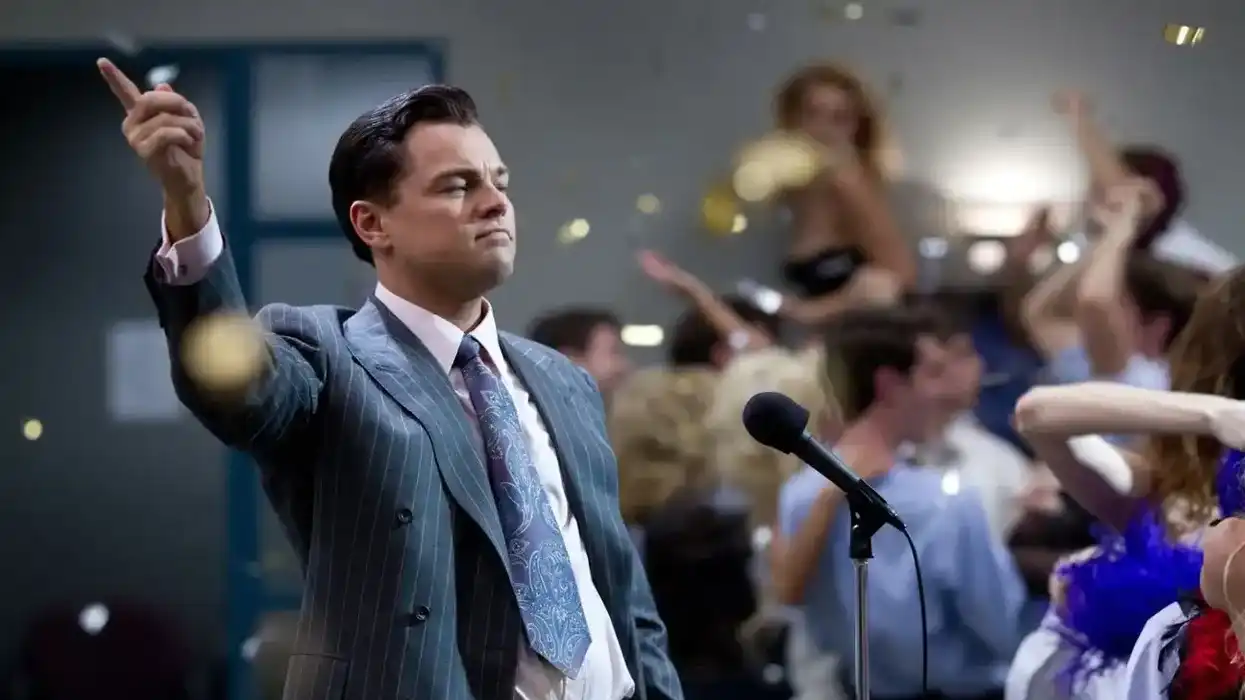
Martin Scorsese has made some of the most meticulously composed images in American movies. I mean, have you seen the Copa tracking shot? What about the stark black-and-white drama of Raging Bull? The frenetic action in The Wolf of Wall Street? We could go on.
So it might catch people off guard to hear how much he leaves open on set. In a career-spanning conversation with TCM's Dave Karger at the TCMFF Pop-Up at 92NY, the director laid out his approach to a scene.
In short, he locks the decisions that carry meaning… then hands off the rest to his actors. It's a balance you can co-opt, whether you're building a feature or a weekend short. We've broken down how he blocks and shoots before, but this is the thinking underneath it.
Check out the full conversation here.
- YouTubewww.youtube.com
Start with What the Image Is Saying
Karger asks whether Scorsese, like Alfred Hitchcock, feels he's finished the movie in his head before he reaches the set. He used to, he said. Now he starts somewhere messier, with a question about meaning.
"What is the point of the image? What am I trying to tell you?" he said. "Am I expressing how I'm feeling about these characters or about the situation with this angle?"
For him, every angle is a way to express how he feels about the characters or the situation, so the intent comes first, then he makes decisions.
That's what's behind good camera movement, too. Do you push in or hold? Could you try a whip pan? Each one only works if the story asks for it. Try running your own shot list through his question. If you can't say what a setup tells the audience, you've maybe just picked an angle that felt "cool." Nail the meaning first, and the rest will hopefully be a lot simpler.
Cast Actors Who Already "Get It"
Planning a scene starts, for me, pretty early. I'll write a version of something, but then come considerations about feasibility. Scorsese says that before there's a shot list, he thinks about who's standing in the frame. Scorsese does a lot of talking with his leads, but the understanding has to be there going in.
"They have to know it before taking on the project. You can't convince them of anything," he said. He brings up DiCaprio, who shares his taste and sends him music from the 1940s, as the kind of collaborator who lands on the same wavelength from the start.
You want chemistry between leads, but you, as a director, also need that chemistry. Imagine you have to work a grueling job with someone you can't stand. Film sets are draining. You need people around you that you like.
Hopefully, you've cast someone who already gets the story. The prep can then just be about refining, which is a great feeling. Then you're not spending your first rehearsal explaining the scene or motivations. You're getting to a collaborative place faster. That head start is why so much of Scorsese's on-set freedom is possible in the first place.
On The Irishman, He Planned to Hold Still
Restraint is a decision you make on purpose. On The Irishman, Scorsese brought the camera back because Frank Sheeran's power lived in stillness.
"And right away I pulled back on Irishman and said, 'Hold on here, let's hold—the nature of his strength and power. Frank's character should hold the frame, which means you better not move that camera too much."
That read came from De Niro, who showed up basically in the role at the costume test.
"The moment he walked on the set for the costume shoot, the person was there. It was no longer Bob," Scorsese said earlier in the conversation.
A locked-off frame can carry a lot, so don't be afraid of it, almost as if the viewer is sitting rapt in front of an actor. A still camera lets you sit with a beat rather than chase something. Your scene's power might lie in a face or a silence so that you can do less.
 'Killers of the Flower Moon' Credit: Apple Original Pictures
On Goodfellas, He Got Out of the Way
The flip side shows up in Goodfellas, which Scorsese called "an afterthought." He was settled enough in his head about a scene that he could let the room breathe.
Take Joe Pesci's "Funny how?" scene. Pesci brought Scorsese a real encounter from his own life and acted it out, and Scorsese wrote it into the movie. They rehearsed, he typed it up, then put down two cameras and shot it fast on a rushed day.
"In a scene like that, notice there are no close-ups," he said. "So that's a decision that's made. It's almost done. You just sit there, and you watch a show."
He decided on the scene's grammar, using two cameras and no cutaways to break the tension, so the performance could stay loose and the coverage wouldn't get complicated.
Some Takes, You Can't Predict
In The Wolf of Wall Street, some scenes weren't shot as written. When the material felt too tame, Scorsese and his cast pushed the story and the action further, and the wildest version tended to survive once it sat beside the surrounding scenes.
On Killers of the Flower Moon, he shot a DiCaprio and Lily Gladstone scene out of order while rewriting pages daily, so he built a safety net.
Scorsese says something came up during production that forced them to shoot a scene out of continuity (a later scene) before they'd locked in how the surrounding beats would play. They weren't fully comfortable with how it should land, so they improvised different endings, judged them in the moment ("too nasty," "too sweet"), and settled it in the edit.
"Since this is out of continuity and we were rewriting the script every day, we better cover ourselves," he said.
It's a good reminder, if you have the time. Don't forget a safety net.
The Scene Isn't Done Until the Edit
For Scorsese, planning continues even after the last shot. He cuts his own films over eight or nine months, and he'll lock himself away for days at a stretch to design edited sequences.
That Killers ending was found in the edit. His decades-long partnership with editor Thelma Schoonmaker is where much of the meaning is fixed, from freeze frames to the pulse of a montage.
Plan your scene past the shoot. Storyboard the cut in your head the way you storyboard the setups. The edit is your last chance to decide what the images are saying. Which is the same question Scorsese opens with.