Movie Myth Monday: Did the Mafia Really Try to Stop 'The Godfather' From Being Made?
As it turns out, they made them an offer they couldn't refuse.
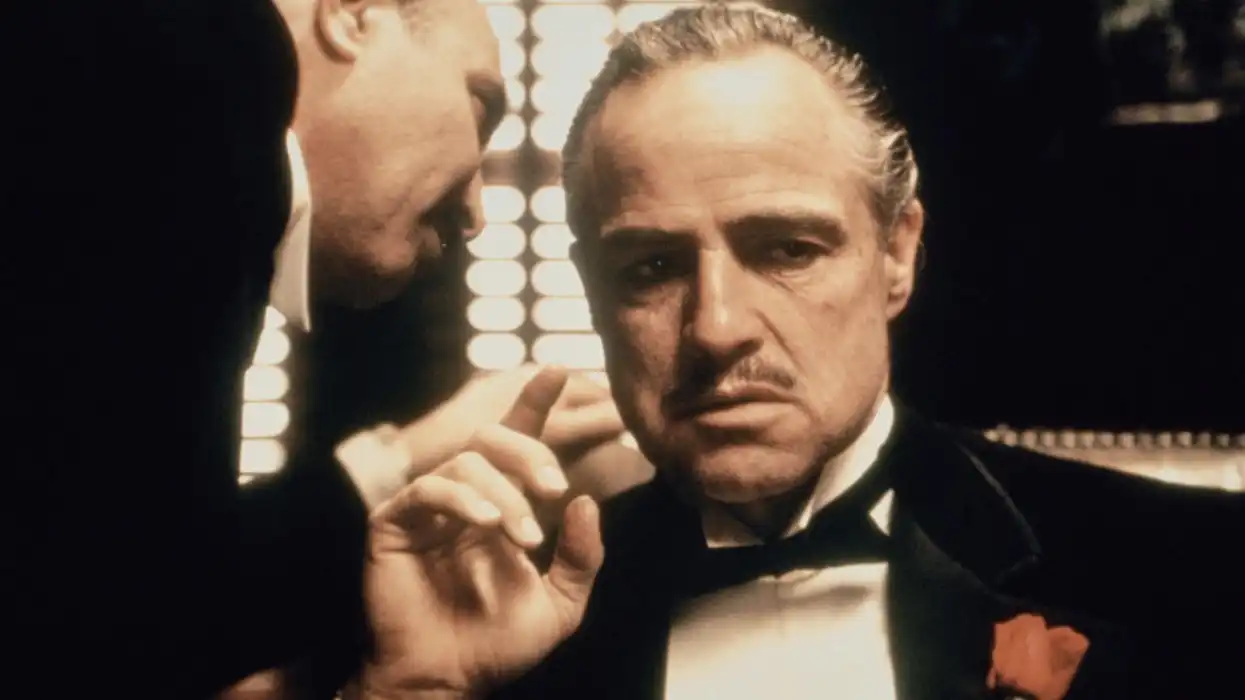
I love mafia movies. I think they usually dig into what it means ot be American and pull apart the dream or other societal issues like rising and falling that make for great drama.
You have to wonder if the mafia likes seeing themselves on screen. There was that great bit in The Sopranos about how Tony deals with his neighbors and friends asking how real those movies were, but rarely do we get real stories of a crossover of worlds.
Well, we did back in 1971, thanks to the best mafia movie of all time, The Godfather.
Producer Albert S. Ruddy and director Francis Ford Coppola had to convince real-life mob bosses that this movie mattered and had to be made.
Today, I want to dive into how the mafia interfered with the making of that movie.
Let's dive in.
- YouTube www.youtube.com
Paramount vs. The Mafia
So, when The Godfather was just a book by Mario Puzo, it caught a lot of heat from the Italian-American Civil Rights League. They were worried it made Italians all seem like organized crime members.
Leading the charge were Joe Colombo and Frank Sinatra, two guys who definitely didn't have organized crime ties… if you know what I mean.
Okay, I won't beat around the bush, Colombo ran a crime family and was a massive mafia don. Sinatra...hey, the guy was a great singer...how he got there...that's his own business.
Behind the League's respectable facade, the mob launched an aggressive pressure campaign against the film. They didn't want the mafia on the big screen.
They employed some aggressive tactics:
- Extortion and Threats: Death threats flooded into producer Al Ruddy's office.
- Property Destruction: Ruddy walked out to his sports car one morning to find every window shot out, accompanied by a note telling him to shut the movie down.
- Studio Panics: bomb scares were repeatedly called in to force Paramount’s parent company, Gulf+Western, to evacuate its Manhattan headquarters.
The Sit-Down
Paramount had enough of the mafia and was ready to scrap the movie. But producer Al Ruddy arranged a sit-down with Joe Colombo at the Park Sheraton Hotel.
It was a conversation where Ruddy was exploring what made them so mad and also if he could stop having his windows shot out.
So they went through the script together to discuss what needed to change for this movie to move forward.
So they came up with two solutions:
- Paramount would donate the proceeds of the New York premiere to the League's hospital fund.
- The production would strike every mention of the words "Mafia" and "Cosa Nostra" from the script.
Colombo accepted, believing he had forced a major Hollywood studio to bend the knee. But the word "Mafia" appeared in Mario Puzo's screenplay exactly once, so Ruddy gave up virtually nothing in exchange for complete mob clearance.
The Aftermath
The peace agreement brought immediate backlash from Wall Street. When news broke that a Hollywood producer had shaken hands with an indicted crime boss, it landed on the front page of the Wall Street Journal.
Hilariously, Gulf+Western stock dropped, and furious studio executives fired Al Ruddy on the spot.
Lucky for Ruddy, Coppola had his back. He refused to shoot without Ruddy and convinced executives that no one else could pull off the production on schedule.
Within 24 hours, Ruddy was back in his office, and they had a go movie.
Of course, they were not done with the mob.
Real Wise Guys on Set
As it turns out, the mafia was very useful to the making of the movie. With them on their side, permits were cleared instantly, and neighborhood crowds were kept orderly by real mob enforcers.
They even found their way into the movie for some authenticity. For example:
- Lenny Montana (Luca Brasi): A 6'5" former professional wrestler and actual Colombo family enforcer was cast as Don Corleone's terrifying hitman. In the famous scene where Luca Brasi stumbles over his lines while rehearsing a speech to Don Corleone, Montana wasn't acting; he was genuinely terrified to perform opposite Marlon Brando and fumbled all his words. But Coppola let the cameras roll, and we got those nerves used for a classic on-screen moment.
Summing It All Up
Did the Mafia try to stop The Godfather? Yes, they were there on set, they were there before the cameras rolled, and they were int hr theaters later watching it.
And you know what? It was all worth it to get this epic movie that will live forever, as what I believe is the greatest film ever made.
Sadly, Joe Colombo never got to see the movie, as he was gunned down at the Italian Unity Day rally. Sinatra supposedly liked Coppola and the movie, but hated the character of Johnny Fontaine.
Let me know what you think in the comments
- 'The Godfather' Has a Secret Third Lead (And It’s Not Who You Think) ›
- Film Quote of the Day: The Four Words That Opened 'The Godfather' and Changed Cinema Forever | No Film School ›
- Unlocking the Crime and Gangster Genre (Definitions and Examples) ›
- What Are the Best Mafia Movies of All Time? ›
- Another Line From ‘The Sopranos’ That Hits Different When Watching It Here in 2026 | No Film School ›