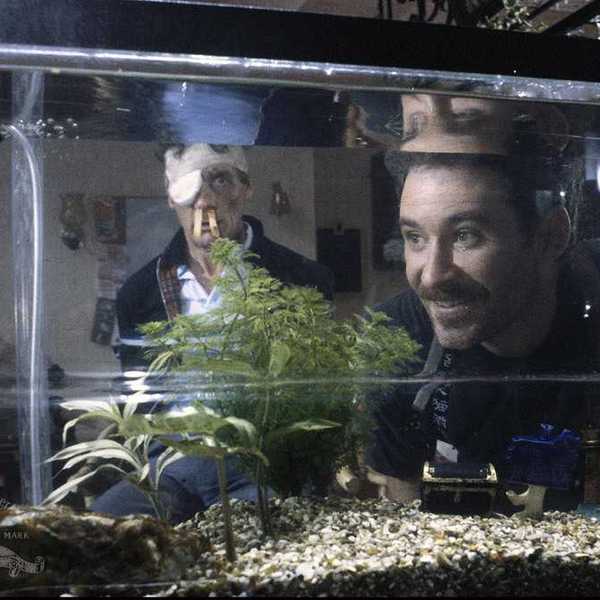
Titan filmmaker Martin Scorsese is known to be a cinephile above all else. In the truest sense of the word, he just really loves movies, especially ones that he’s not making. Often critical of his own work, he isn’t shy about citing his influences and his inspirations. Although he’s drawn some criticism in recent years for his attitude towards certain areas of American cinema, he’s always able to justify his reasoning with one simple philosophy. With regard to advice to new filmmakers, he says,
“Study the old masters. Enrich your palette; expand the canvas.”
(via https://www.instagram.com/reels/DRKmwg1Cu6I/)
Let’s take a look at some old masters that can potentially help enrich your palette today.
Federico Fellini
 ‘8 ½’Credit: The Criterion Collection
A pioneer of the Italian neorealism movement, Federico Fellini was the man behind over 2 dozen films in the mid-twentieth century. The winner of 4 Academy Awards for Best International Feature, he is known for blending personal, grounded, intimate realism with more surrealist visuals. His most famous film is likely his 1963 masterpiece, 8 ½, which follows a past-his-prime filmmaker succumbing to stress and visions of his past memories. Fellini is one of the filmmakers that Scorsese references the most as a major inspiration for his own work. By studying his filmography, it won’t be difficult to spot key, iconic visuals that have inspired generations to come. If you’re looking to get into his work, potential films to start with could be 8 ½, La Dolce Vita, Nights of Cabiria, and La Strada.
Abbas Kiarostami
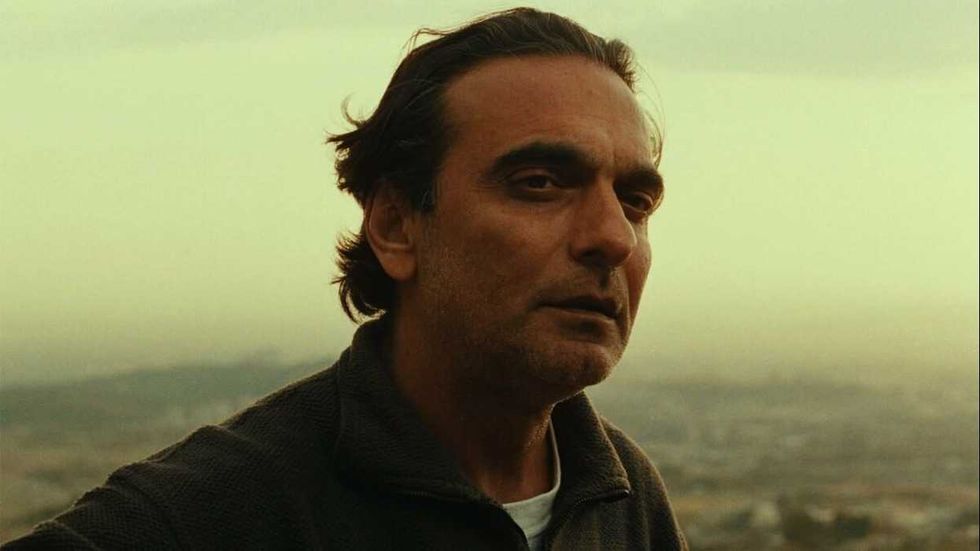 ‘Taste of Cherry’Credit: Zeitgeist Films
In a pretty stark contrast to Fellini, Abbas Kiarostami was an Iranian filmmaker who specialized almost exclusively in the slow, often documentary-style examination of the human condition. His films are deeply character-focused and often tackle dense themes and topics such as mental health, community, and familial ties. Including his short form and documentary work, Kiarostami produced over 40 films in his lifetime, which can seem daunting at first to someone attempting to get into his work. Like any filmmaker, though, he has some clear choices that work well as a starting point. Films like Taste of Cherry and Close-Up remain largely accessible on streaming and physical platforms. Additionally, films like Where is the Friend’s House?, and Through the Olive Trees offer less thematically dense experiences that may offer a smoother introduction to his work.
Akira Kurosawa
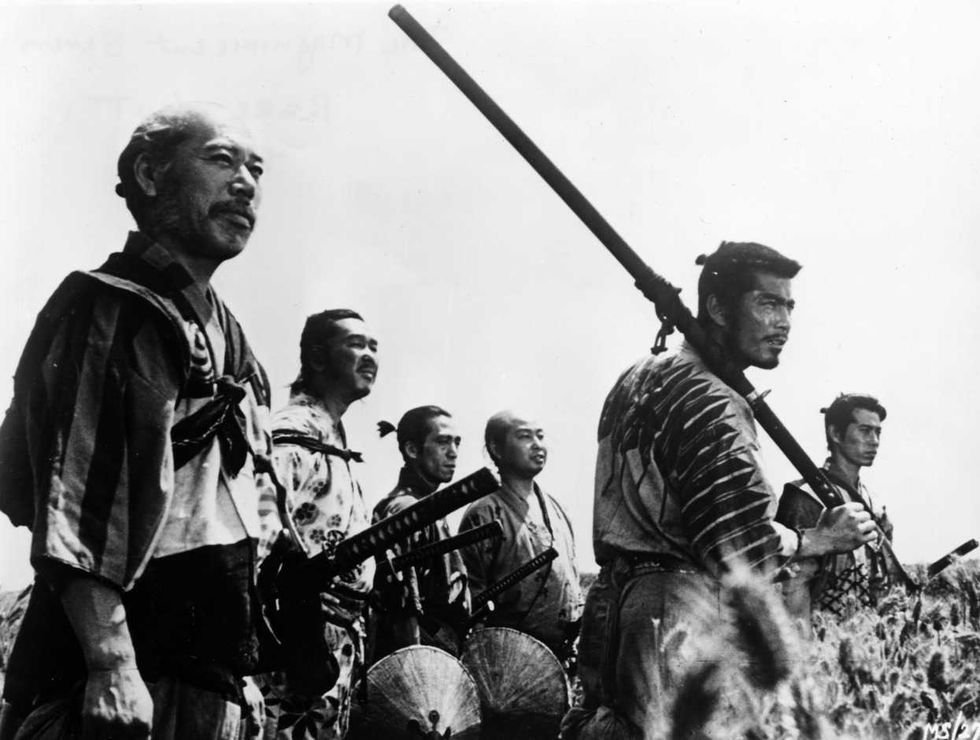 ‘Seven Samurai’Credit: Janus Films
Probably the most popular entry of these three, Akira Kurosawa remains one of the most important and influential filmmakers of all time. A Japanese director, most known for his samurai projects and his influence on George Lucas, Kurosawa directed over 30 feature films over the course of his five-decade career. The vast majority of his films remain largely accessible, both on streaming platforms and physical media. His most famous works, like Seven Samurai or Ran, still remain fan favorites after all of these years. His somewhat less popular Shakespearean adaptations like Throne of Blood still offer a tremendous amount of substance, and given their shorter length compared to his more grandiose epics, offer a pretty valuable entry point for new viewers. His more emotionally charged, dense work, like Rashomon and Ikiru, offers some distinct departures from what he was traditionally known for, but it’s in these films that a lot of his finest work shines through.
Why Does This All Matter?
Cinema is an evolving medium. Even if you remove technological advancements from the equation, there’s a big reason why films that we now consider the greatest of all time didn’t necessarily release until several decades after the art form was established. Films like Citizen Kane, Vertigo, The Godfather, and Apocalypse Now needed fifty to sixty years of filmmaker experimentation and inspiration to even become possibilities.
Especially in more American, Western cultures, there has become a rather egocentric viewpoint of cinema over the past couple of decades. There has become less of a focus on works made outside of our direct comfort zone and lived experiences. It’s this viewpoint and muted sense of palette that Scorsese is directly arguing against in his quote.
There is absolutely no reason why any of the films or filmmakers mentioned in this article or beyond have to suddenly become your favorites under the guise of becoming a cinephile. That more performative way of thinking isn’t very productive either. But giving yourself the confidence to expand your horizons of what you believe you’ll enjoy and resonate with is extremely important. In every conceivable way, it’s how we’ve gotten to where we are with cinema as an art form. And thankfully, foreign and independent cinema is more accessible than ever. So, if nothing else, this week, give a new filmmaker a chance. Experience something you never thought you would. It might just open your eyes to a whole new perspective.
- Why Martin Scorsese Says You Need to Let Your Actors Fail ›
- Martin Scorsese’s Plea for the Soul of Cinema ›
- How Does Martin Scorsese Block and Shoot a Scene? ›
- Martin Scorsese on Why Classic Movies Are So Important To Him ›
- 11 Best Martin Scorsese Movies, Ranked ›
- Martin Scorsese's Essential Movie Watchlist ›
- How Scorsese Plans a Scene ›
- The 5 Best Scorsese Gangster Movies | No Film School ›
- 2011 Martin Scorsese Classic Lost $100 Million, Then Went on to Sweep the Oscars | No Film School ›