In the past couple of weeks, it seems like we’re finally making some progress in the production of Matt Reeves’ follow-up to his massively successful first Batman film with Robert Pattinson.
In honor of the news and progress, let’s take a look at some of the works that Matt Reeves has cited had the most influence on his take on the character.
Se7en and Zodiac
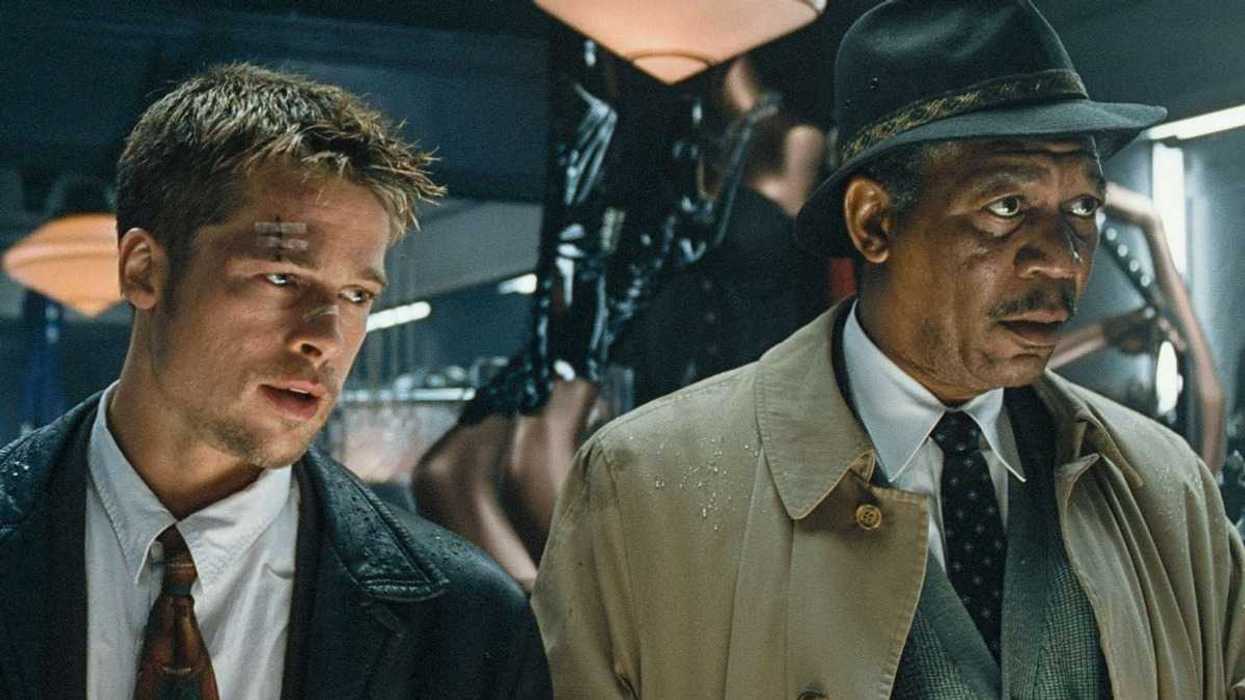
I mention these films together as they are both directed by David Fincher, and they are also the two influences that are arguably the most visible on a first viewing, both stylistically and narratively. The Riddler’s costume is eerily similar to that of the Zodiac killer, both in Fincher’s film and what he was believed to have worn in real life. The capture and subsequent implementation of the Riddler’s plan is very similar to John Doe’s in Se7en, and when you look at the film visually, it’s dripping in images straight out of a Fincher thriller.
This kind of intensity and vulgarity is something that many fans, including myself, have been longing to see implemented properly in a story about Batman, and Reeves did so in a way that is difficult to beat. Perhaps most impressively, he was able to do it while keeping the film at a PG-13 rating.
Chinatown
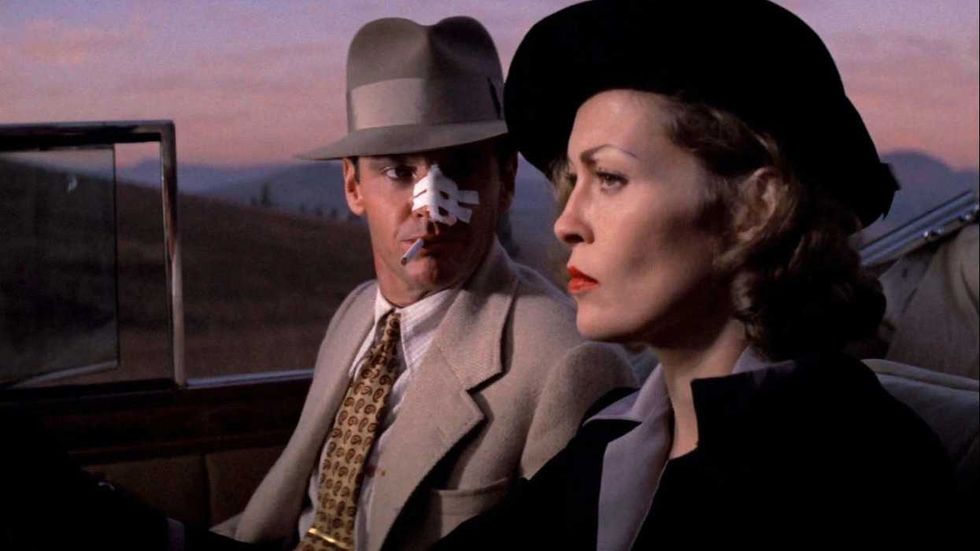 ‘Chinatown’Paramount Pictures
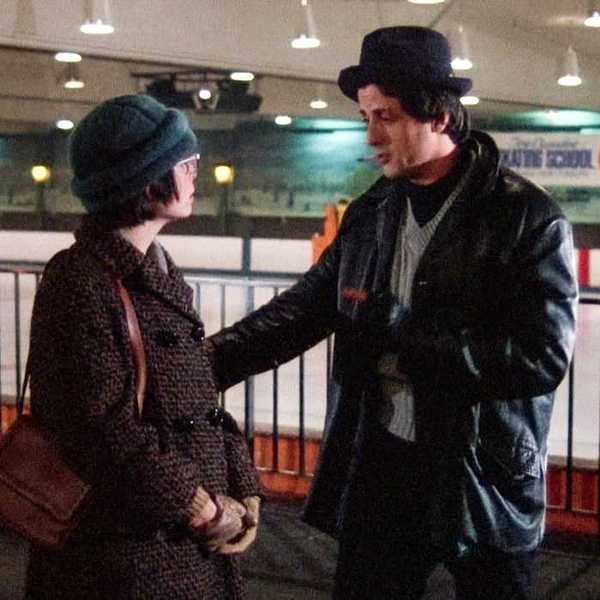
Disgraced filmmaker Roman Polanski’s 1974 neo-noir thriller has left an indelible mark on the genre that it occupies. Utilizing more modern filmmaking techniques to mesh with a more classical style, it almost single-handedly reinvented the subgenre. It’s visually rich, thematically dense, and deeply dramatic without falling into cliché or heavy-handedness.
The arc of Nicholson’s character, Jake Gittes in that film is a big inspiration for the arc of Bruce Wayne’s in Reeves’ film. Where Gittes spends most of the mystery coming to terms with how deep the corruption in Los Angeles really goes, Batman finds himself going through the same journey in Gotham. Where both characters feel like they have learned and seen it all, the tragedy of both films is that they both end their arcs surprised by how seedy the world can really be. It’s an arc that we’ve seen Batman go through before in previous iterations, but Reeves’ film is the one that pulls most directly from Polanski’s original.
Good Time
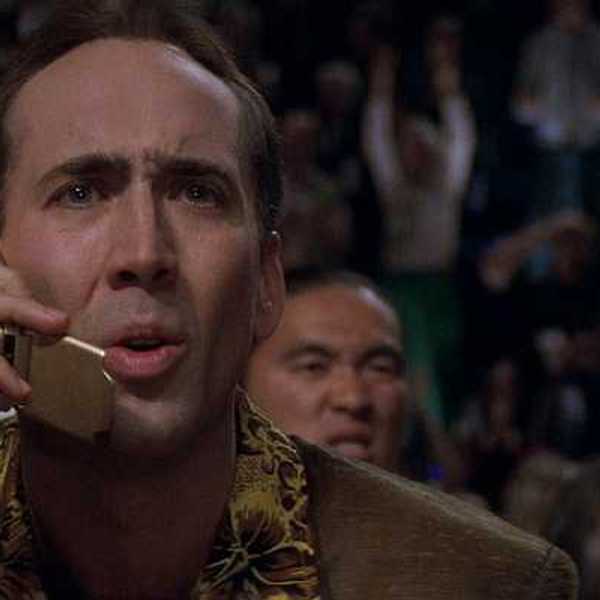
This is an interesting one because the filmmaking style and story of Good Time by the Safdie Brothers is almost directly antithetical to the approach Reeves tends to take with all of his films. But it’s also the film that most directly sold Reeves on casting Robert Pattinson in the titular role. He’s said that he watched the film for the first time while writing The Batman and was immediately struck by Pattinson’s range, and the level of rage he’s able to bring to the screen without expressing it so outwardly all of the time.
He also admits that he pretty much became “dead set” on it being Pattinson who would play the part, without any knowledge that he would have any interest in doing so since his career had drifted to more of an independent route post-Twilight.
The French Connection
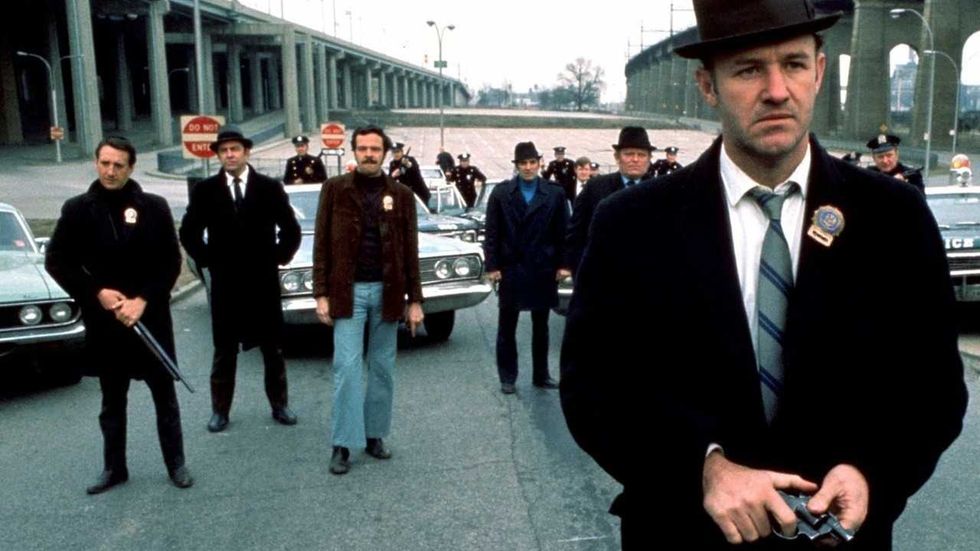 ‘The French Connection’Credit: 20th Century Studios
The French Connection goes hand in hand with Taxi Driver a bit in its influence over Reeves’ film, thanks to the more grounded atmosphere to the conflicts of both films. The 1970s seediness of New York City that both William Friedkin and Martin Scorsese brought to their respective films was something that he wanted transplanted for Batman to experience in Gotham.
Keeping the stakes more grounded in the home base was far more appealing to both Reeves as a filmmaker, but for the character of Batman himself. In a time where the vast majority of superhero movies revolve around the fate of the entire world being at stake, the more gritty, hand-to-hand combat, street-level depiction of superhero conflict was more than welcome.
All the President’s Men
When you remove the caped crusader lens, and the larger-than-life elements that come with it, The Batman at its fundamental core was a detective story with unearthing corruption being the central goal. When looking at Pakula’s All the President’s Men, that film was initially sold as a depiction of the most horrific scandal that the government was capable of. An outrageous statement to make now, as it seems like Watergate just happens twice a week at this point, but the weight of that film is still very much felt today.
The tone and heaviness that that film was able to conjure up with hardly more than a newsroom setting is still studied today, and one of Reeves’ goals was to be able to maintain a grounded narrative while still achieving that amount of dread.