Do you love natural light? Most people do, unless you’re a filmmaker only wanting to make highly stylized work.
But the truth is, when a film looks "naturally lit," that's usually the result of meticulous planning, not happy accidents. The audience might read it as spontaneous, but a cinematographer took the time to engineer it so it looks exactly the way a director wants it to.
True natural light can sometimes look flat, blown out, or boring. The skill is in shaping it and making it look even better than reality.
So natural lighting is about intention. If you’re a DP, you're trying to make the control and shaping invisible so the focus is on the story.
You need to know lighting techniques even if you want to work only with "natural light" in all its forms, because you might need to rig LEDs to a ceiling, diffuse or bounce light through a window, scout a location for its existing light sources, or work on a build. You can’t just show up on a sunny day and call it good because you think you’re using natural light. Do you know how much sunlight you have? How will you position your actors to take advantage of that sun?
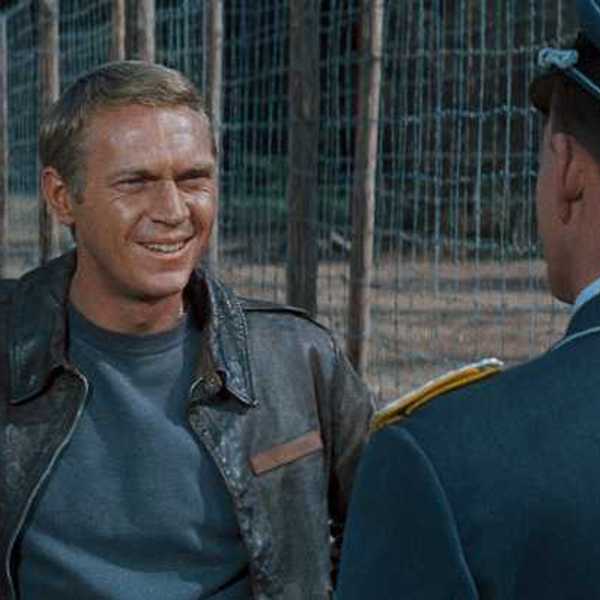
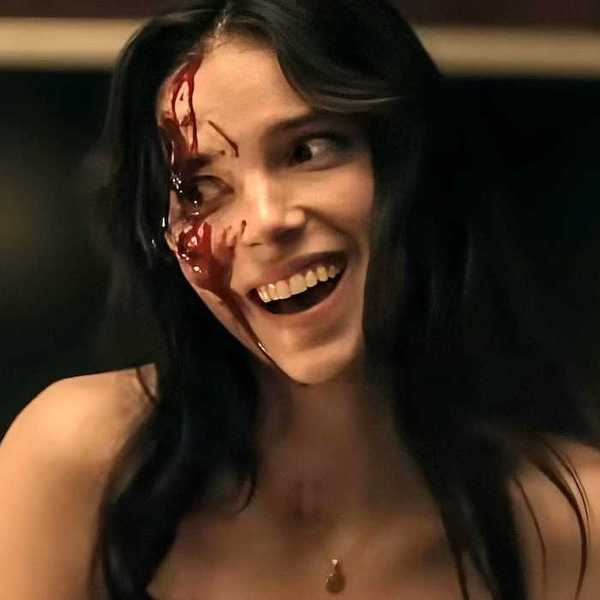
Check out this video from In Depth Cine for more. It looks at examples from Ken Loach, Andrea Arnold, Jean-Marc Vallée, and Michael Haneke. What they all have in common is that none of them just accepted whatever light happened to be on their sets. They all made choices about location, scheduling, lens, actor positioning, gear, and more.
- YouTube www.youtube.com
What "Natural Lighting" Means
Natural light, meaning light from the sun or other natural sources, lends work a sense of realism. It refers to illumination that feels motivated by the real world. It often comes through windows, or if you’re shooting exteriors, the sun or the moon.
In contrast, traditional cinematic lighting setups include three-point lighting. A key, fill, and backlight work together to keep subjects consistently well-exposed. Shadows and highlights are both deliberately controlled, giving subjects clear separation from the background.
Natural light can be as diverse as other lighting types. Sometimes it’s soft, sometimes it’s high-contrast, sometimes it’s extremely bright.
In Depth Cine looks at several examples of natural lighting in practice.
Ken Loach
Ken Loach hates light stands on set. Part of this comes from working with non-professional actors. The less gear they see, the more present they are.
Cinematographer Robbie Ryan rigs LEDs overhead, out of frame, and pushes HMIs through windows from outside to add shape and direction. Actors are positioned side-on or back-to windows so the light wraps rather than flattens. They even shoot the scenes further back on longer lenses so the camera doesn’t intrude on the scene.
That camera can turn 360 degrees without hitting a light stand, and performances feel unguarded.
In exteriors, actors are still thoughtfully placed so true natural light from the sun hits them from the side or backlights them.
Andrea Arnold
Andrea Arnold's films feel raw and natural. Part of that is her use of natural daylight, but she shapes it constantly through actor positioning. (She also works with the great Robbie Ryan.)
In midday exteriors, characters are almost always backlit or side-lit, never frontally illuminated by harsh, direct sunlight. She's using the sun like a key light. She’s just moving the actors instead of the fixture.
Backlight gives your subject a nice highlight on their figure. Side-light gives the opposite side much-needed contrast, so the talent doesn’t feel flat and washed out.
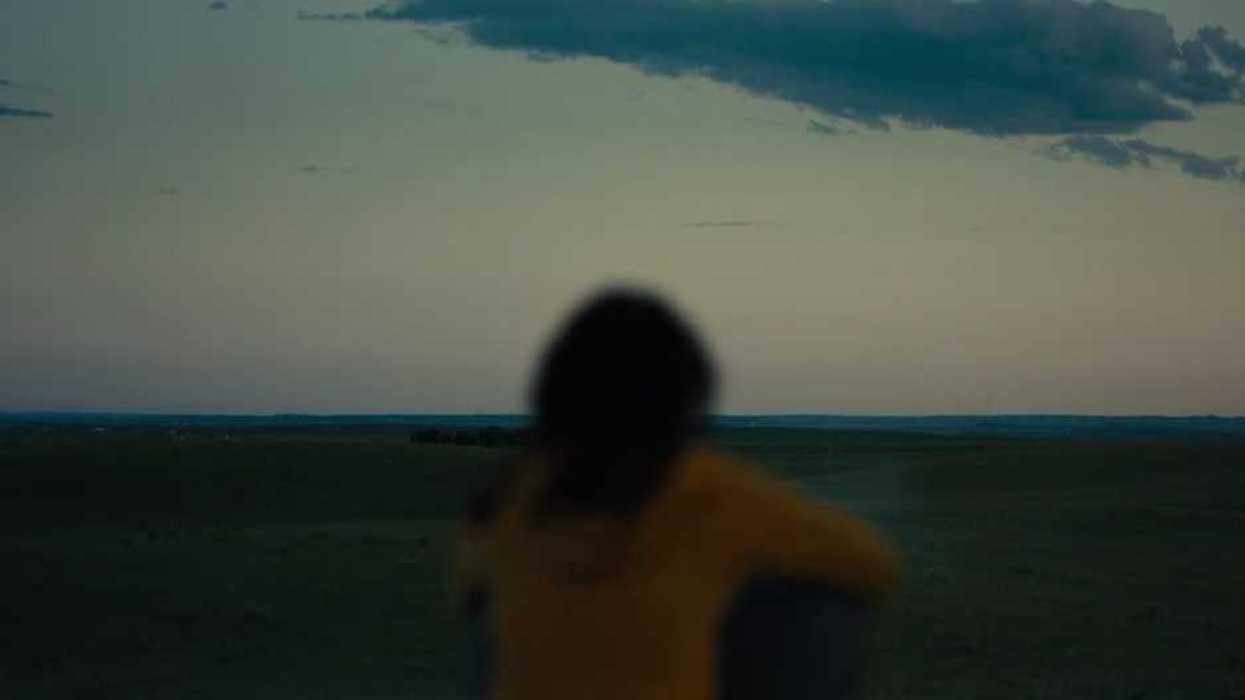
Her other signature move is shooting at dusk, which is sometimes called "the blue” or “blue hour.” By orienting the camera toward where the sun just set rather than away from it, you hold the ambient sky light much longer. The result is a cool, diffused glow that feels authentic and emotional.
It requires precise scheduling and quick work, but the payoff is absolutely beautiful.
 American Honey Credit: A24
Jean-Marc Vallée
Dallas Buyers Club was shot with almost no supplemental film lighting. That sounds like minimalism, so it seems like it would be easier, right? Wrong. They were able to do this because of obsessive prep work.
Vallée and his team found locations that already had expressive, motivated light built in. Places with street lamps, motels with exterior fluorescents, and rooms with windows and lamps. They designed scenes around those conditions rather than importing light into them.
They also leaned on fast Zeiss lenses (T/1.3) to gather as much available light as possible. (A faster lens has a wider maximum aperture, which means it can gather significantly more light than a slower lens.)
They used practical sources like table lamps and neon signs as the primary illumination, sometimes subtly shaping them (pointing lamps downward, bouncing off tables) for a softer result. Bounces were still used elsewhere, and actors were thoughtfully positioned, again to get backlight or side-light when appropriate.
Their camera could do this because the ARRI Alexa had the dynamic range necessary to shoot this way, capturing both shadow and highlights in detail.
Michael Haneke
Amour looks like a documentary shot in a real Parisian apartment, but it was filmed almost entirely on a build with zero natural sunlight.
Haneke and DP Darius Khondji bounced massive 20K film lights through windows to simulate soft daylight, placed soft space lights inside, used greenscreens outside each window to digitally swap in different weather and seasons, and carefully matched the light to the film's emotional arc as the story moved through time.
Shooting in a studio meant they could control exactly what time of year the light "felt" like. They were able to get soft, overcast days and warmer, harder light on summer days. What reads as naturalism was actually a meticulously constructed, fully artificial environment.
Okay, but say you’re an indie filmmaker. You don’t need a soundstage and 20K lights. Naturalism is only a goal, not a method. Haneke got there with complete artifice, while Vallée got there with almost no gear at all. The approach doesn't matter as much as the intention behind it.
- Learn How to Use Reflectors to Double-Bounce Natural Light into Your Scene ›
- Lighting Like a Pro: Using Bounced and Natural Light to Stunning Effect ›
- No Lights? No Problem—Four Ways to Manipulate Natural Light ›
- Tips for Managing Natural Light in Film and TV ›
- Why Your Lighting Looks "Fine" (And How to Fix It) ›
- How 'The Isolate Thief' DP Lit a Whole Movie in Prep ›