The 1968 Cult Classic Movie That Redefined the Zombie Genre
The George A. Romero film that gave birth to the modern zombie.
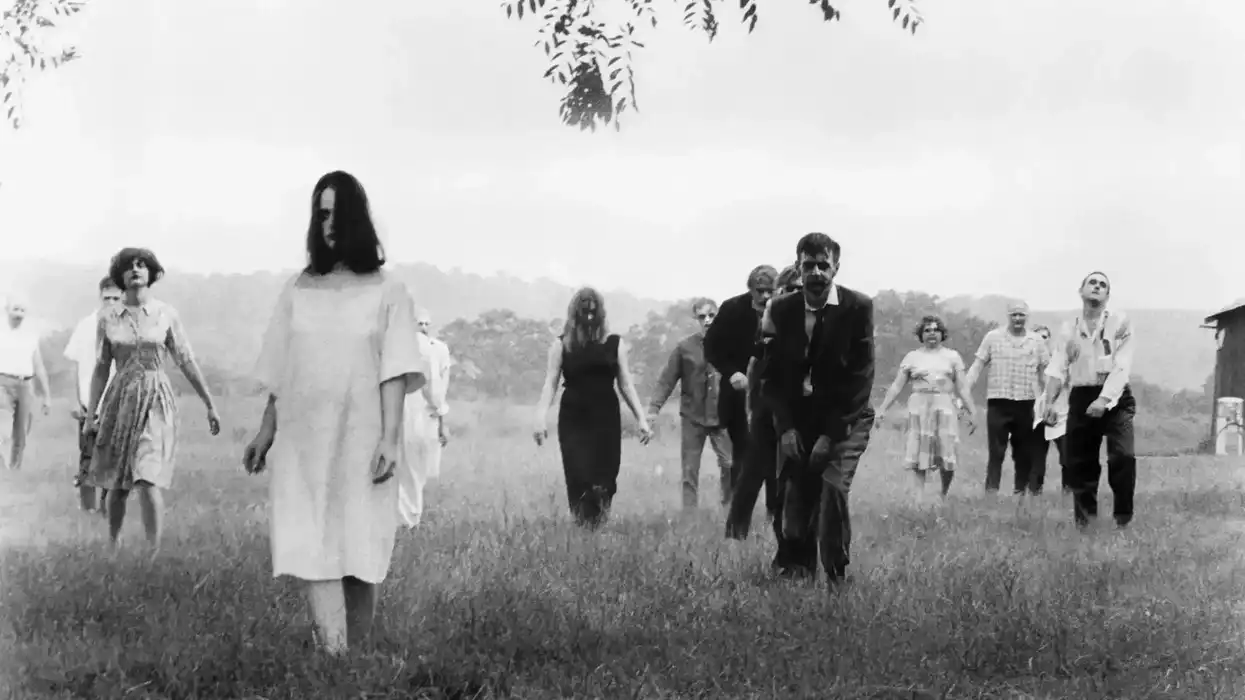
'Night of the Living Dead' (1968)
Released in 1968, when the phrase “zombie movies” didn’t yet evoke the flesh-eating monsters audiences think of today, George A. Romero’s classic, Night of the Living Dead (1968), marked a pivotal moment for horror cinema. Zombie films, such as White Zombie (1932), had existed before, but Romero’s film transformed the undead significantly.
While zombie movies have comfortably cemented themselves in the horror space today, Romero’s movie is credited with modernizing the sub-genre in the late ‘60s. It delivered unrelenting gore and social commentary in a darkly enticing manner that had not been done before.
The movie showed the world that the best of horror cinema could come from towering independent voices that did not need sizable budgets to scare, entertain, or commentate.
How did Night of the Living Dead redefine zombie horror? What kind of impact did it have on zombie movies as we know them today?
How Romero Redefined The Undead
George A. Romero transformed zombies from typical, almost robotically controlled creatures to more independent-minded, deadly, flesh-eaters who were driven by insatiable hunger. Human agency was not a part of their functioning, which made them all the more menacing and horrific.
Romero’s zombies in the movie were “ghouls” who attacked the living and spread their “infection” through contact. They could only be stopped by destroying the brain. Does this sound familiar? Obviously, yes. While we have seen the same “concept” leveraged in zombie movies and on television, George A. Romero’s Night of the Living Dead was the first film to put this up on screen.
Most of us have watched the zombie genre across different formats, and hence, it's easy for us to draw parallels. In fact, filmmakers often take advantage of our familiarity with the genre to turn conventions on their heads. Now, think back to 1968, when audiences weren’t as familiar with the subject the way we are today. It’s unquestionable just how shocking the experience must have been.
“Redefining” a sub-genre is perhaps even harder when the genre itself is incredibly dark and horrifying. This did not stop Romero from experimenting courageously to create what became a template followed by many filmmakers today.
Creating A Blueprint Unintentionally
Night of the Living Dead did not follow a blueprint; it created one. From the high-contrast, tormenting, black-and-white visuals of the undead moving slowly to the close-ups of them gobbling on human body parts, Romero’s film’s influence on modern zombie movies is unparalleled.
Very few movie sub-genres follow a defining blueprint like zombie films. While many modern films build on the foundation of classics, few can be considered as influential retrospectively as Night of the Living Dead.
Apart from the film’s obvious intensity and the visual depiction of the undead, its thematic integration of anxiety caused by the breakdown of a social structure has also become a template for zombie movies today. Slasher films such as Halloween (1978) and Friday the 13th (1980) showed us violence up close and perhaps drew inspiration from Romero’s classic.
There’s something so audacious about Romero’s visuals of the undead that is obviously tormenting but also attentive to detail. At no point in the movie does it seem budget-constrained, which is an achievement in itself considering how pathbreaking it was at the time.
Great zombie movies have frequently drawn individual attention towards zombie characters. What I mean is, zombies are often depicted singularly, in isolated moments. This is something that Romero does repeatedly and confidently in his film. The shots of the ghouls eating body parts, for example, are accompanied by a terrorizing silence. The scenes in which the zombies appear in a group are so brilliantly coordinated and horrifying that their influence on similar movies and television shows today is unquestionable.
Why The Template Continues To Hold
To begin with, George A. Romero must have never intended to create a template with Night of the Living Dead. Without attempting to make an example of his movie, he built a terrifyingly adaptable structure. Let me explain what I mean.
While every new zombie film attempts to reimagine what Romero did, it can “adapt” and invent new details and fit them into this structure. For example, what is the cause of the virus or the infection? What is the state of political order? These questions and the consequent adaptability of the subject are endless.
Now, this may not work in other genres as well as this one. That is because zombie movies have frequently been reinvented while holding the same foundations that can be seen in Romero’s film. Similar attempts have been made in the romance genre, but the volume of those films and television shows is much higher than the zombie sub-genre, which has managed to preserve its novelty, at least to some extent.
28 Days Later (2002) is a fascinating example of a film that takes certain elements from Romero’s film but reinvents others. In Danny Boyle’s film, the zombies are fast-moving, agile, and perhaps more intelligent. Other movies and television shows similarly adopt certain elements from Romero’s film and reimagine new ones, constantly reminding us of the undying influence of the 1968 horror classic.
Summing It Up
Night of the Living Dead remains one of cinema’s most potent “redefinition stories”. It’s a profound example of the limitless power of independent cinema and how the horror genre is perfectly conducive to experimentation. Decades later, George A. Romero’s film continues to endure, terrorize, and entertain, just like it did back in the late 1960s.
Which is your favorite zombie movie of all time? Tell us in the comments below.- The Discourse Around The Zombie Dong in '28 Years Later' ›
- What is the History of Zombies? ›
- Undead and Undeniably Great: 8 Best Zombie Movies of All Time ›
- 9 Funny Zombie Movies That’ll Leave You Dying of Laughter ›
- Infographic: Trace the Zombie Epidemic in Pop Culture Back to Its Source ›
- 100 (More) Terrifying Horror Writing Prompts | No Film School ›
- What Is Cozy Horror? The Subgenre Where Creepy Meets Comfort | No Film School ›
- How to Write a Great Horror Movie | No Film School ›
- The 5 Smartest Survivors in Zombie Movie History ›