The Deleted ‘Shawshank Redemption’ Scene Where Red Has a Panic Attack
A lost scene from Red’s new life.
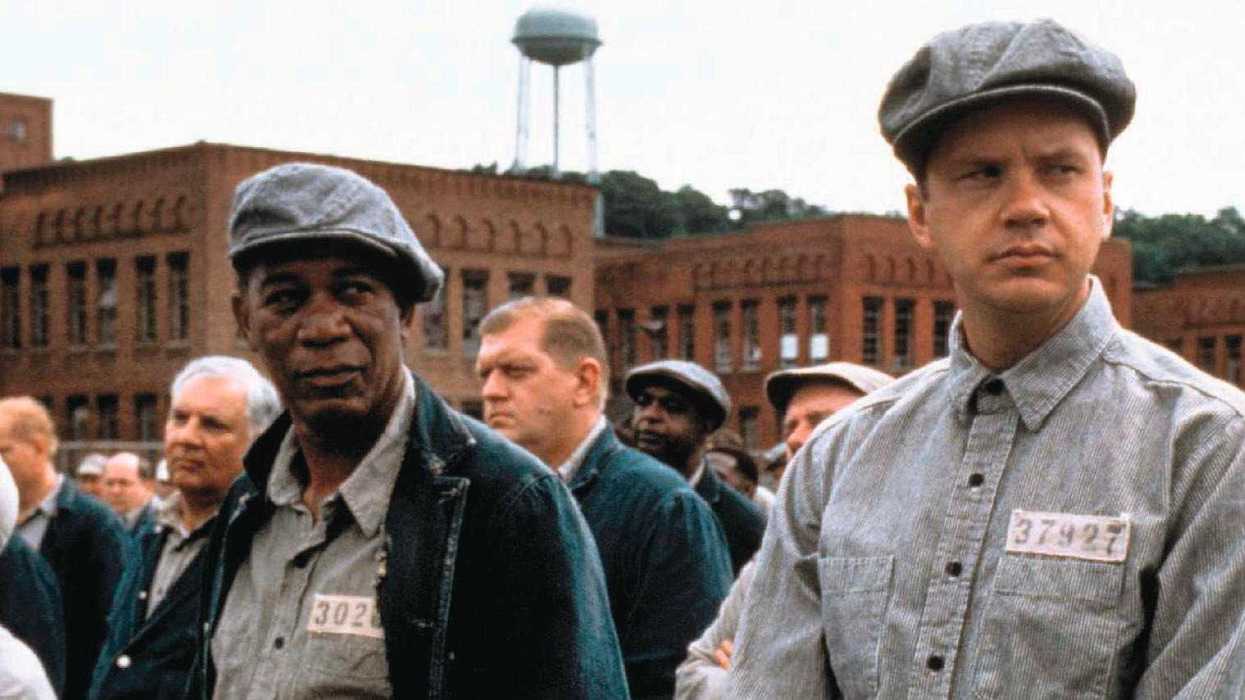
The Shawshank Redemption (1994)
The Shawshank Redemption (1994), directed by Frank Darabont, is one of the most fascinating cinematic explorations of hope. Based on a novella by Stephen King, the movie is widely revered for its powerful emotional core, exhilarating ending, and the iconic friendship between Tim Robbins’s Andy Dufresne and Morgan Freeman’s Red.
However, the greatness of the movie isn’t limited to what the audience actually saw on screen. Director Frank Darabont quietly cut out a strong, emotionally charged scene from Red’s post-prison life.
Like in most movies, not every scene a filmmaker shoots can make it into the final edit. This particular scene, set in a grocery store, did a great job of portraying Red’s struggle with adjusting to life after spending decades in prison.
What was this grocery store panic attack scene about? What can its exclusion teach us about hard decisions that go into the process of film editing?
Let’s jump right in and explore.
The Panic Attack Scene
If you remember, in Red’s post-prison life, he works at a grocery store. The film does a fabulous job of portraying his fear of authority, especially when Red asks his supervisor if he can go to the bathroom. The entire sequence is almost cut to perfection. It gives us a strong glimpse of Red’s emotional and professional struggles without even slightly affecting the film’s pacing. So, when did the panic attack happen?
Well, precisely when Red is working at the grocery store, a deleted scene shows a child pointing a toy gun at him. Even though the child’s act is entirely playful, Red’s past trauma immediately kicks in. His senses are overwhelmed, and his mind goes back to the last time he was a free man, perhaps the violent history that got him into prison in the first place.
Red quickly excuses himself, rushes to the bathroom, and slumps to the floor in panic. He huffs against the walls of the cramped stall as his breathing terrifyingly fluctuates. Captured effortlessly by Morgan Freeman, this scene runs in an emotionally parallel manner to the sequence that sees Brooks struggle and tragically end his life after being released from prison.
Why The Scene Did Not Make The Cut
While we can easily revisit scenes from great movies that did not make the final cut, a director has to consider a long list of factors before deciding whether to include or exclude a particular scene. Quite often, a film’s expected pacing at the script level is vastly different from what happens when we watch the movie. Some scenes end up being performed more slowly than imagined, while certain sequences take more screen time than expected. Regardless of the reason, a director has to consider their overall vision for the project and prioritize it over singular moments, no matter how strong they might be. Here’s an important quote by Frank Darabont that gives us tremendous insight into the sequence.
“We were just taxing the audience's patience, waiting for Red to get to the tree, with something they already knew. There was no new information. There were new scenes, but no new information. Oh man, we couldn't get back to the editing fast enough. It was like pulling a thorn out of our butts, losing that five minutes of movie, and then the movie just flowed beautifully from there."
There are multiple filmmaking lessons in Frank Darabont’s words. Firstly, he talks about “something the audience already knew”. By this, he means the audience expected Red to reach the tree and eventually meet up with his long-lost friend, Andy Dufresne. This isn’t a case of simple predictability; it’s about getting where everyone knows you’re intending to go.
Secondly, he talks about the lack of new information. While the deleted scene provides something fascinating and terrifying to think about, in a general sense, he is absolutely right. We already know that Red struggles with his post-prison adjustment. The audience can perhaps also map out the similarities with Brooks’ freedom trajectory (which is what makes Red’s freedom even more worrying). So, the five-odd minutes of “no new information” were justifiably cut out.
The Hard Decisions Of Film Editing
A film’s pacing is often decided by factors that cannot be expressed in logical terms every time. Sometimes, a scene may work well, but we have to remember that it doesn’t exist without a movie and its context. It may not be a slow scene, and it may be emotionally powerful; however, it might cause a cinematic and artistic delay in getting towards the next crucial element.
Great filmmakers are masters of pacing. They can insert long, silent sequences into an edit mix, and the movie may still not feel slow. However, sometimes, especially for a film like The Shawshank Redemption, which has a philosophical ending, it is understandable that Frank Darabont wanted to “get to the end” without repeating information.
Finally, in such a situation, we also have to consider thematic similarity. The film already shows us Brooks’ difficulties with adjusting to post-prison life that culminate tragically with his death. This perhaps provided Darabont with a strong reason not to repeat a similar emotional trajectory with Red. Hinting at his struggles through scenes such as the bathroom request moment at the grocery store already told us what he was going through. There was no need for emphasis.
Film editing is a complicated and fascinating process. We can only imagine how hard it must have been to watch a powerful Morgan Freeman scene tumble out of the final mix. However, that’s what makes great directors, well, great directors. They make bold decisions without fear and, most importantly, deliver a great film regardless of what goes out.
Summing It Up
Red’s deleted scene at the grocery store adds another layer to his journey, but in the larger context, it might have slowed down the journey to the film’s epic ending. Frank Darabont’s bold decision did not hamper the movie; it made the ending even sweeter.
Which is your favorite deleted scene of all time? Tell us in the comments below.