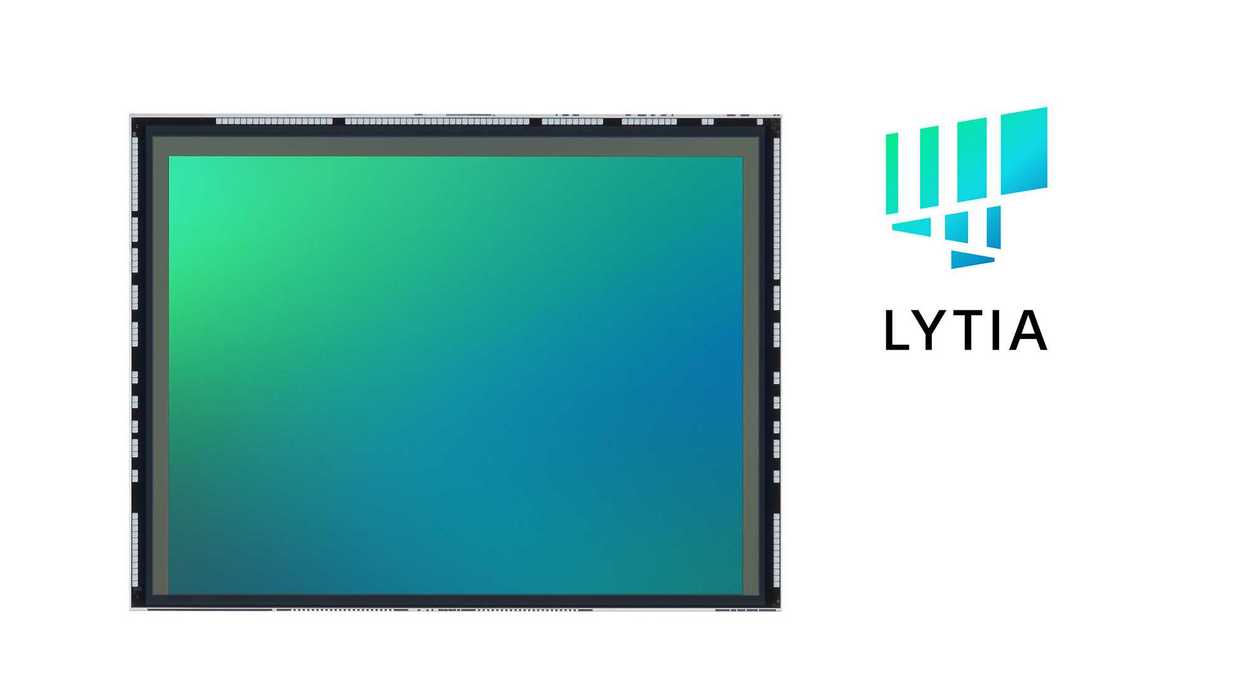
A new revolution is coming and, thankfully, it’s not AI. Well, AI might be a part of it in some way; you never know, but it’s not a new generative AI video model, and it’s not a new AI-powered tool. It’s a new image sensor that Sony Semiconductor Solutions has just announced will be released soon.
The LYTIA L910 is a new, approximately 50-effective-megapixel image sensor designed primarily for mobile applications and is set to deliver 100 dB high-dynamic-range imaging with low power consumption. Here’s what you need to know about this new, non-AI technology.
Sony LYTIA L910 Image Sensor
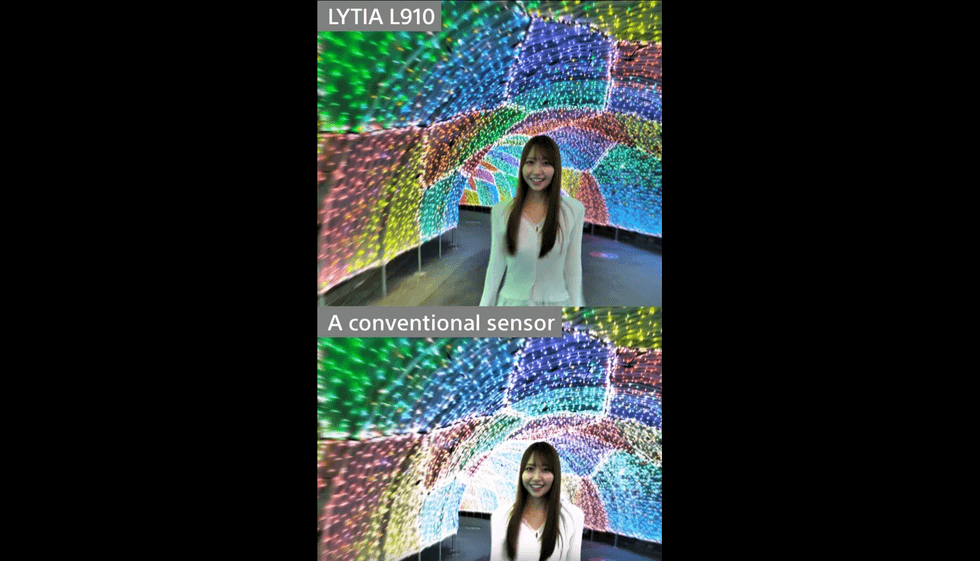
So, what’s most interesting about this new image sensor isn’t the sensor itself, per se; it’s the technology behind it. In particular, the L910 is the first product in Sony’s LYTIA lineup to utilize the LOFIC structure, which is set to introduce new HDR and logic-circuit technologies to help reduce random noise in dark areas of images.
These technologies should further enable high-quality imaging by reducing highlight blowout in bright areas and noise in dark areas, which are usually the main causes of low image quality in most modern digital photo and video cameras.
As far as future specs go, the LYTIA L910 promises to offer HDR video recording at 4K, 60 fps, which Sony acknowledges has been popular recently, as well as new ways to maintain low power consumption through more optimized circuit design.
What Comes Next
While this is exciting news for the future of next-generation cameras, it’s important to note that there are no announcements about this new sensor technology coming to anything other than smartphones for now.
However, as with all new technologies, the tech eventually trickles down to other areas, and it wouldn’t be surprising to learn that Sony has figured out a way to make this or similar tech available in new cameras or other gear in the near future.
So hang tight, and we’ll keep you up to date on these emerging technologies in the film and video space.
- Sony’s Most Popular Alpha Cameras Are Getting Major Autofocus Upgrades ›
- Why You Should Consider "Baking In" This LUT When Using Sony Cameras ›
- Get Discounts on Some of Sony's Most Popular Digital Cameras With These Deals ›
- Vastly Improve the Operability of Your Sony Cameras With These Helpful App Updates ›
- Sony Doubles Down on Content Authenticity By Expanding Its Verification Technology to More Cameras ›