“Rebellions Are Built on Hope”— From ‘Andor’ To ‘Rogue One’
These two Star Wars stories made hope the foundation of rebellion.
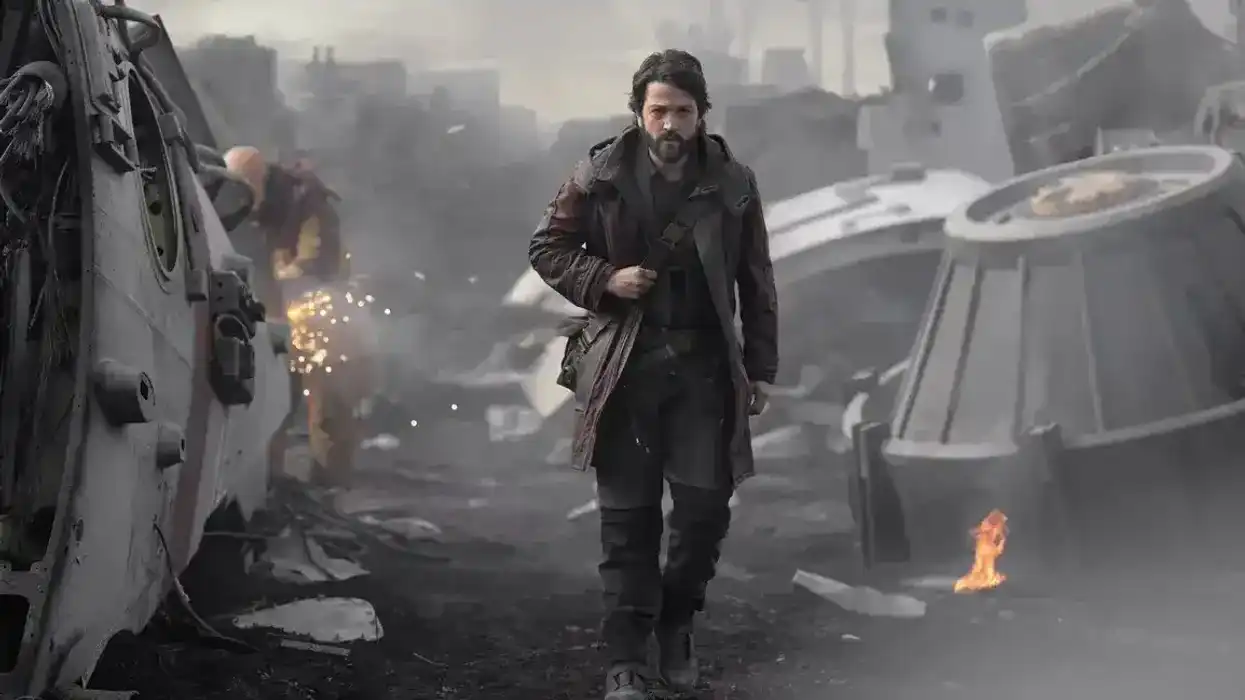
'Andor' (TV Series 2022-2025)
Every good rebellion story starts with an impulse for change. Initially, it may be whispered, but soon, it turns into the voice of a large group of people. However, each of these stories must be built on a strong foundation that holds it together.
Both Andor (2022-) and Rogue One: A Star Wars Story (2016) are built on the foundation of hope. From singular acts of defiance to collective resistance, both these stories inherently believe that a small spark can bring about an ultimate change.
How do Andor and Rogue One: A Star Wars Story leverage the idea of hope into their storytelling? And what can this teach us about character motivations?
Let’s jump right in.
Hope As A Foundation For Storytelling
Both Andor and Rogue One: A Star Wars Story fuel their stories with hope in a limited but critical manner. Hope isn’t referenced now and then; in fact, it serves as a silent guardian and a binding force that organically grows as both these stories progress.
The idea of hope can be leveraged in multiple ways in a film or a TV show, but broadly speaking, it can create optimism or act as a force of persistence. Depending on the type of story, either of them can work, but both of these Star Wars stories focus on using hope as a fuel for persistence, and that works perfectly well.
It offers the characters a willingness to act and keep going, even when things don’t work out. In Andor, for example, hope quietly emerges from the shadows. Cassian Andor’s (Diego Luna) journey begins with survival, yet through his initial encounters with Luthen Rael (Stellan Skarsgård) and Mon Mothma (Genevieve O’Reilly), it evolves into a thought that suggests change is possible, even if it comes at great personal cost.
When hope appears as a glimmer, it gives the characters a lot to lose, eventually making the story more gripping. If hope is served on a platter, everything seems easy and inevitable, which isn’t the case for either of these two stories.
In Rogue One: A Star Wars Story, “rebellions are built on hope,” echoes as a mantra for a mismatched team putting everything at risk to steal the Death Star plans. Hope here does not sound like baseless idealism, but an emotional appeal that rallies diverse allies to fight for the same cause, no matter how overwhelming.
In both of these Star Wars stories, hope plays a crucial role in the storytelling, countering the Empire’s strategy of fear and division. It shows us that strong individual beliefs in a powerful cause can bring unlikely allies together to fight against a common enemy. Like every good story about hope, both of these begin with an impulse, a whisper to bring change, and through perseverance, it turns into a fiery revolution. Ultimately, these Star Wars stories tell us that the greatest rebellions endure not because of weapons and gadgets but because of the persistence of hope.
What These Stories Teach Us About Character Motivation
Both Andor and Rogue One: A Star Wars Story provide us with profound insights into character motivations in storytelling. In both of these stories, rebellion does not stem from mystical forces but from the characters’ response to oppression and suffering. This makes the character’s motivations human, relatable, and poignant.
In Andor, Cassian Andor begins as a survivor who encounters systemic injustice, such as the Aldhani heist and prison labor, which accumulates rage within him and fuels his motivation. In Rogue One: A Star Wars Story, Jyn Erso (Felicity Jones) also begins as a detached survivor who lost her parents to the Empire, which deepens her drive for redemption. In both cases, the idea of resistance is born from hope; the belief that individual suffering can contribute to a larger, more important purpose. This belief makes action feel necessary even though the outcome is shrouded in uncertainty.
Character motivation arises from a strong belief that, however remote, a change is possible. Authentic human responses often create the greatest storytelling foundations for rebellion. They are built on relatable human emotions such as guilt, love, rage, and empathy, not just the need to be a hero. Hope is a transformative force in both of these stories. Trauma and despair fuel defiant action against a tyrannical force.
How To Use But Not Overuse The Idea Of Hope In Your Story
Here are a few things writers can learn from how Andor and Rogue One: A Star Wars Story use hope in similar but also different ways.
It Must Be Earned
For the audience to empathize with the characters, their hope must feel earned. As we’ve witnessed in both of these Star Wars stories, letting viewers experience the protagonist’s pain and suffering will only lead to empathy and relatability.
Restraint is Important
Overemphasis on hope, or anything for that matter, can be detrimental to your story. Hope is a foundational and profound emotion that must not be overstated. It has to feel like an undercurrent to your story. If you have to use the word or emphasize the idea, save it for the pivotal scenes.
Doubt is a Weapon
If you want the idea of hope to feel more real, it has to be accompanied by the idea of doubt. As human beings, we are likelier to relate to a character’s motivation if it doesn’t feel impractically relentless. Now and then, doubt must creep in. Characters must question themselves, and only then will hope be victorious. Let the hope fight doubt. If there is no doubt to fight, we won’t know how strong the hope is.
Final Thoughts
Andor and Rogue One: A Star Wars Story both portray strong ideas of rebellion and resistance by humanizing instead of romanticizing them. The relatability factor makes a massive difference in how the audience perceives the story and its characters. These heroes are heroes because they decided to act against dark forces on the slightest glimmer of hope; change is possible, and rebellion is the only way.
What is your favorite quote from these two stories? Tell us in the space below.