The Strudel Scene in ‘Inglourious Basterds’: A Villain at Work
The “apple strudel scene” shows Hans Landa escalating tension and fear through patience, politeness, and psychological play.
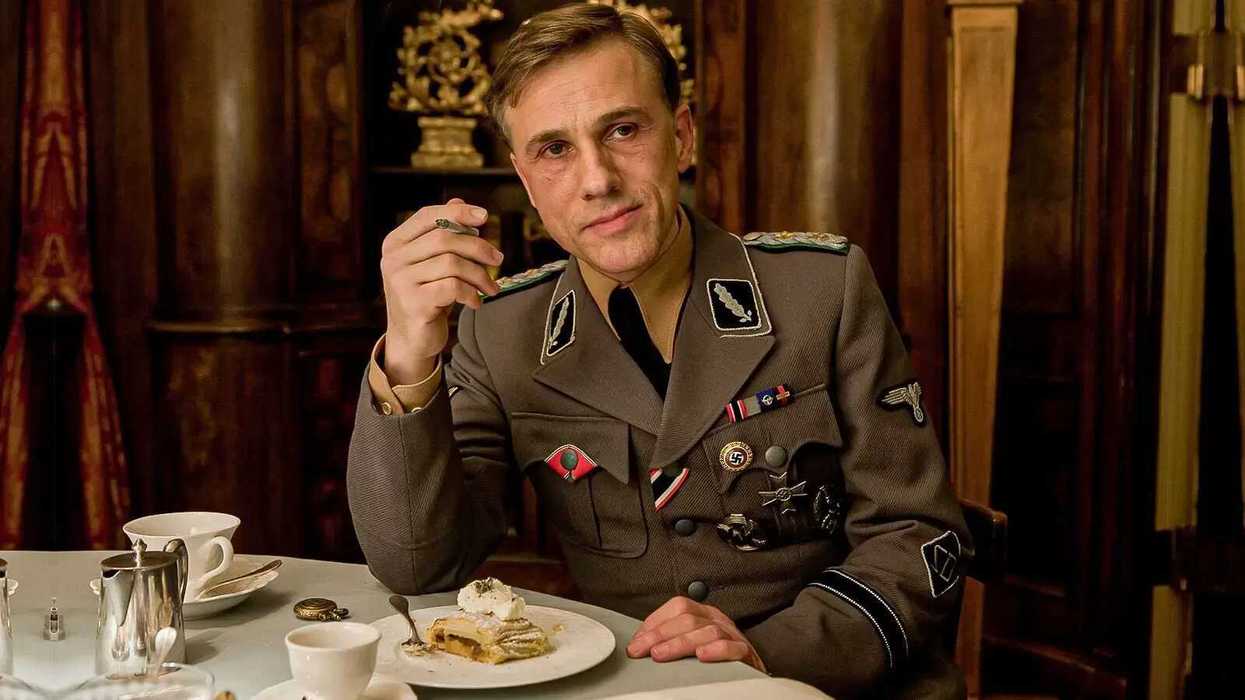
Inglourious Basterds (2009)
Quentin Tarantino seems to like using food-related scenes to create tension. For example, the opening breakfast scene in Reservoir Dogs (1992), the diner hold-up scene in Pulp Fiction (1994), and the Candyland dinner scene in Django Unchained (2012). He takes an idea of delicious food nourishing the soul (and tummy) and turns it into a contrasting background for something totally vicious and violent.
The “apple strudel” scene from Inglourious Basterds (2009) is one such iconic movie moment. No, it doesn’t have any shouting, killing, or threats. None of that. In fact, it’s a nice and warm atmosphere. There is apple strudel with cream and un verre de lait for the lady. The gentleman at the table is polite.
And yet, beneath every bite of the apple strudel festers the truth—the man is a sadistic killer who may or may not know the lady sitting across from him is the one he is hunting for.
This is where Tarantino does what he does best: squeezing out the farcical politeness until it slaps you across the face and reminds you it doesn’t need your reciprocal smile; it needs blood.
Setting Up the Scene
The Power Dynamic Before the Dessert Arrives
At the start of the film, SS-Standartenführer Hans Landa (Christoph Waltz) interrogates a dairy farmer who is hiding a Jewish family under his floor. Landa kills the entire family, except one, Shosanna (Mélanie Laurent), who escapes. Landa promises to find her.
Three years later, Shosanna is hiding out under a different name, Emmanuelle Mimieux, and operates a cinema in Paris. She encounters a Nazi sniper, Fredrick Zoller (Daniel Brühl), who takes a liking to her. Fredrick is set to star in a Nazi propaganda film. In an attempt to impress (score with) Shosanna, he persuades Joseph Goebbels (Sylvester Groth) to premiere his movie at her cinema.
Shosanna is invited to a dinner with Goebbels, Frederick, and other Nazis to acquaint them with each other. One of the guests turns out to be Hans Landa, who is appointed as the head of security for the premiere event. As everyone else leaves, Landa insists on talking to “Emmanuelle” and learns about the venue.
Despite being a Nazi, Fredrick is concerned. Landa is not a regular Nazi. He is highly intelligent and manipulative and has an uncanny ability to deduce the hiding places of Jews. This has earned him a nickname: a Jew Hunter. Even other Nazis are wary of him; that alone says a lot about Landa.
Shosanna has recognized him and understood that she is in an extremely dangerous situation.
Landa’s Courtesy and Politeness: A Tool, Not a Mask
Politeness, civility, and courteousness, for Landa, are not pretense, and definitely not social etiquette. They are his methods of psychological manipulation, and he uses them as deliberate and functional tools. He uses them to put his subjects (which he equates with rats) at ease. And just when they settle in this false state of comfort, he pounces, exposes their secrets, and dooms them to a painful death.
In this scene, he takes a gentlemanly initiative and orders apple strudel and coffee for himself and a glass of “milk” for her. It would be interesting to notice that, when she escaped Landa, Shosanna was hiding under a dairy farmer’s floor. So, this order creates ambiguity around his knowledge of “Emmanuelle’s” true identity. It also symbolizes their dynamic: coffee, a strong, aromatic, vibrant beverage, and milk, in stark contrast, plain, pale, stripped of character, and deliberately infantilizing.
He speaks to her with practiced warmth and compliments her. These gestures force her compliance and deny her any moral ground to resist. He chooses where to sit. He decides what, when, and for how long to speak. Shosanna doesn’t initiate anything; she only replies.
Every pause Landa takes, every change of expression, is a concealed landmine of exposed identity.
Language, Direction, Subtext
Tarantino’s Cinematic Language
The camera alternates between tight close-ups and still shots, emphasizing the discomfort of proximity. The clink of fork against porcelain, the faint hum of the cafe—these aren’t random details but pressure points. The rhythm of the dialogue moves like a ticking clock, one that only the audience can truly hear.
Subtext and Escalation
Every detail—Shosanna’s clenched expression, Landa’s calculated half-smiles—operates beneath the spoken conversation. Tarantino builds a dialogue between fear and performance: who knows what, and how much of that knowledge is deliberately hidden? By the time Landa leaves, Shosanna’s relief feels like an exhale after suffocation.
Conclusion
Power is defined by who wields it. A pistol can be an instrument of peace in the right hands, and a strudel can become a tool of evil in the wrong ones. This scene proves that everything that’s admirable (or delectable)—dessert with a dollop of whipped cream, good manners, charm, a warm atmosphere—can turn unpleasant when you are in the wrong company.
Landa is the kind of villain who enjoys the hunt more than he enjoys the kill, and that makes him more nefarious. He enjoys the pain and fears of others. He loves their misery. Every time he smiles or shows any morsel of etiquette, he is practically enjoying the show.
The scene proves that a real wicked mind doesn’t need actual violence or aggression to be evil; just a moist dessert and a spoon is more than enough.
- What Made Hans Landa One of the Greatest Villains of All Time? ›
- Do You Know Who Directed the Film-within-a-Film for 'Inglourious ... ›
- Hans Landa’s “That’s a Bingo!” — Tarantino’s Masterclass in Tone and Tension ›
- Watch: How Tarantino Creates Nail-Biting Suspense in 'Inglourious ... ›
- 10 Movie Writing Tips Inspired by Quentin Tarantino's 'Inglourious ... ›
- How Did Tarantino Build Crushing Suspense in 'Inglorious Basterds'? ›
- 7 Things You Can Learn From How Tarantino Wrote 'Inglourious ... ›
- How the Opening of 'Inglourious Basterds' Reimagines 'The Good ... ›
- The Perfect Villain: How Hans Landa Turned a Simple Goodbye Into a Death Sentence ›
- Inglourious Basterds Opening Scene ›
- Iconic Villain Moment: Anton Ego - One Bite Changes Everything | No Film School ›