Have you ever just had a really crappy day? All you want to do is go home, put on your comfy clothes, curl up on the couch, and watch your favorite movie.
Somehow, that does make things better.
But what makes a movie "comfortable"? It’s a hard thing to pin down. For some, it’s the childhood nostalgia of a grainy VHS tape. Maybe it's the snack you eat while watching it, or just the fact that you're on your couch.
For others, it could be the predictability of a rom-com where the stakes never go beyond a missed connection, and it's all resolved neatly at the end.
What we find soothing says a lot about what’s currently stressing us out. And that shifts as we get older and as different things happen in our lives.
Let's dive in.
- YouTubewww.youtube.com
The "Dad Movie" and the Comfort of Competence
I just had a kid, and currently, I am all in on movies that have a ton of competence. That means The Martin, Project Hail Mary, or any men-on-a-mission movie where things seem to work out because they do the right thing.
But if you look back on the middle of the 20th century, comfort was usually tied to the idea of order.
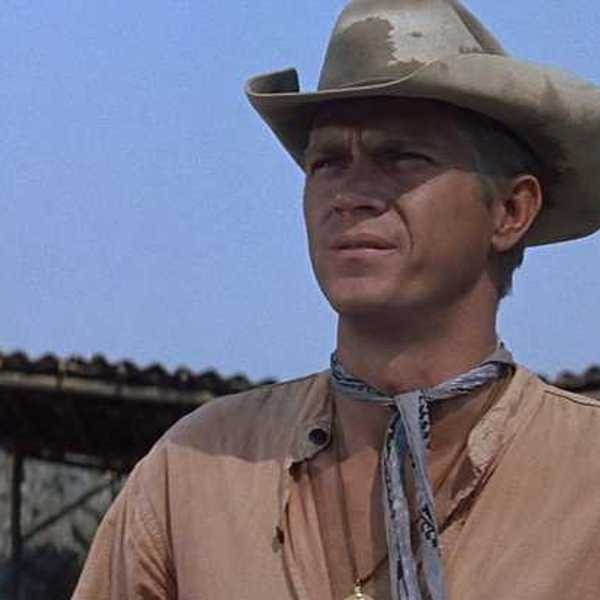
This was the era that built the foundation for what we now call ultimate dad movie classics. Think The Great Escape or The Bridge on the River Kwai.
Movies for audiences living through the Cold War or the aftermath of WWII.
Times when Bond girls had funny names.
These people needed deep, soul-level relief in watching people who were exceptionally good at their jobs. Because it felt like a lot of the world was taken from them by people bad at their jobs.
Those comfort movies offered a world where moral lines were clear, and problems could be solved with a solid plan.
 'Project Hail Mary' Credit: Amazon
High Energy and the Power of the Catchphrase
By the time the 80s rolled around, that stoicism started to feel a bit stiff. Comfort shifted toward a kind of kinetic, neon-soaked optimism.
People believed a better world was coming.
And back then, we wanted to feel like we could outrun any problem as long as we had a killer soundtrack and the right attitude.
It’s the reason we still cling to these films today.
The unforgettable '80s movie lines from hits like Back to the Future or The Princess Bride have basically become a second language to film fans who watch them to get through those long days.
And as the Berlin Wall fell and we got into the '90s, there were movies that generation carries with them to explain what's coming.
 'Princess Bride'credit: Paramount
The Pixar Pivot: Vulnerability as a Safety Net
In the last twenty years, something interesting happened. We stopped looking for heroes who had it all figured out and started looking for characters who were just as overwhelmed as we were.
I think that was probably caused by 9/11, the war on terror, and the unexplainable violence that has gone along with it.
Modern comfort watches often prioritize "the feels" over the plot.
People want to dig into heartbreak.
We see this in the way iconic Pixar quotes have migrated from the screen to coffee mugs and tattoos. Or posters that even adults without kids have on their walls.
Movies like Inside Out or Coco don’t offer escape so much as they offer a safe place to process things like grief, growing up, and failure.
Stuff that happens to everyone.
In a society that finally started talking about mental health, comfort became about being seen, not just being entertained.
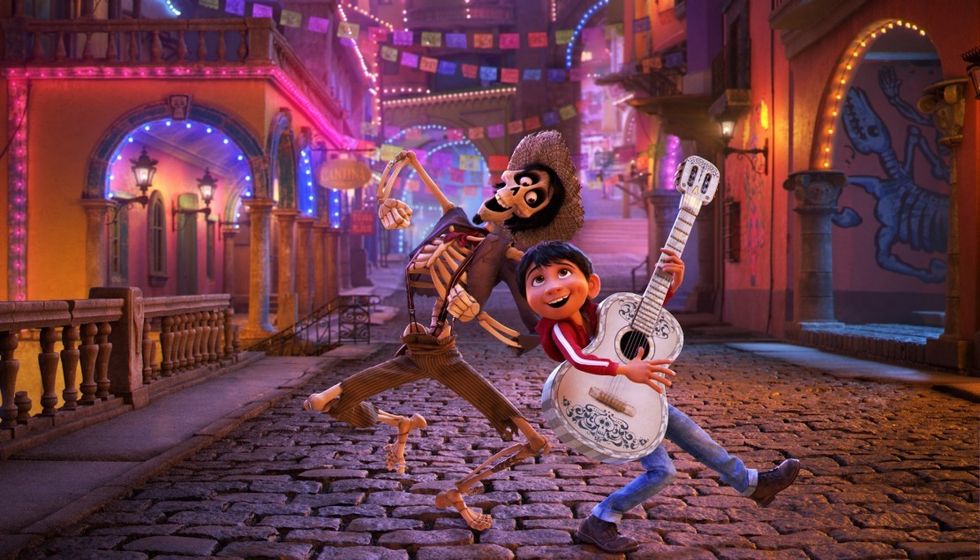 'Coco'Credit: Pixar
Why We Rewatch the Heartbreak
Why do we love sad movies? Well, there’s a strange, cathartic peace in watching a story reach its natural conclusion.
And when we know it's coming, we understand how to process it omore and we can react in the perfect way, which is secretly comforting to us.
When we revisit the best movie goodbye scenes, we aren't looking to be miserable.
We’re looking for the reminder that things ending, even if it hurts, is part of the deal. In a world of endless sequels and "content" that never seems to stop, a definitive, beautiful ending is its own kind of luxury.
Even a movie like 500 Days of Summer is built on that aspect of cinema-going. It's about how to process moving onward, and also not to forget how the past created who you are and who you're going to become in the future.
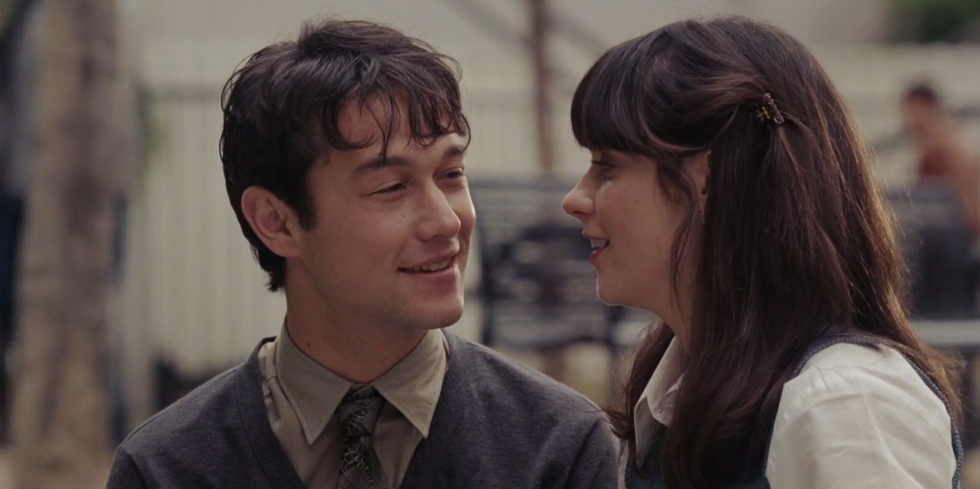 '(500) Days of Summer'Credit: Searchlight
The Modern "Vibe" Watch
Today, the definition of a comfort movie has widened to include films that are basically just a mood. Sometimes you don't want a narrative arc; you just want to live in a specific aesthetic for two hours.
I love Wes Anderson movies because they just take you somewhere a little different. Somewhere, you may need to feel something clearly.
Look at the current list of movies that have become comfort watches for people today.
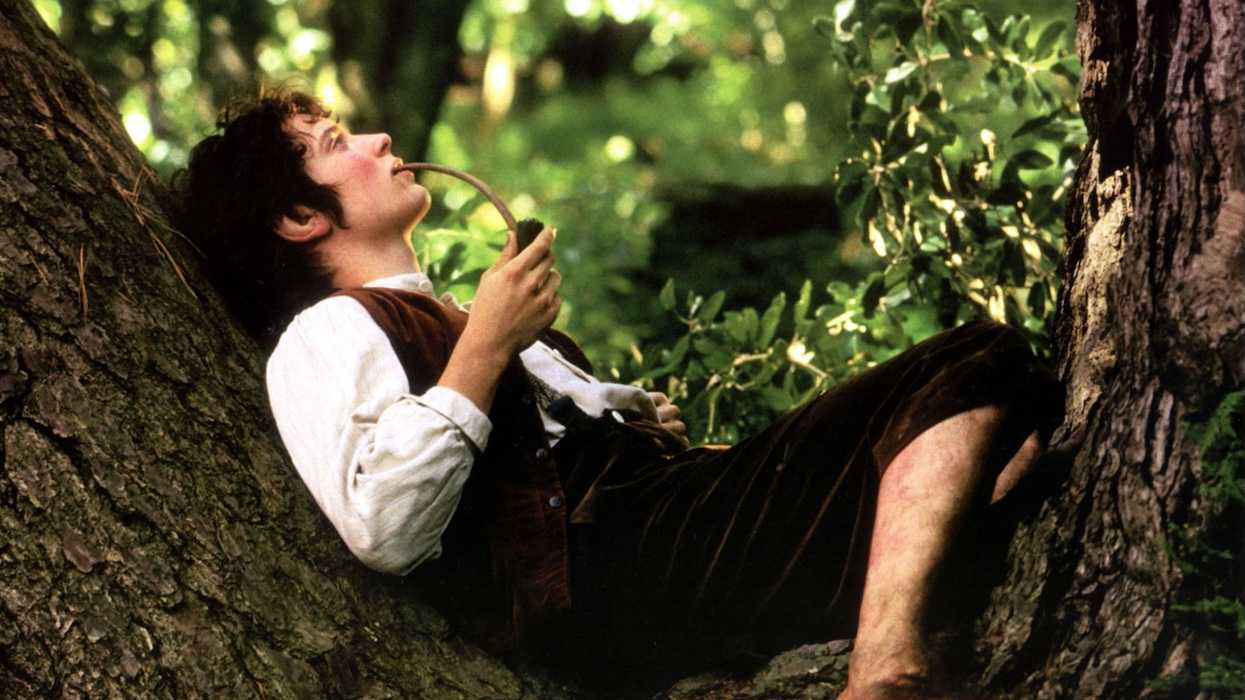
It’s a wild mix. You’ve got the low-stakes, high-fashion mystery of Knives Out sitting right next to the massive, sprawling world of Lord of the Rings.
What they share isn't a genre, but a sense of immersion in a world.
They offer a world that is either more manageable than ours or so much bigger that our own problems feel small by comparison.
They all have clear good and bad, and they have answers to problems that feel attainable.
 'The Lord of the Rings'Credit: New Line Cinema
Summing It All Up
When we’re feeling powerless, we watch movies about competence. When we’re feeling isolated, we watch movies about connection.
And when we just need a darn break from the world, we watch movies about hope and love.
So, the next time you find yourself hitting "play" on that movie you’ve already seen fifty times, take a second to ask yourself why.
You might find that the film is giving you exactly what the real world is currently holding back.
And I hope you find comfort no matter what.
Let me know what you think in the comments.