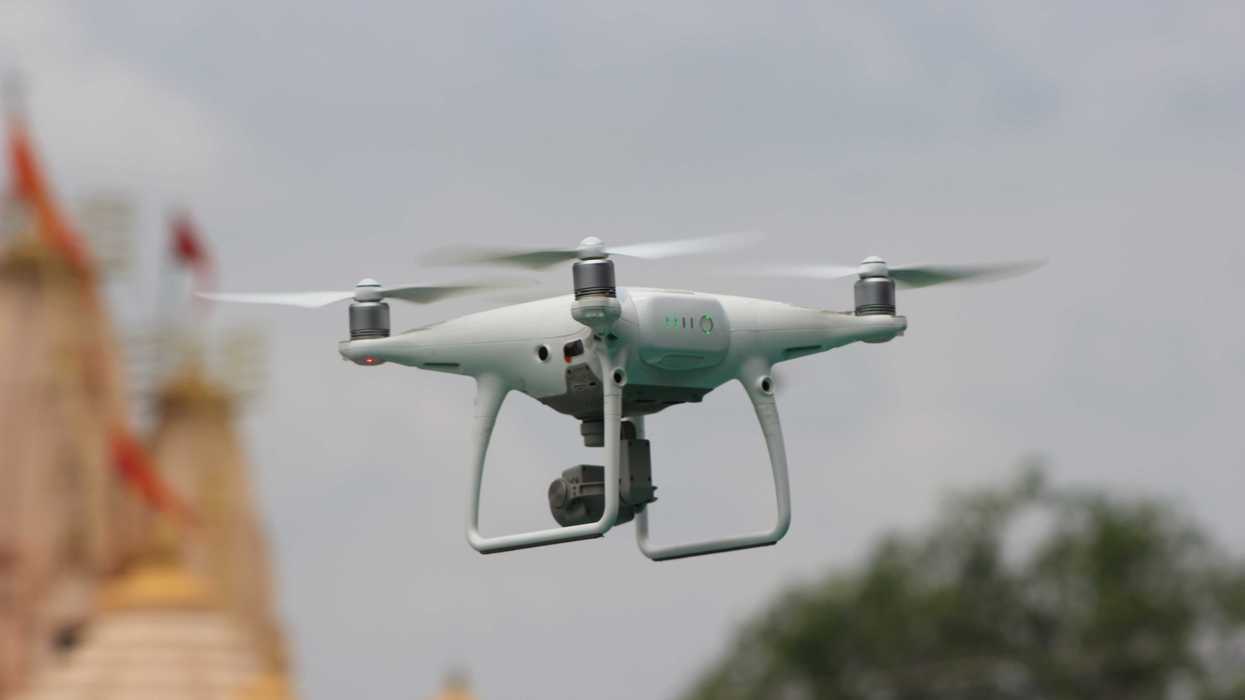
For filmmakers and videographers, the introduction of affordable aerial drones with built-in cameras was a game-changer. It introduced a new level of aerial cinematography, previously available only to those with budgets to rent helicopters or other expensive drone and camera rigs.
Yet, while the technology has advanced, some might argue that there hasn’t been enough diversity in the marketplace, as one company pretty much took over the airspace for photo and video drones in the US and abroad.
However, with DJI facing a US drone ban on its newest products, a new white paper has been published urging those in power to do more than just issue bans. Let’s take a look at this push to advance the domestic drone industry and see if these reforms can actually help bring more products and options for filmmakers to the skies.
Advancing the Domestic Drone Industry
In a new white paper published by the Commercial Drone Alliance titled “Advancing the Domestic Drone Industry,” we get a pretty clear and passionate plea for Washington to do more than just write bans, but to actually help develop and promote new companies to develop drones for all types of purposes (including pro video work) here in the US.
The white paper is actually a pretty interesting read, as it goes over the current state of the drone industry in the US and the challenges American companies face as they move into this space. Some of the biggest issues include:
- Cost Barriers: Domestic manufacturing often entails higher labor and material costs, potentially impacting price competitiveness and broad market adoption.
- Regulatory Compliance: Navigating new FCC requirements alongside other federal regulations and standards adds complexity for domestic manufacturers and operators, increasing timeline uncertainty and investment risk.
- Supply Chain Fragmentation: The absence of integrated domestic suppliers complicates the sourcing of high-quality components and materials.
- Workforce Development: The U.S. has a shortage of skilled labor in precision manufacturing, electronics assembly, and drone-specific engineering.
- Technology Gaps: U.S. manufacturers may lack access to advanced technologies and intellectual property that underpin competitive drone products, including the “machines that make the machines.”
However, despite these cost barriers, supply chain fragmentations, and technology gaps, there is hope for more domestic development in the future. And the CDA paper outlines policy recommendations it would like to see lawmakers in Washington, D.C., pass here soon.
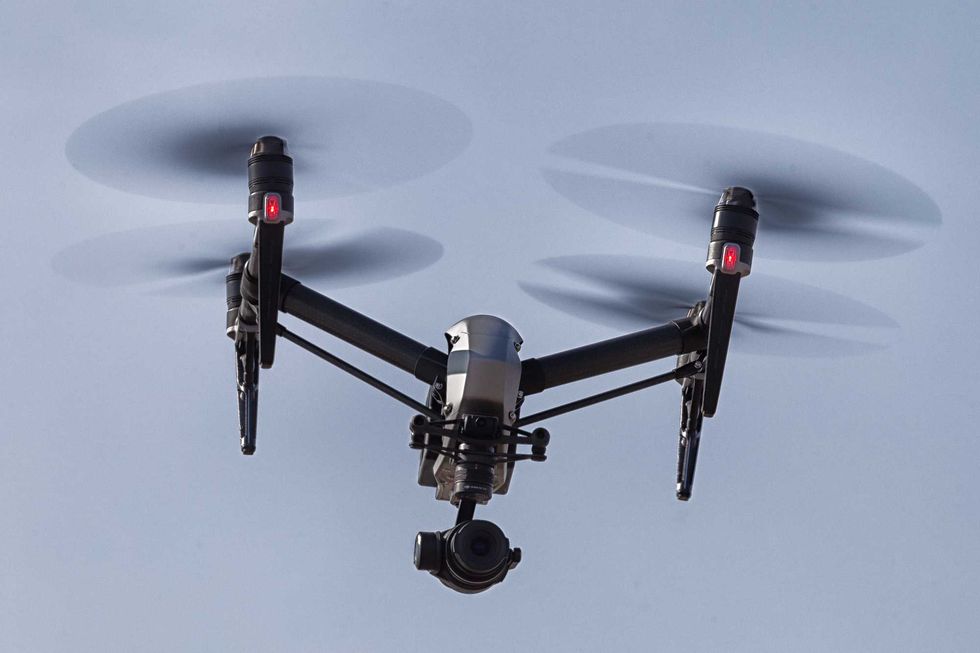
DJI Inspire 2
Credit: Wikimedia
Policy Recommendations
Some of the policy recommendations outlined in the white paper focus on creating government accountability, strengthening domestic demand signals, and reducing barriers to drone use. One of the more intriguing ones was to launch a “White House-led Interagency Drone Dominance Task Force” which would help develop policies and implement them within the different departments across the federal government.
Here’s an excerpt from the white paper:
“It is critical that these various policies be cohesive and coordinated and not work at odds with one another. The Administration should build on the success of the Airspace Sovereignty Task Force by creating a Drone Dominance Task Force, chaired by the Office of Science and Technology Policy, to organize interagency policy efforts and provide leadership to focus departments’ resources on this critical national security imperative. The scope of this Task Force should include all elements of EO 14307, including but not limited to coordination of industrial policy, aviation safety, and expanding and supporting market access to drone technology. The Drone Dominance Task Force should also coordinate with the Airspace Sovereignty Task Force to ensure a coherent approach.”
The paper goes pretty deep into some other details for how to follow through on these recommendations through partnerships and reforms that could be established and passed here soon.
Credit: Wikimedia
What Might the Future Hold?
Still, this is just a white paper outlining ideas. The goal is summed up in the conclusion which outlines a vision of the future where the US can actually develop its own drone companies by enacting “robust industrial policies and nurturing domestic supply chains.”
Here’s the conclusion from the white paper, which sums things up:
“With the right accompanying policy changes, and support from Congress, the Administration’s recent regulatory action banning all foreign drones and components can serve as a catalyst for U.S. commercial drone dominance. Positive support in addition to punitive measures are needed. By enacting robust industrial policies and nurturing domestic supply chains, the federal government can secure our nation’s technological future, enhance economic competitiveness and national security, and safeguard critical infrastructure. Policymakers, industry leaders, and regulators must collaborate to implement these recommendations, ensuring that the U.S. drone sector emerges stronger, more innovative, and resilient in the face of evolving global dynamics.”
For those who work in film and video and want more drones with better technology and lower prices, more competition would be nice. But until changes are made, most of us are left with fewer options than ever before, with the DJI drone ban in effect and with little development from new players in the space.
If you’re curious, you can read the whole white paper here.
- DJI Responds to Drone Ban and Asks for Support From Its US Customers and Fans ›
- DJI Drone Ban: Will DJI's New Drones Be Available in the US? ›
- New Silicon Valley Drone Company Sets Target on Besting DJI’s Aerial Dominance ›
- The Drone Wars Are Here as DJI Files a Lawsuit Against Insta360 Citing Patent Infringement ›
- With the DJI Ban Now in Effect, a New Pocket Aerial Drone is Ready to Fly in the US ›