One of the least discussed areas of independent cinema, and especially short cinema, is working with a casting professional. Thus, we were excited to get the chance to have a conversation with casting director Manuela Romero Samacá. With a background in theater and a strong passion for diversity in projects and collaborators, Manuela's approach to casting is a careful collage of her experience in theater, her creative principles, and the abundant limitations that come with independent filmmaking.
Her most recent project, Daddy's Little Meatball, will be screening this June at Tribeca. Other past projects she’s cast have screened at the Austin Film Festival, Palm Springs International Film Festival, and Santa Barbara Film Festival.
What Should Directors Know About Casting?
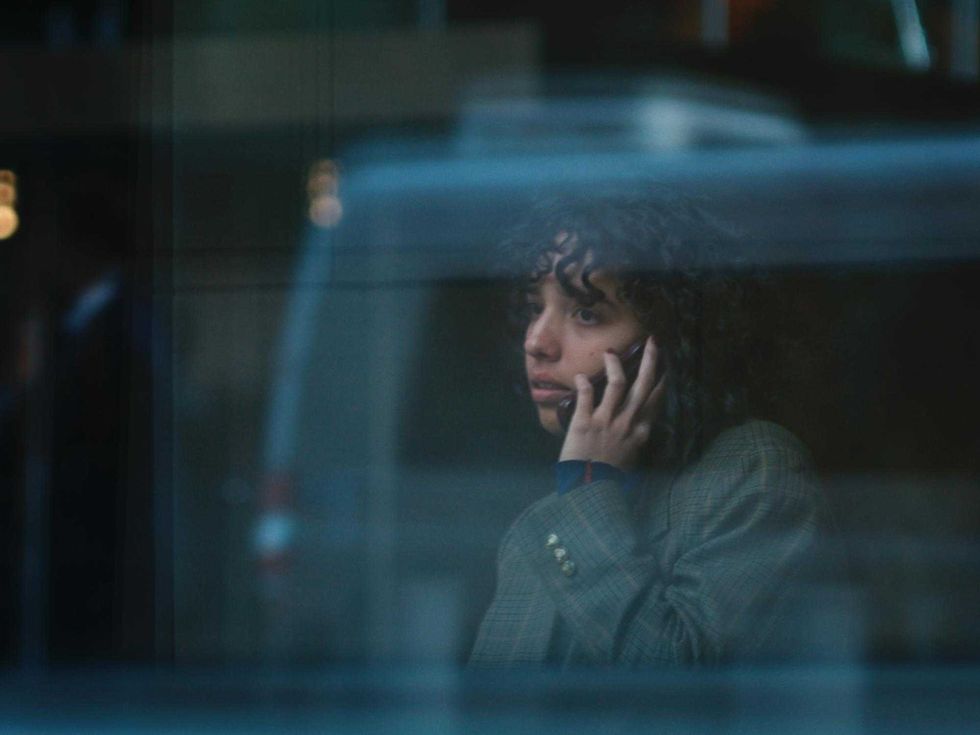
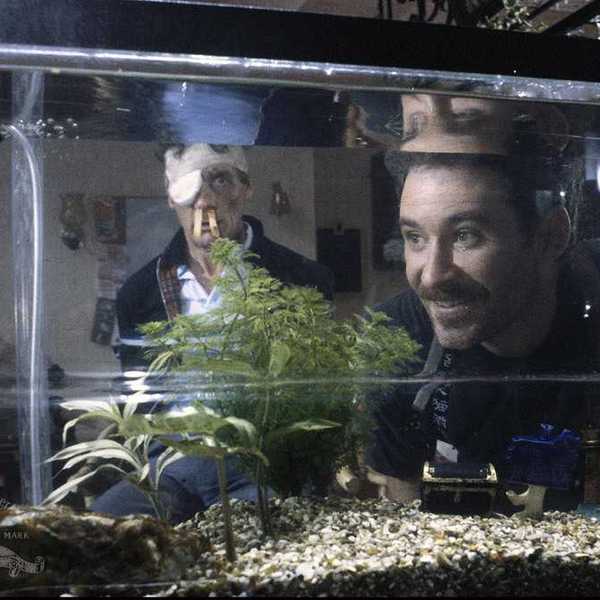
Still from a short film.
Selene Almeron
NFS: Thank you for joining me today for this conversation. When you're talking to a director about casting their project for the first time, what do you wish a director who has never hired a casting director would know about working with a casting director?
Manuela Romero Samacá: Probably how much malleability there can be in the process.
I'm mostly doing independent, smaller projects in which we're trying to figure out what the best use of our smaller budgets is, and the other resources we might have. So, expanding our conversations beyond 'this is the ideal actor that I would like to have' and moving towards more abstract qualities, textures of the role, and even to the kind of collaboration they want to have with their actors, allows us to be far more resourceful when working with the tightest limitations.
I think that collaborating with a casting director will be most beneficial when there is openness and malleability.
Collaboration in Casting
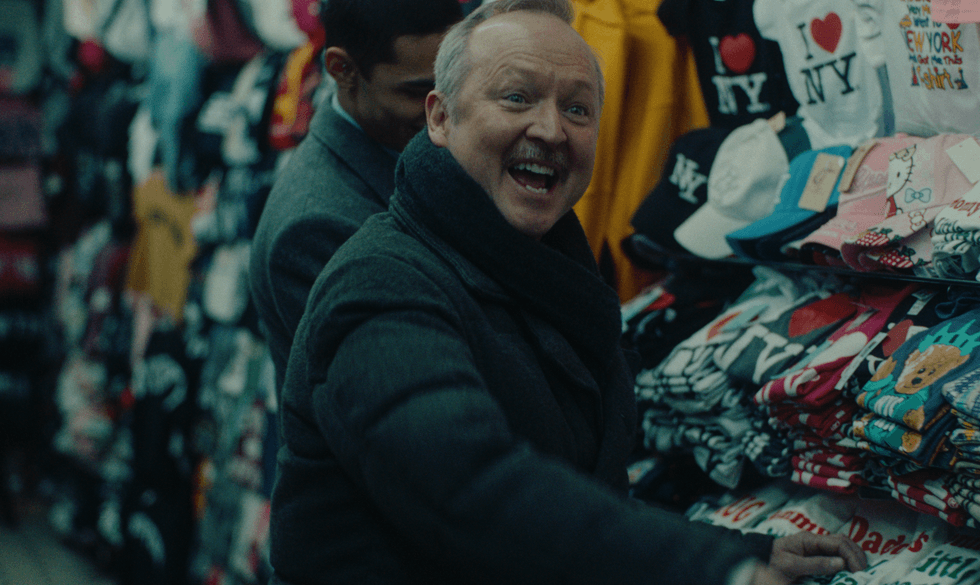
'Daddy's Little Meatball'
Courtesy of Yael Grunseit
NFS: You mentioned the casting, process, and collaborating on that. Do you like it when directors come in, and they're like, I've already decided that these are the three scenes I want to do for an audition, or do you like when we're looking through the script together, and we're talking about what we think we might learn from the scenes?
MRS: Either one is good as long as there is openness to change and to chat through their impulses.
Sometimes, directors or producers tend to think that they need to see really long scenes or scenes in which there's a lot of moving and blocking to get a full sense of whether someone is right or wrong for the role. However, those are the most complicated scenes to actually get a sense of an actor's suitability or ability to take performance notes - suddenly, there are too many logistics involved: memorizing lengthy scenes, figuring out blocking, etc.
It's great to know if a director feels strongly about a scene or a moment in the film because it also teaches me about the qualities/skills that they deem most important for the character. We can have an interesting dialogue based on those and make a choice that is informed by their priorities and my experience.
So, as long as these choices are made in conversation and they are open to my perspective on it, either one is great!
Callbacks
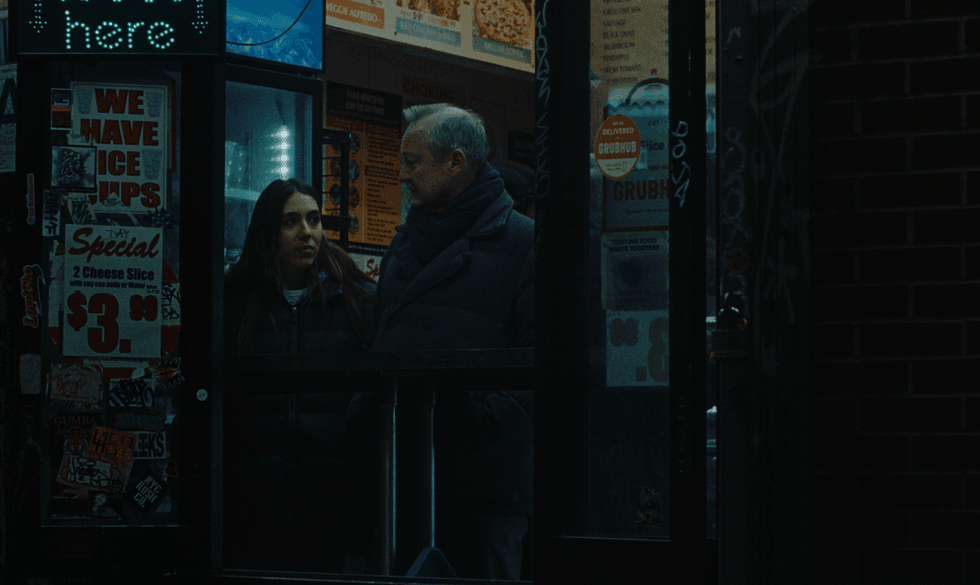
'Daddy's Little Meatball'
Courtesy of Yael Grunseit
NFS: You mentioned adjustments there. How often in your casting process are you giving adjustments to the actors during the callback?
MRS: It all depends on my relationship with the director. This is something that we decide right before we do our first day of auditions. With directors that I have worked with two or three times before, I already know I will be making adjustments because I'm more attuned to what they like to see and how they work on set.
With new collaborators, I will intervene if we are on take two and the director is ready to move on, but I notice that there's something else that might get through to the actor differently. I usually have more information on an actor's past experience, their background, or their communication styles, and those things can be helpful in making adjustments.
But this doesn't happen as often with directors that I'm collaborating with for the first time, as I am also learning about their process and their taste.
What Attracts a Casting Director
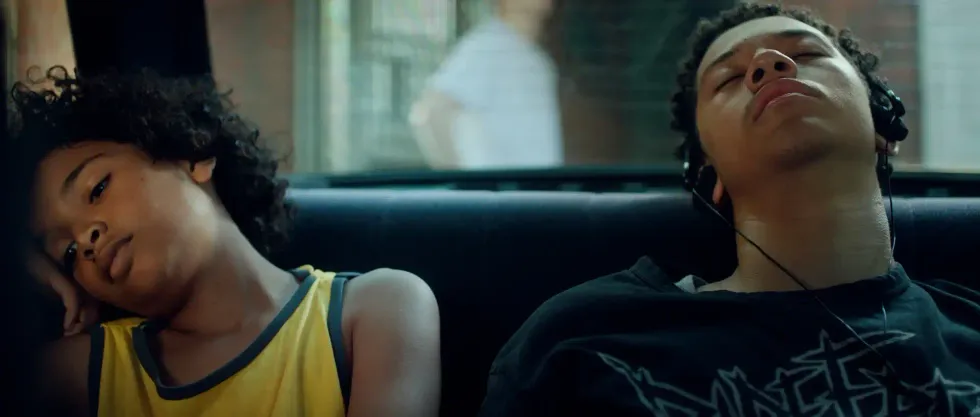
King of Games
Tyler Cino
NFS: It sounds like when you're in a casting session, you're as attuned to the emotional state of the director as you are to the performer.
MRS: Yes, 100%.
NFS: That's such an excellent thing to bring into the casting room.
MRS: Of course, because this is independent filmmaking, there is a lot of collective problem-solving that goes beyond an actor being right for a part. And, more importantly, my relationship with the director is growing along with the project.
There is a lot of attunement to their feelings when we're having conversations before and after the auditions, as it can be quite vulnerable to see your text being performed for the first time or even by someone who is not right for the role.
It has sometimes resulted in them thinking the text is not good or that there will never be someone who is right for the role. But it's just a matter of finding the right person to really bring it to a different light and to invite the director to learn something new about their project through the casting process.
NFS: What kind of elements attract you to choosing a specific project to work on?
MRS: A very big one that is straightforward is representation.
I find a lot of joy in projects that need a very specific identity.
I have particularly worked often with a director who is making projects about being Chinese-American and being from New York. And I think that that has been a very interesting challenge of entering subcultures and also seeing where in the city I can find the right people in different age ranges, genders or skills that he might want to put into his films.
Another big one is when I can tell that the actors are going to be delightfully challenged by the project. It is exciting to be able to invite people to indulge and play in exploring text, characters, and dynamics. It suddenly shifts an audition process to a more creative engagement that can be fun for those auditioning and us watching.
Casting From a Community
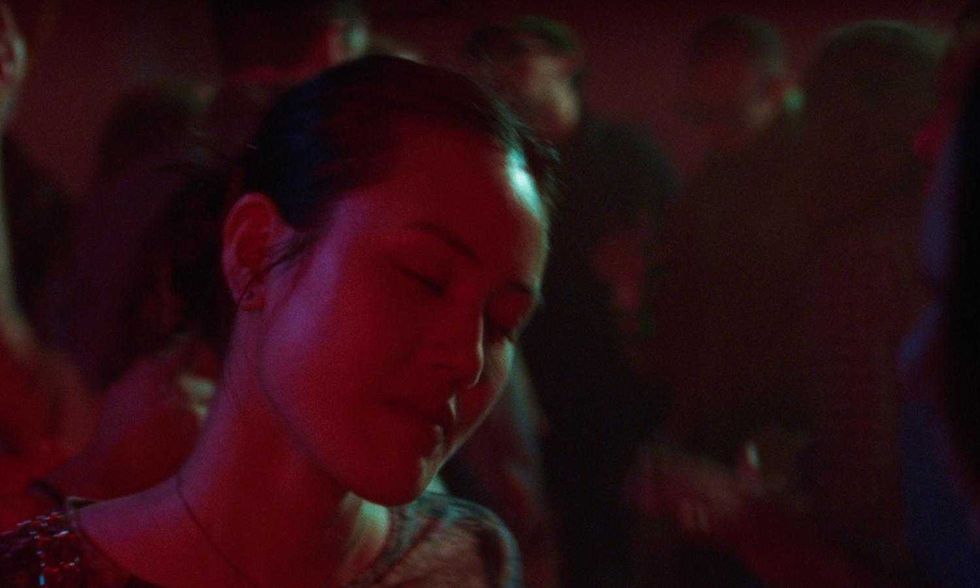
'One Day I'll Open My Fist'
Courtesy of Dylan Rizzo
NFS: So when you're looking for a specific community, do you go to community-focused theater organizations? Do you go to social clubs? How are you pursuing a more specific identity?
MRS: We do all of those. For the film for Daddy's Little Meat Ball, which is about to premiere at Tribeca, we were looking for Australian actors in New York.
We did everything from Facebook groups like Australians living in New York to theaters that had Australian theater festivals. My favorite thing we did was going to a meeting of Australians in New York (basically Aussies trying to connect with other Aussies) to meet some of them and maybe find someone who could play one of the roles.
Theaters are a massive tool, as well as identity-based alliances and creative collectives. They're all usually super willing to share our casting calls to their entire community.
NFS: It's so exciting that the film will be at Tribeca. One of the many wonderful things about that film is the casting. Do you know if the actors that you found have had a chance to see the film yet? Will they be at the premiere?
MRS: I am not sure if they have seen it, but I know that they will be at the premiere! Our lead actress is actually flying in from Australia to be here. I’m excited to see her again!! Also, to see everyone who worked on the project together, celebrating. We are all beyond excited!
Actor Relationships
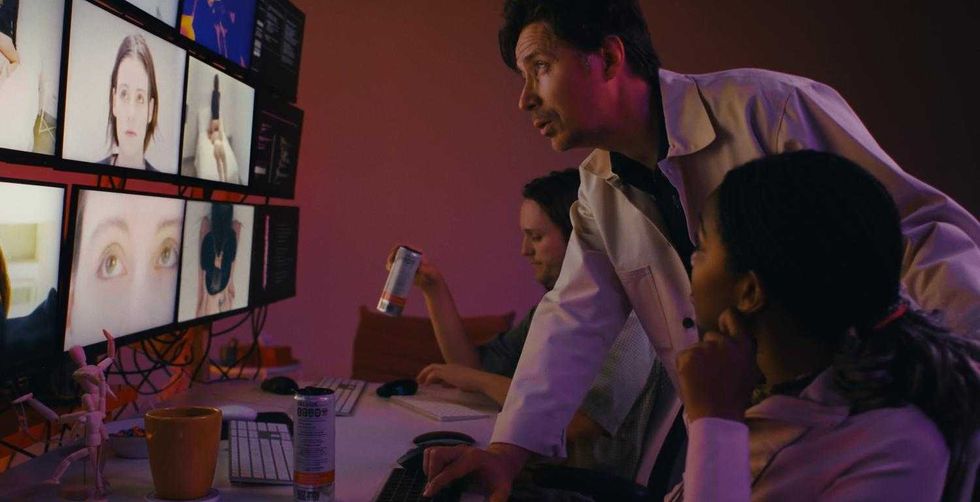
Everything there is to know about me
Yael Grunseit
NFS: What elements do you think are attractive to a performer for working on a short project? You cast all the shorts with great performances that require performers to be notoriously reluctant sometimes to be in shorts because they don't take them seriously. So what do you think makes a short attractive to good performers?
MRS: One of the great things about New York is its theater scene. There are so many experienced and talented actors who have only been doing theater but have some level of curiosity or interest to also try acting for film, especially if it is for stories or concepts that are in line with the kind of work they make, or for a role that is outside their typecast. Short films are usually a much more manageable time commitment than a play, so for an actor, it is a less costly curiosity to explore.
Also, sometimes it really helps if there's a logistical exciting thing about the film. Like if there's travel involved or if there is shooting in a location that is not accessible otherwise. Ultimately, it is the same as finding your other collaborators (crew); there should be exciting, creative details that override any assumptions or reservations they might have about short films (or our small budgets).
NFS: Do you think actors respond differently getting an email or contact reach out that’s like,, hey, I'm the casting director on this project, than maybe a slightly less professional email from a director? Do you think they take it more seriously coming from an outside vendor?
MRS: I think they do take it more seriously, coming from a casting professional.
Like with most areas in filmmaking, there’s specific jargon to communicate with talent, managers, and agents, and it helps if the person reaching out has that experience. Most actors will also know that there is a long-term relationship that is worth building and nurturing with casting professionals, making them more responsive.
It is helpful at certain points of a creative process to have a bridge between the actors and the director or the writer who might have more personal stakes in the project. It allows both parts to be more honest about their interests, their availability, and their questions.
NFS: Well, also, a good casting director is gonna cast a dozen things a year.
MRS: Exactly.
NFS: Where the director might make a short every two or three years or a feature every five to seven. So it's a different relationship that you're more excited to build because they're gonna do things in a more regular fashion.
MRS: Yeah, I think that that is something that I have also noticed with a lot of the actors, like after auditions, they've reached out to let me know that they want to maintain the relationship even when they don't get cast in the project.
I think it is so fulfilling to be able to call back an actor that I've auditioned for other projects and get to cast them in something that is more of a leading role or on projects where their talents shine even more. So I do think that it really comes around in such a nice way.
Keeping Organized
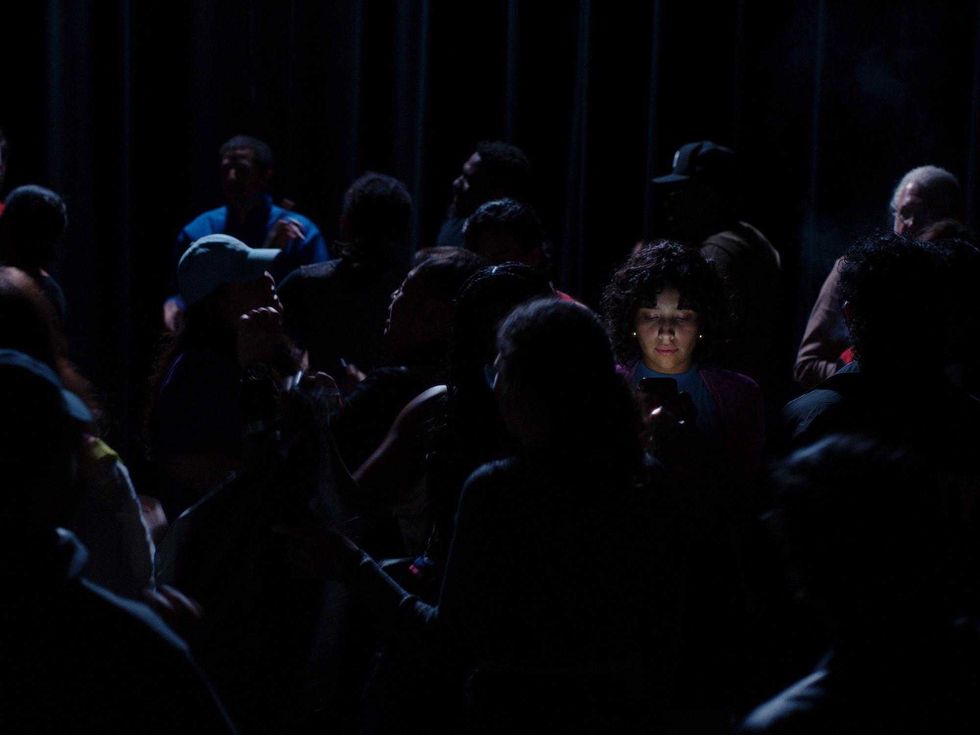
Nana
Selene Almeron
NFS: So you see a lot of people, how do you keep track? Do you have a spreadsheet? You have a filing system? How do you do it?
MRS: This is a great question! I think that on the one hand, people who really leave a mark with their performance or with something about their personality, you really do keep them in mind for whatever project comes along.
For each project, I'm creating spreadsheets with photos of everyone that I've met, auditioned, or submitted on any of the platforms. And all of those spreadsheets are in my own personal drive. I did a casting workshop with ReelWorks and the Teamsters Local 817 last year, and a lot of the training was about how we are keeping track of this information and what collaboration among casting professionals might look like. If someone is casting something that requires an identity that is quite specific, and I just did a project in which I auditioned a lot of people who would be a good fit, then sharing that information creates an ecosystem that puts actors and the projects/stories at the forefront. We do this work so that the right actor is getting connected to the right project!
Online Casting vs. In Person
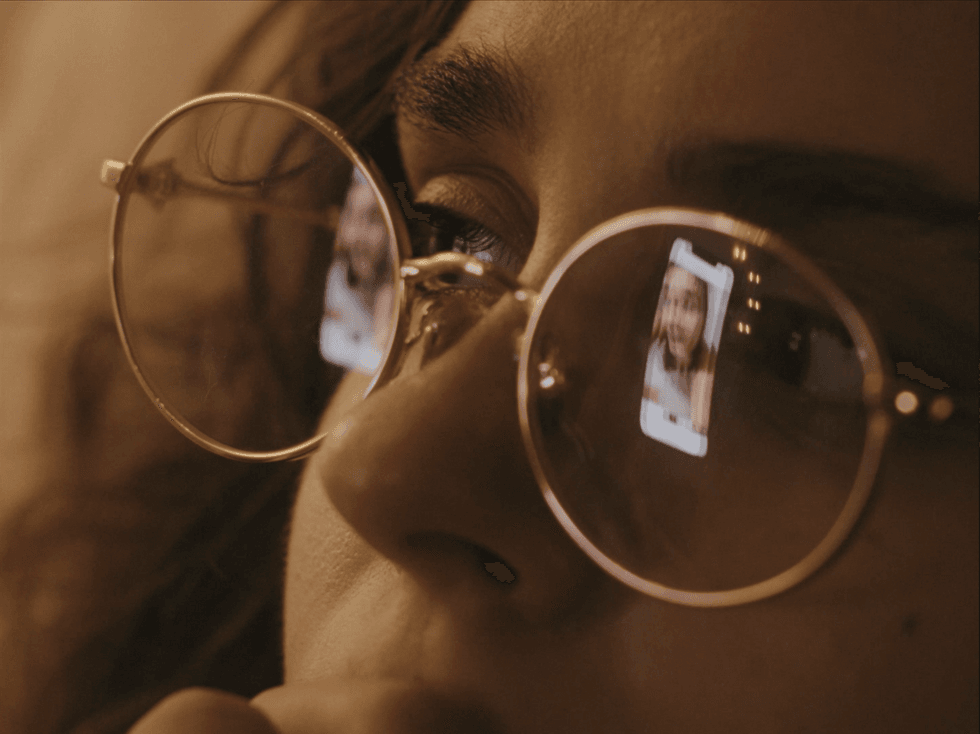
A Big Hug
Courtesy of Yael Grunseit
NFS: How do you feel about online sessions versus in-person sessions?
MRS: Ideally, you are making things as accessible as possible because you do want to see the most people and to feel like you've done your due diligence - especially with things that have unique or under-represented identities.
Still, there is a massive difference in attention and exchange of energy when you are in a room with someone else. I definitely prefer it whenever I have a long day of auditions, and I get to see how someone moves, how someone walks - perhaps this has to do with more of my own sensibilities towards movement and physical existence in a space.
I think it also makes a big difference in how directors feel about the collaboration because they have more of a sense of the human being that is behind just the performance, and also more respect for what they're asking someone to do.
Casting as Prep for Directing
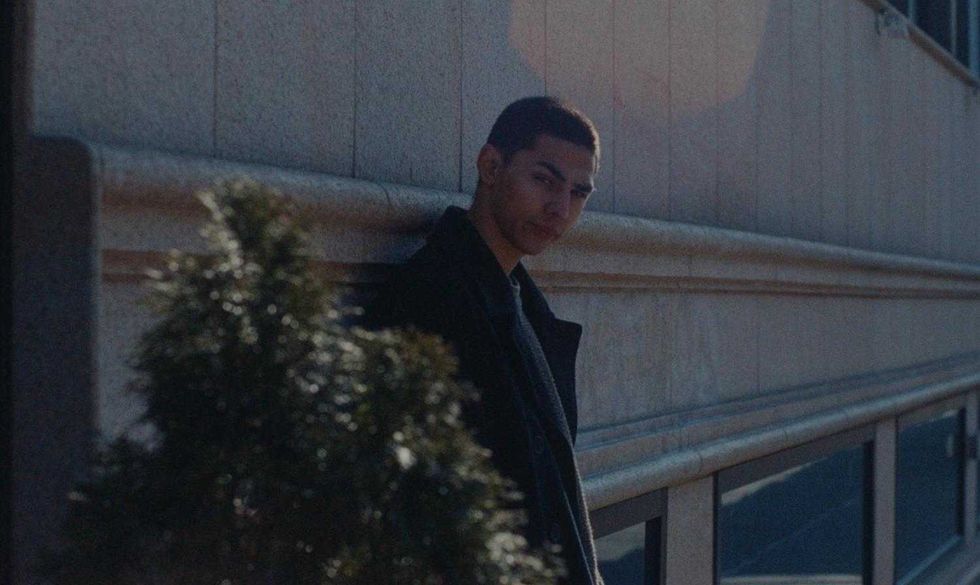
'Daddy's Little Meatball'
Courtesy of Yael Grunseit
NFS: You also direct on occasion. How do you feel like your work as a casting director informs your directing, and what do you think casting directors and other people who are trying to find their place in the industry, but want to direct long-term, should consider?
MRS: The more obvious aspect is that it expands my network very quickly - and for types of actors that I hadn’t pictured in my own projects, but suddenly I can’t stop thinking of them for new roles. In a way, it has helped me deconstruct my own assumptions about other people while learning quickly and deeply about other communities.
I have felt a huge development in my sensibility for what the right adjustments are, where there are disconnections between what a director is looking for and what the actor understands about the role. I get to work so closely with directors who have different methods and different approaches to their own projects that inform my own process - or teach me methods that I can respect but don't need to try out for myself.
My language has definitely expanded, and once you are on set as a director, I can feel how much bigger the toolbox is.