Yoda’s "Failure" In the Prequels Is the Most Important Lesson in ‘Star Wars'
The prequels dared to show that even legends can misread.
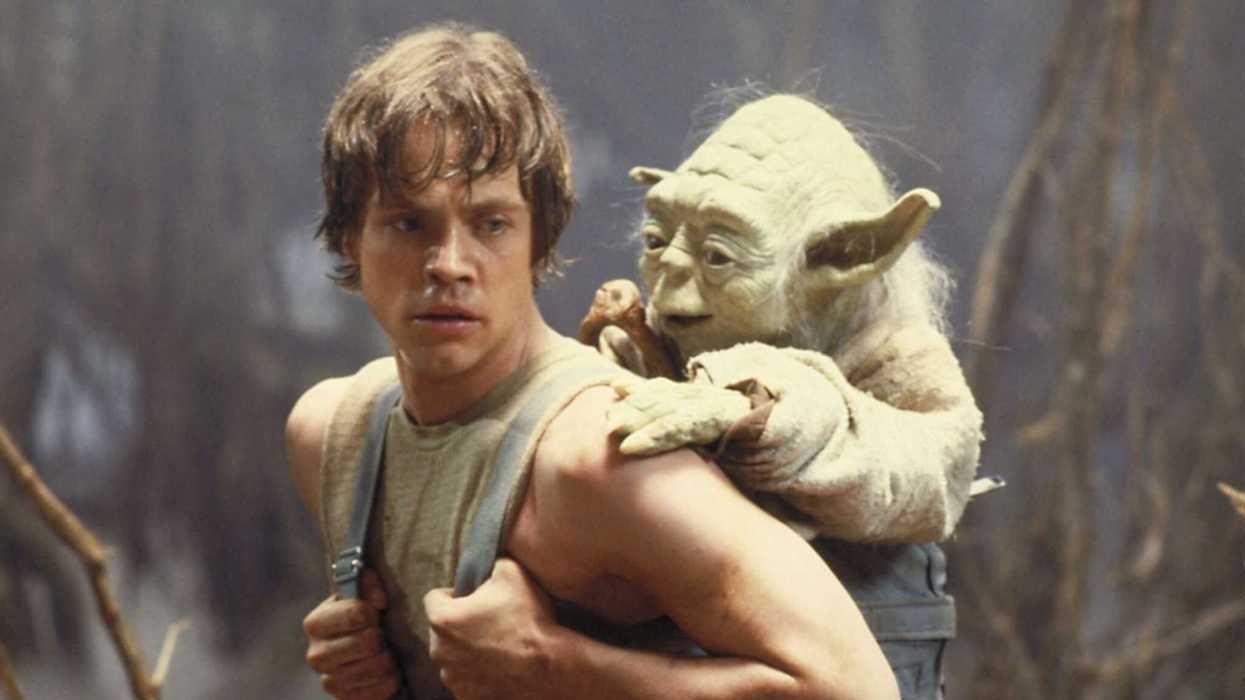
'Star Wars: Episode V - The Empire Strikes Back' (1980)
If a legendary character is always right about every single thing, does that make them an actual legend or a caricature of one?
The original Star Wars trilogy gave us one of the wisest movie characters to ever grace the screen, Yoda. The prequels, however, masterfully decided to balance Yoda’s wisdom with the possibility of being wrong. This did not reduce Yoda’s wisdom; it made him more relatable.
In the Star Wars prequels, we can see a different side of Yoda. Yoda leads the Jedi High Council with unmatched experience, yet ultimately, he presides over the Order’s slow collapse. His missteps are not plot holes; they are deliberately engineered elements of tragedy that reveal even the enlightened can falter.
Yoda’s failures in the prequels serve as the most important life lesson from the epic saga that continues to enchant us to this day.
So how exactly was Yoda wrong in the prequels? What can this teach writers about crafting legends who can fail?
Let’s jump right in and explore.
Yoda And The Danger Of Absolute Certainty In The Force
Yoda’s biggest blind spot is none other than his absolute, unshakable faith in the Jedi way, which the dark side keenly exploits. It’s a fascinating storytelling deployment of the very concept of “faith”. While unfaltering faith can be a guiding principle, it can also blind a character as wise as Yoda from the carefully crafted manipulations of the dark side.
The Jedi cling to tradition and dogma while assuming that their ancient knowledge makes them infallible. It is this deep belief in their own doctrine that creates a sheer lack of flexibility. Their interpretation of the Force is rigid, moral, and absolute. This very rigidity is reflected in Yoda’s character arc, even more so in the prequels.
Yoda’s ultimate defeat to Darth Sidious carries a powerful lesson. Unshakable belief, even when well-intentioned, can be a dangerous thing. To Yoda, this is the only way to be. Belief in the Jedi way has to be unshakable, or else what’s the point?
This absolute faith in the Jedi Code turns flexibility into fragility, and it is a big reason why the prequels work well in the larger context of the series. There is a sense of a moral balance, which comes from Yoda’s mistakes. What’s important is that these “mistakes” don’t feel like they’ve been squeezed into the story for “balance’s” sake. Instead, they come from the strength of Yoda’s faith, which makes them feel earned, honest, and inherently true to Yoda’s moral framework.
Letting Your Mentor Be Wrong
A hero only feels like a real hero when their flaws become visible. Until then, their characters can appear “written to perform”. Heroes without flaws or blind spots might be entertaining in some cases, but they rarely feel relatable. Interestingly, even when we consider the largest superhero franchises of all time, we can find obvious flaws woven into every heroic character, and that’s the whole point of writing characters who aren’t miraculously right or win every single time.
Yoda may not be a hero in the traditional sense of the word, but he serves as a guiding light in the Star Wars saga. He is a mentor we all love to listen to and learn from. So what happens when this mentor makes a mistake?
Yoda’s mistakes aren’t malicious. He simply operates based on centuries of proven Jedi philosophy. His perspective and worldview are strongly influenced by actual history and heritage, both of which are crucial to his functioning. Yet, this very philosophy fails Anakin Skywalker (Hayden Christensen) spectacularly, pushing him toward Palpatine’s manipulative “compassion”. Yoda also confronts Darth Sidious, only to acknowledge his inability to prevent the Sith’s victory. This never comes across as incompetence, but powerful faith leading a great teacher down a path of serious misjudgment.
This misjudgment only enriches Yoda as a character and deepens our relationship with him. Now, he isn’t just the wise character who continuously feeds philosophical teachings to those around him; he is a mentor who can be wrong, just like anyone else.
What This Can Teach Writers About Writing Legends Who Fail
Yoda is, without a doubt, one of the greatest movie characters of all time. Here are three incredible writing lessons we could take from his mistakes in the Star Wars prequels.
Failure Strengthens Character
A mentor who is always right will eventually feel flat. One of the greatest lessons from Yoda’s failures is the fact that they aren’t minuscule, just put there to make him more relatable. In the context of the saga, they are quite significant. When a character revered for wisdom makes a mistake, it opens space for growth and forces the audience to ask an important question: Can any character, no matter how wise, be right every time?
Deeper Philosophical Reasoning
Yoda’s failures have the power to make us question absolute terms in any and every philosophy. While his belief in the Jedi Code is unshakable, his mistakes quietly make us ask real questions about whether one can ever be rigid about anything whatsoever. If one is rigid about their beliefs, what could be the price of being wrong?
Redemption Comes From Reflection
For writers, the word “redemption” is far from uncommon. In fact, the concept of redemption finds its way into many stories in one way or another. The power of Yoda’s redemption comes from his reflection through exile. There is no “quick fix”. The legend endures because a significant character evolves from a mistake by using time as an ally.
Summing It Up
When the greatest mentors in film history make mistakes, it only elevates their status. Yoda’s mistakes were never forced into the narrative; they were the cost of the character’s deep belief in a philosophy. In retrospect, these “failures” serve as one of the most important lessons from the Star Wars saga.
Which is your favorite Yoda quote? Tell us in the comments below.
- 9 Iconic Quotes From the Star Wars Franchise ›
- 3 Questions We Have About Baby Yoda and 'The Mandalorian' ›
- Why Are People So Furious with Baby Yoda for Eating Some Eggs? ›
- “Do Or Do Not. There Is No Try.” Why Yoda’s Philosophy Is Misunderstood ›
- The Reluctant Mentor Trope, Explained: Why Hollywood Uses It Again and Again | No Film School ›
- 8 Greatest Movie Mentor Quotes Of All Time ›
- 8 Most Iconic Mentors to Ever Grace the Screen | No Film School ›