The Incredible ‘Apocalypse Now’ Scene Francis Ford Coppola Reconsidered Years Later
A detour that deepened the journey.
‘Apocalypse Now’
Francis Ford Coppola’s Apocalypse Now (1979) isn’t only one of the finestwar movies of all time, but it is also one of the greatest films ever made. Years after the movie was first released, Coppola added what is believed to be just under 30 minutes of additional footage that wasn’t part of the original.
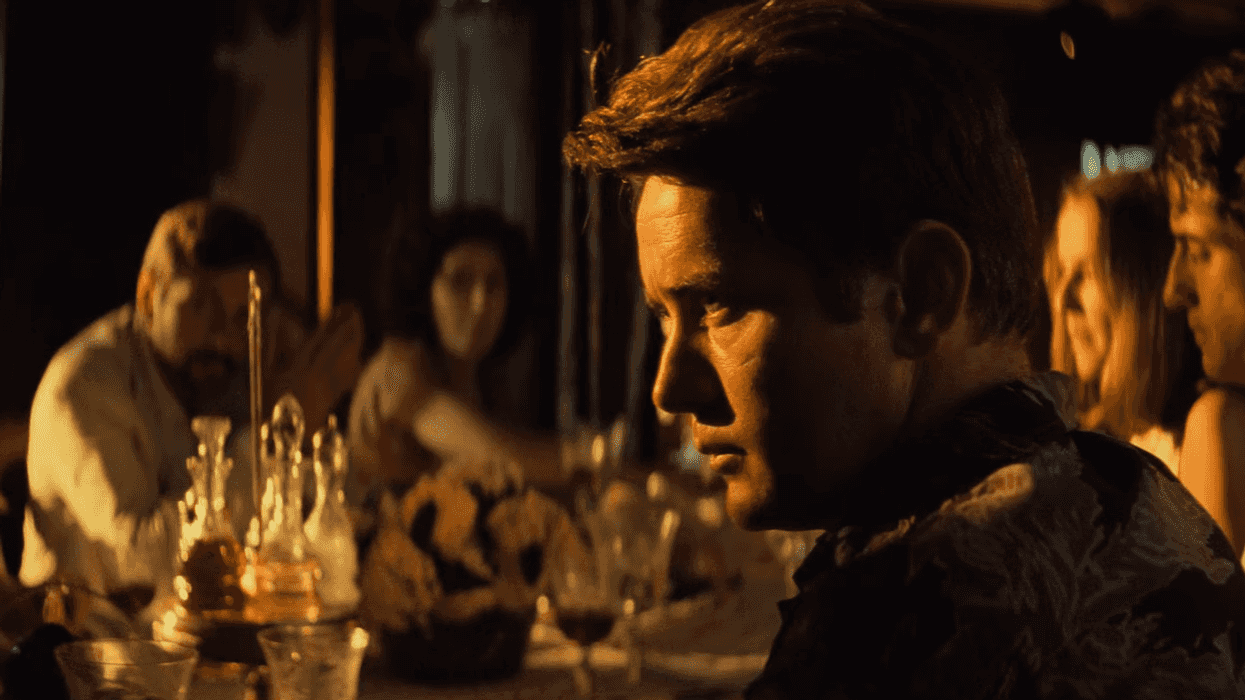
One of the sequences that found its way into Apocalypse Now Redux (2001) is the “Plantation sequence”, a sprawling, dreamlike interlude in which Martin Sheen’s Captain Benjamin L. Willard arrives at a French plantation along with his crew members.
Far from being just a “detour,” the sequence serves as an exceptional controller of tempo before Willard’s descent into mayhem. It reframes his journey as something larger than just a military mission, providing a masterfully structured backdrop to the context of the war.
What makes the inclusion of this scene important in Apocalypse Now? What does this tell us about the underrated meditative aspect of Coppola’s epic?
Let’s jump right in and explore.
The Scene That Opened The Doors To The Descent
Before Martin Sheen’s Captain Benjamin L. Willard and his crew reach the isolated and dimly lit French Plantation, the film has already established its chaos through Lieutenant Colonel Bill Kilgore (Robert Duvall) and the surreal Do Lung Bridge sequence.
Willard and his crew, featuring Frederic Forrest as Chef, Albert Hall as Chief, Laurence Fishburne as Clean, and Sam Bottoms as Lance, encounter a French Colonial holdout. Originally removed due to pacing frustrations, this sequence is now revered for its deeper political context and how it balances the otherwise chaotic aspects of the war-driven world of Apocalypse Now.
This interlude brilliantly shifts the tone of the film yet maintains its core tension. It provides a necessary “pause” and a vital philosophical layer to the movie. During a pivotal dinner scene in the plantation sequence, Willard’s conversation with French colonists turns into a heated political discussion.
The war is framed as a much older imperial struggle with a deeper historical context. The fact that this scene takes place between the establishment of the film’s chaotic essence and the movement toward Colonel Walter E. Kurtz (Marlon Brando) opens the door to Willard’s mental and physical descent.
Instead of a straightforward journey into madness, which would, in some sense, follow a traditional war film template, this sequence becomes an entry into layers of historical obsession and denial. It serves as a background not just for Captain Willard’s intentions and Kurtz’s critical change of direction, but also for the war as a whole and the people who find themselves amidst it, whether they intend to or not.
Reflection Amidst Chaos
What makes Francis Ford Coppola’s Apocalypse Now so starkly different from other war films is its strong political core that isn’t just based on a conflict between two sides but on a deeper philosophical sense of inquiry. The plantation scene is a testament to the director’s patient approach towards the subject. It’s not just about staging epic war scenes; it's about peeling layers of human behavior to try to understand the cause and source of violent behavior.
Coppola does not want us to perceive Willard’s journey down the river as just a soldier on a mission. Through this sequence, he reminds us of the darker political context and colonial failures of those who came before the characters of the movie. The antiques, the candlelight, the misty fields, they isolate the plantation from the growing dangers outside.
Willard’s encounter with Roxanne Sarrault (Aurore Clément) adds layers of seduction, regret, and a deliberate cultural collision. Coppola quietly inserts these elements to remind the audience of the cost of distraction for a soldier on a mission.
The plantation sequence tells us that Willard is not up against one rogue colonel but the accumulated mayhem of unrelenting colonial ambition. Coppola’s restoration of the sequence into the Redux version of the film adds essential layers that only elevate a movie that was already considered an epic.
The Underrated Meditative Aspect Of Apocalypse Now
The political discourse over the dinner table scene aside, the plantation sequence has a strong meditative aspect to it. It’s almost as though Coppola deliberately creates a depiction of “slow living” in a manner that likely makes us forget the war-torn nature of the surroundings.
While the theatrical cut is obviously more relentless (it is devoid of this sequence and also some other scenes), the plantation sequence adds an exceptional and necessary sense of stillness.
Why is this necessary? Well, because quintessential war sequences are typically centered around action sequences, eloquent speeches, and battle decision-making. The plantation scene, its candlelit conversations, long pauses, and philosophical arguments allow the audience and Willard to reflect.
This meditative aspect is not specific to this sequence alone. Even the widely revered third act of the movie, especially the conversation between Willard and Kurtz, is paced with the same philosophy in mind. Vittorio Storaro’s impeccable cinematography, lingering compositions, and brilliant lighting techniques helped Coppola bring his vision to life.
One of the finest achievements of the plantation sequence becomes clear when we think of the film’s theatrical version and compare it with the Redux version. While the theatrical version’s relentless pace would make it more aligned with a regular war film, it is sequences like the plantation one that make the movie’s darkness more effective by working as a counterweight.
Summing It Up
When Francis Ford Coppola reintroduced the plantation sequence in Apocalypse Now Redux, he added a deeper perspective to the film’s core ambition. Willard’s eventual confrontation with Kurtz gains a stronger thematic resonance because of the conversations about colonial history and heritage in this sequence. When we stop thinking about films in absolute terms, such as runtime and pace, we will realize that adding scenes to a film is not always detrimental to its structure, but instead, doing so can also elevate the story.
Which is your favorite Francis Ford Coppola film? Tell us in the comments below.
- Francis Ford Coppola's Thoughts on Screenwriting | No Film School ›
- Francis Ford Coppola Is Using New Technology for His Upcoming 'Megalopolis' | No Film School ›
- In 1974, Francis Ford Coppola Directed The Two Most Important Movies of the Year | No Film School ›
- 'Apocalypse Now' Cut Breakdown: 1979 Theatrical vs. Redux vs. Final Cut | No Film School ›