Here’s Everything You Missed From Apple’s Immersive Video and Audio Seminar
Apple just completed a two-day seminar covering how to create immersive media experiences for visionOS. Here are the main lessons and workflow techniques shared from the Apple team.
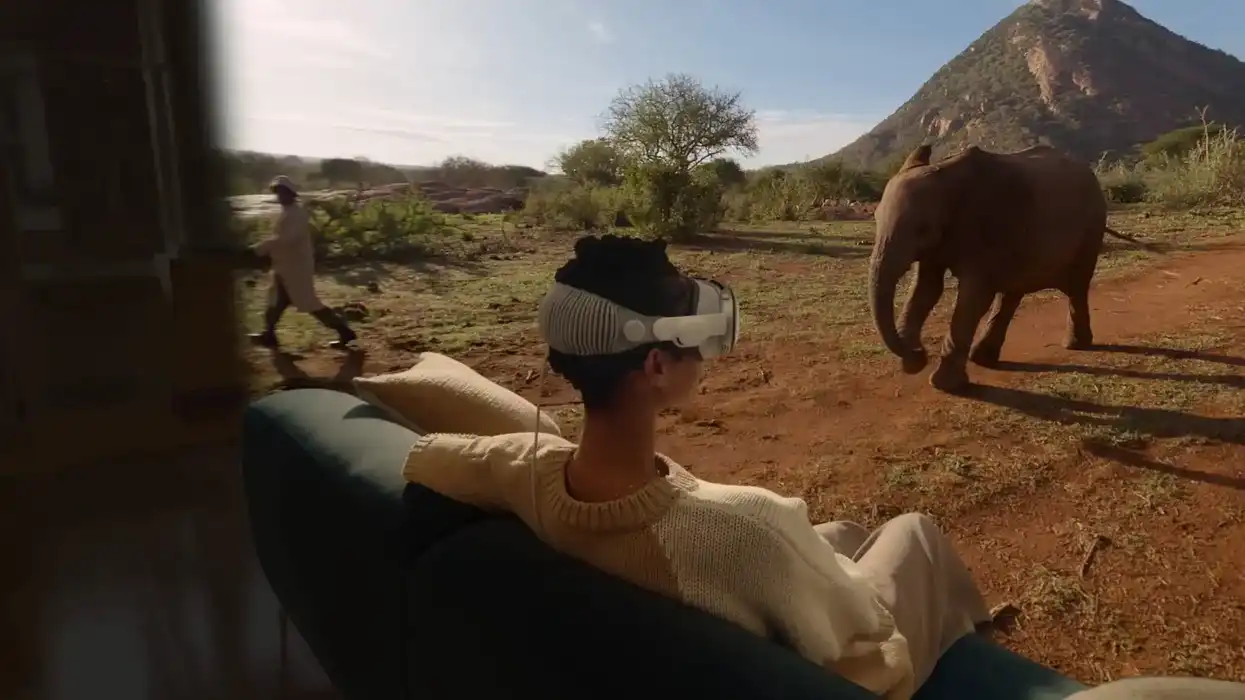
As part of a two-day event hosted by Apple at its Cupertino developer center, the company, famously known for the iPhone and the Vision Pro, gave some pretty in-depth presentations detailing the foundations of its Apple Immersive Video and spatial video experiences.
While there were options for people to attend in person, the majority of us might be content to watch the presentations here later as they’ve been posted and shared online. Let’s take a look at some of the best segments and sections on how Apple wants to help creators create immersive media experiences for visionOS.
Apple Immersive Video and Audio
Covering a wide range of topics that all fall under its immersive media banner, Apple team members gave plenty of in-depth talks on what’s new in immersive media for visionOS, how to create stories and design experiences for this medium, and even how to achieve some of the best video-enabled workflows for immersive media with Blackmagic Design cameras like the URSA Cine Immersive.
You can watch some of the best sections and segments below.
What's New in Immersive Media
To kick things off, this is a nice presentation covering everything new with immersive media specifically for visionOS, the operating system for the Vision Pro AR/VR headset. And, to say this lightly, there's a lot of new stuff.
The presentation goes over the different types of media that creators can make for apps, games, and experiences in visionOS. It also covers all of the updates for 2D and 3D video, spatial video, and more immersive media formats like 180, 360, Wide FOV, and Apple Immersive Video—most of which are explored more in further presentations.
Everything You Ned to Know About Immersive Video
In this second video, which we've chosen to highlight, the Apple team goes over everything you need to know about creating stories with immersive video and audio. At least in terms of what tools are available for filmmakers and immersive creators today.
The presentation covers the foundations for creating compelling and powerful stories when creating Apple Immersive Video and spatial video experiences. It further explores some more nuanced techniques for establishing presence, building authenticity, working with proximity, and creating connection.
The Apple Immersive Video Format
One of the more interesting presentations for those who are curious about the Apple Immersive Video format, how it was developed, and what it aims to become as it continues to evolve, this seminar covers the foundations of the Apple Immersive Video format and how creators can learn how the system is engineered to preserve fidelity, presence of space, and world scale.
This session introduces some of Apple's own acuity targets, acquisition requirements, AIV file format structures, and foveation techniques. It's a nice view for those who are curious about the role of AIV-specific metadata (such as ILPD and motion comfort data) in creating and playing back amazing AIV experiences.
The Apple Spatial Audio Format
Moving on to the spatial audio side of immersive media, we also got plenty of insights into the Apple Spatial Audio Format (ASAF), covering what it is and how it aims to bring together Higher Order Ambisonics and object-based audio to let filmmakers and creators make spatial precision that can perfectly pair with Apple Immersive Video.
The presentation also does a nice job of introducing APAC, a highly efficient codec designed to play back high-resolution ASAF mixes at low bitrates while maintaining immersive detail and clarity.
Capturing Apple Immersive Video
Finally, getting to the really fun stuff, Apple spent plenty of time covering how to capture Apple Immersive Video yourself. There's a lot to cover as the session goes over how filmmakers can prepare for and execute a successful Apple Immersive Video shoot.
This video further goes over all of the equipment setup, power, and media management, spatial audio capture, and on-set monitoring approaches. It's worth the watch if you've been curious about ground and aerial rig options and hearing some of the best practices for reviewing dailies on Apple Vision Pro before wrapping your productions.
Spatial Audio Workflows
Spatial Audio workflows are explained in this next session, which serves as a step-by-step walkthrough of Spatial Audio workflows designed for Apple Immersive Video.
The session further covers topics including how to capture ambisonic beds and close-miked sources, how to build layers during sound editorial, and how to mix directly in headphones to ensure accurate spatial alignment. The session nicely highlights why reviewing mixes on Apple Vision Pro is essential for maintaining immersion.
How Blackmagic Design Supports Apple Immersive Video
Moving on to the more serious discussions about the future of cinematic immersive content, Apple invited the Blackmagic Design team to showcase how the company supports Apple Immersive Video through an end-to-end workflow, from the URSA Cine Immersive camera to immersive tools in DaVinci Resolve Studio 20.
This is maybe the most important topic covered at the seminar and goes over how all of the features support reviewing preview content on Apple Vision Pro, mixing in Spatial Audio, managing camera motion data, and delivery of final bundles using purpose-built presets.
How to Use Colorfront to Streamline Apple Immersive Video Dailies
Finally, to wrap things up, Apple showcased a nice demonstration on how to use Colorfront to streamline Apple Immersive Video dailies and mastering using On Set Dailies (OSD) and Transcoder.
This session does a nice job of walking through Apple Silicon-optimized performance, distributed rendering features, and how to handle metadata. It also clearly demonstrates how users can explore a new integration with the MainConcept immersive encoding library that enhances final delivery efficiency and quality.
- Master the Art of Apple Immersive Video With These Free (In-Person and Online) Workshops ›
- The First Hands-On Reviews of the Blackmagic URSA Cine Immersive Are In ›
- Blackmagic Set to Become the World’s First Camera and Editing System for Apple Immersive Video ›
- Wait, is Spatial Video Alive? Apple Announce Lineup of Immersive Video Content ›
- DaVinci Resolve Adds Support for Apple Immersive Workflows With Major Firmware Update ›
- Apple Releases Its Answer to Adobe Creative Cloud With New Creator Studio Subscription Bundle ›
- The New Rules of Spatial Cinema: Why Sound is the Director’s New Lens ›