7 Great Hal Ashby Films That Shaped New Hollywood
A deep dive into the filmmaker’s finest works.
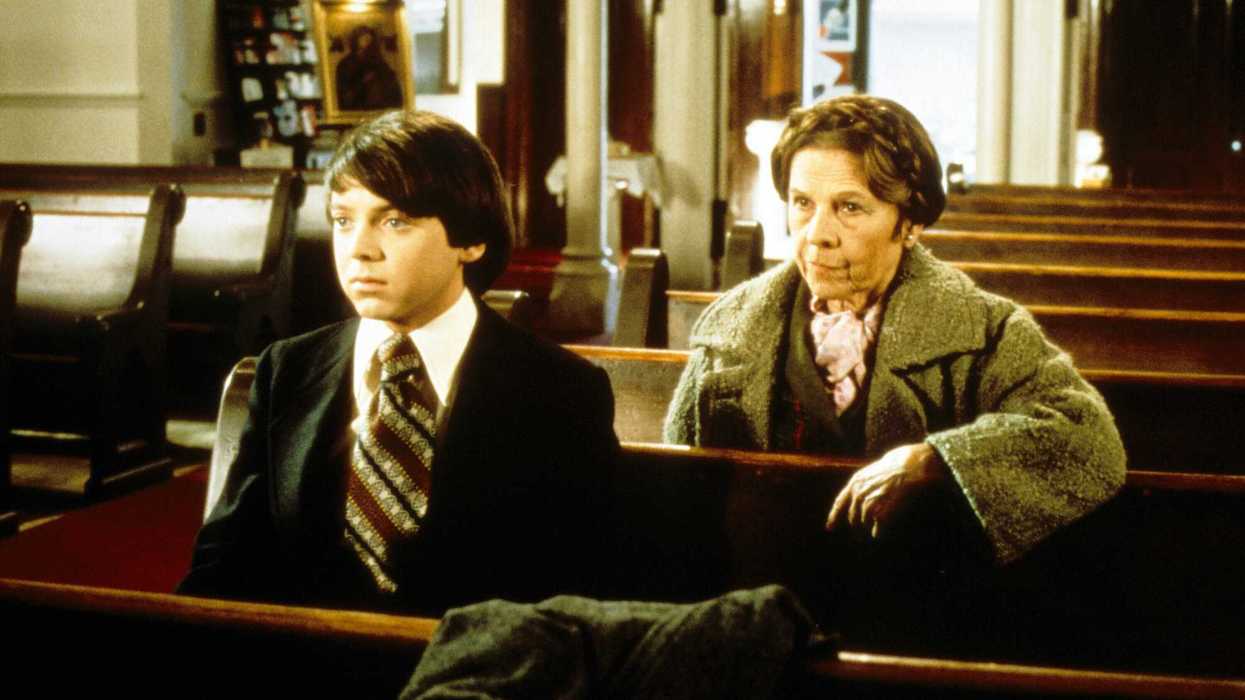
'Harold and Maude' (1971)
Between the 1960s and the 1970s, Hollywood gave rise to some of the finest filmmakers with distinct cinematic voices and innovative ideas. Without a doubt, Hal Ashby was one of them.
The period, fondly referred to as New Hollywood, witnessed movies that blended exquisite social commentary with stylistic flair in a creatively liberating manner. When you watch movies from this era, you don’t have to be some kind of film historian to understand that something within the DNA of movies had begun to change.
Hal Ashby brought a film editor’s instinct and rhythm to filmmaking in ways that few had seen before. Across a vastly successful career, Ashby made films that were humorously melancholic in their critique of social institutions. He delivered a string of gems that captured the era’s countercultural soul while quietly adding a towering voice to the New Hollywood movement.
Let’s jump right in and explore seven of Hal Ashby’s most incredible films that you absolutely must watch.
7 Most Iconic Hal Ashby Movies
Here are seven of Hal Ashby’s finest cinematic achievements.
1. Let’s Spend The Night Together (1982)
Hal Ashby’s 1982 concert film captures the Rolling Stones at their absolute peak. The movie, which presents their 1981 North American tour, is far from a traditional documentary. Without heavy narration or typical backstage snippets, the film blends behind-the-scenes footage with actual performances to create a spectacular and gritty portrayal of one of the greatest bands of all time. Many consider this a fascinating portrayal because it gives the audience an insider’s view, rather than layering voice-over to guide them along the way.
2. The Landlord (1970)
In this film, Hal Ashby introduced a privileged man named Elgar Enders, played effortlessly by Beau Bridges, who impulsively buys a rundown building with a plan to evict the tenants. Instead, he becomes entangled in the lives of the tenants, during which he begins to confront his own preconceptions and long-held prejudices. The Landlord is one of Hal Ashby’s most empathetic and humane critiques of race, class, and inequality.
3. Harold And Maude (1971)
Harold and Maude, to this day, remains one of Hal Ashby’s most beloved films, and rightfully so. The film, which is considered one of the most unconventional stories, centers on Harold, a death-obsessed young man who forms an unlikely friendship with Maude, a free-spirited elderly woman. Harold eventually learns to embrace life fully in this darkly humorous movie with a terrific soundtrack and existential undertones.
4. Shampoo (1975)
Shampoo is a movie set against the backdrop of the 1968 U.S. presidential election. It centers on Warren Beatty’s George Roundy, whose professional ambitions clash with his personal life. He juggles multiple relationships with women and, at times, the men in their lives. The film’s wittiness is a totally different flavor from that of Harold and Maude. While its story remains broadly engaging, its satirical observations are hard to miss. It is precisely such a fine balance between humor and societal clarity that made Hal Ashby such a fine filmmaking voice.
5. The Last Detail (1973)
This movie tells the story of two Navy sailors, Billy and Richard, played by Jack Nicholson and Otis Young, on an assignment to escort a young sailor to prison for a theft. As you would expect, Hal Ashby’s film cleverly focuses on the journey instead of the destination. The film slowly becomes a quirky observation of interpersonal relationships amongst two officers and a young man who is about to witness his last taste of freedom. While the movie is obviously engaging and one of his finest films, the very concept of putting such unlikely relationships on screen is what separates Hal Ashby from many of his contemporaries.
6. Being There (1979)
Being There stars Peter Sellers in one of his final and most beloved roles as Chance the Gardener, a simple man who spent his entire life tending to a wealthy man’s garden. Unfortunately, Chance’s worldview is totally shaped by what he has witnessed on television. After his employer’s death, he inadvertently rises through the ranks and becomes a significant part of high society. In yet another fascinating satirical tale, Ashby creates a cinematic world in which many consider Chance’s gardening-based utterances to be profound wisdom. This interesting dichotomy makes the film one of Ashby’s most quietly philosophical and effortlessly rewatchable.
7. Coming Home (1978)
This 1978 classic unfolds about a decade prior in California when Sally Hyde, played by Jane Fonda, waits for her Marina captain husband, played by Bruce Dern, to deploy to Vietnam. During her time as a volunteer, she formed a strong bond with a paralyzed Vietnam War veteran. As their connection deepens, the movie explores the mental and physical scars of war with themes of love and friendship. Unlike many of his other movies, Coming Home could come across as a lot more serious and focused on the personal toll of war on soldiers and their families. This is another aspect of Ashby’s filmography that makes it all the more admirable: he could quietly shift gears and observe serious subjects in totally different ways.
Summing It Up
Hal Ashby’s movies added an entirely new dimension to the New Hollywood movement. These seven films trace an artist who challenged norms and made important films in an accessible and often entertaining way. Social observations might have been a huge part of Ashby’s movies, but they never felt overwhelming.
Which is your favorite New Hollywood film? Tell us about it in the comments section.