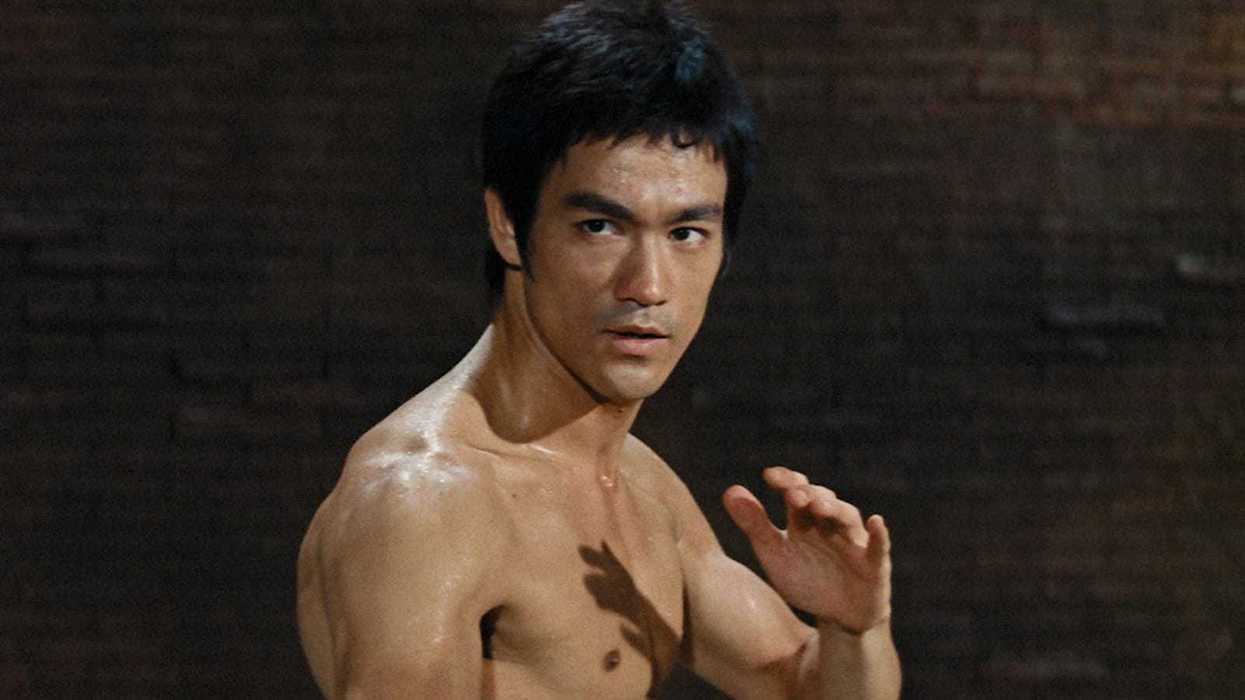
What happens when a true artist gets full creative control to film their movies? Well, in The Way of the Dragon, Bruce Lee crafted one of the most iconic fight scenes against the legendary backdrop of Rome’s Colosseum.
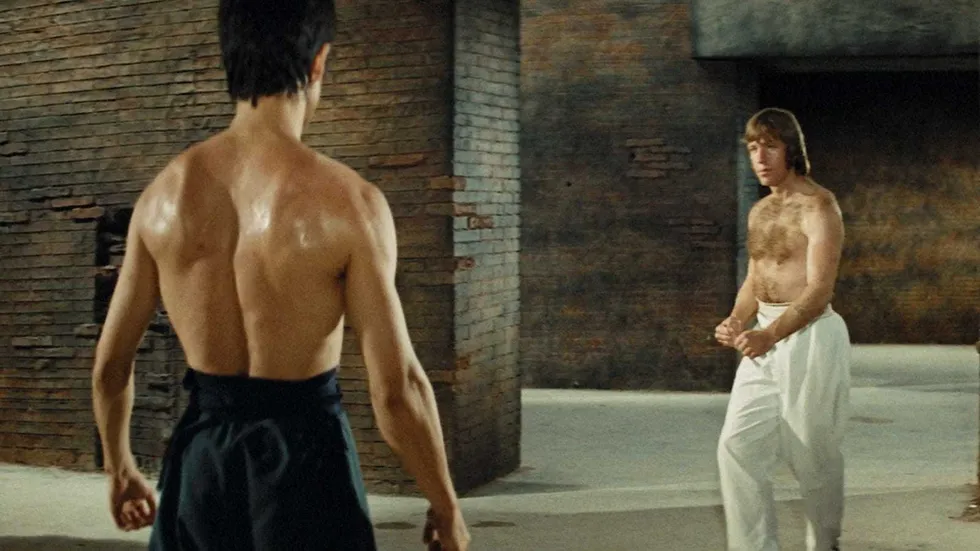
The kung-fu master brought in a martial arts legend and star, Chuck Norris, who made Lee bleed and the audience gasp. The fight itself had a three-act structure with stunning cinematography. Lee’s kung-fu and Norris’ karate fight choreography were on full display, but the concluding 10-minute showdown was filmed illegally.
Let’s dive deeper to understand why it remains the most important scripted fight in the history of cinema.
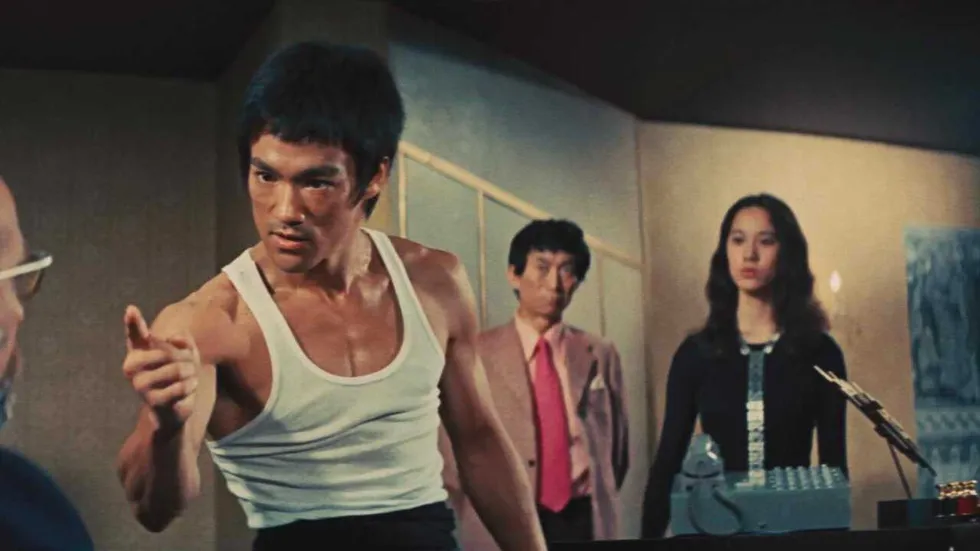
How Bruce Lee Took Creative Control
 'The Way of the Dragon' (1972)Credit: Bryanston Distributing
Before The Way of the Dragon, Bruce Lee had built his reputation through two Hong Kong productions: The Big Boss and Fist of Fury, both box office successes that made him a cultural phenomenon across Asia.
Despite that success, Lee was frustrated. His director, Lo Wei, controlled his performance, his personality, and his action sequences. When Golden Harvest offered him a third film, Lee's terms were simple. He would write, direct, produce, and star in it.
If they wanted Bruce Lee, they had to let him be Bruce Lee. They agreed.
A Hong Kong Movie in Rome’s Colosseum?
 'The Way of the Dragon' (1972)Credit: Bryanston Distributing
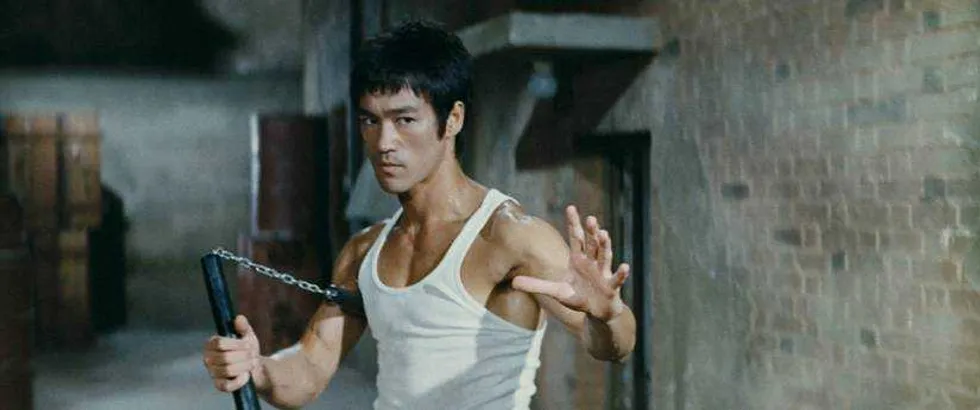
At a time when a kung-fu movie had to be filmed in Hong Kong, Lee’s decision to move the entire production to Rome’s Colosseum to shoot the epic fight must have confused everyone.
Lee had watched the 1960 epic Spartacus, where he got the idea of two gladiators fighting it out without weapons, just skill against skill inside the Colosseum. No music and no commentary, just two men hurting each other.
Instead of building a replica set of the Colosseum, Lee decided to shoot inside the Colosseum, the same arena where actual gladiators fought to the death, nearly 2,000 years ago. He wanted his audience to feel the place's authenticity and history to elevate his showdown with Norris.
Shooting in the Colosseum
 'The Way of the Dragon' (1972)Credit: Bryanston Distributing
What Lee pulled off inside the Colosseum had never been done before and hasn't been repeated since. Filming there is illegal. Even big-budget productions like Gladiator had to build replica sets rather than shoot in the real thing.
Lee knew this and worked around it. According to Matthew Polly's biography Bruce Lee: A Life, Lee bribed Roman officials to get access, then had his crew enter posing as tourists with cameras hidden in their bags.
They had a few hours at most before the window closed. That time was enough to capture the exterior shots, the entrances, and the fighters circling each other, but not the full fight. The remainder of the sequence was shot back at Golden Harvest studios in Hong Kong and cut together with the Colosseum footage. The blend is seamless enough that most viewers assume the entire sequence was filmed in Rome.
The Fight
The fight itself was structured and choreographed by Lee in a way that it captured how rigid fighting styles fail against fluid ones.
The fight starts with Norris coming out guns blazing: he is strong, disciplined, and ruthless with his karate. He made Lee bleed and dominated the fight from the start. For the audience, it was a horror to watch their favorite martial arts hero being punched, kicked, and outclassed. It felt like this was the fight where Lee might meet his match and go down.
But something changes mid-fight. Lee begins to bounce on his toes more, his confidence rises, and at one point, he grabs a fistful of chest hair from Norris, rips it out, and blows it away, an absurd and exciting moment hinting that Lee’s character has found his rhythm and is back in the game.
Soon, the predator becomes the prey as Lee’s character adapts to the fight and overwhelms Norris’ character until the kill.
Even when the fight ends, Lee’s directorial genius shows in how his character responds to his opponent’s death. Unlike any other action movie where the hero would actually celebrate or cherish the moment, Lee shows something you never expect: pain and sadness. He picks up Norris’ karate uniform and black belt to drape over his body, and gives him a warrior’s funeral.
Norris was originally a professional fighter, not a movie star. But his expressions in the moments of striking and getting his nose punched in were some of the best pieces of acting in an action film.
The Silent Observer
Lee intercuts the fight with shots of a cat watching from the sidelines. It's an odd touch that works. The cat is indifferent, unhurried, waiting. Every time Lee cuts to it, the implication is that his character has already read the fight and is simply letting it play out.
- I’ll Beat It Out of You: The Story Behind the Toughest Line in ‘Code of Silence’ ›
- 10 Best Chuck Norris Movies ›
- Here's How Tarantino Pulled Off That Epic Bruce Lee Fight In 'Hollywood' ›
- Be Water, My Friend: 9 Bruce Lee Lines That Turned Philosophy Into Action ›
- This Chuck Norris Quote Was So Awesome It Changed Action Movie Genre Logic Forever ›
- “Very Good. But Brick Not Hit Back”: How Bolo Yeung’s One Line Defines the Legacy of ‘Bloodsport’ ›