5 Classic Movies Packed with Symbolism that You Probably Missed
A closer look at these films can reveal profound meanings.
'Inception' (2010)
Some of the greatest movies ever made are secretly packed with hidden meanings and symbolism that masterfully affect audiences on a subconscious level or on repeat viewings. While we are likely to draw parallels between a film’s messaging and something we already know on a subconscious level, repeat viewings also have the power to deepen these symbolic associations significantly.
When movies “linger” in your memory, it could often be due to a great performance, a strong plot device, or something obvious on the surface. However, on rare occasions, this happens because the film conveys something so profound that it affects the viewer on a deeper level.
The following classics aren’t just great movies. They are carefully loaded with symbolism and hidden meanings that often go unnoticed, and that’s not a problem.
Let’s take a look at five beloved movies that were packed with meanings we probably missed.
5 Incredible Films With Deep Symbolism
Here are five films with hidden meanings that were almost impossible to notice on the first viewing.
1. 2001: A Space Odyssey (1968)
Directed by Stanley Kubrick
It’s not a secret that Stanley Kubrick’s entire filmography is laden with films that are heavily stylized and symbolic. This 1968 space adventure is perhaps the most iconic manifestation of his love for ambiguity and the unknown. However, when we peel the layers of this timeless classic, there are quite a few notable meanings we may find ourselves rewarded with.
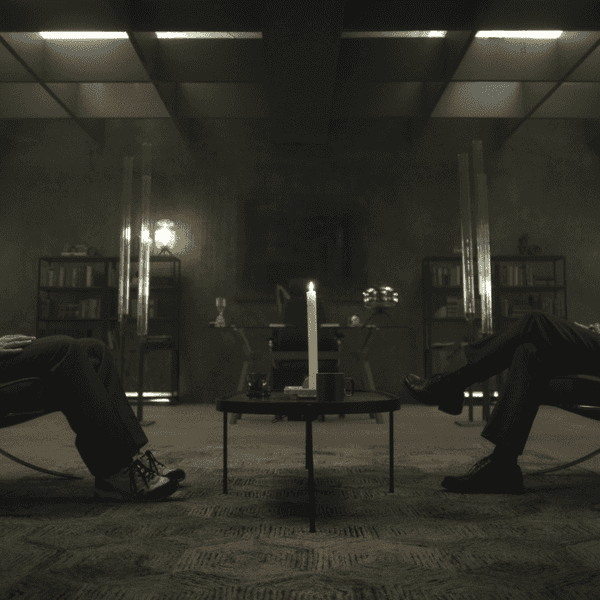
One of the movie's core “explorations” is the idea of human evolution. The black monolith serves as a symbol of transcendence through time, appearing at pivotal moments in the story and connecting various “spaces” with one another. The most popular cut in the film, a transition from a bone to a spacecraft, is a fascinating example of its deeper references because it underscores the continuity of violence and technology as “tools” remain dominant in vastly different eras.
The list of hidden meanings is almost never-ending; however, another one we cannot miss is the very conceptualization of HAL and its eventual descent into murder. The entire sequence serves as a chilling warning about the threat of artificial intelligence, a subject that is exceptionally relevant today.
2. Inception (2010)
Directed by Christopher Nolan
If Stanley Kubrick’s movies dominated the “thought-provoking” cinematic space back during the 1960s with films like 2001: A Space Odyssey, in today’s era, Christopher Nolan has been dominating similar conversations about ambiguity and hidden meanings in his films.
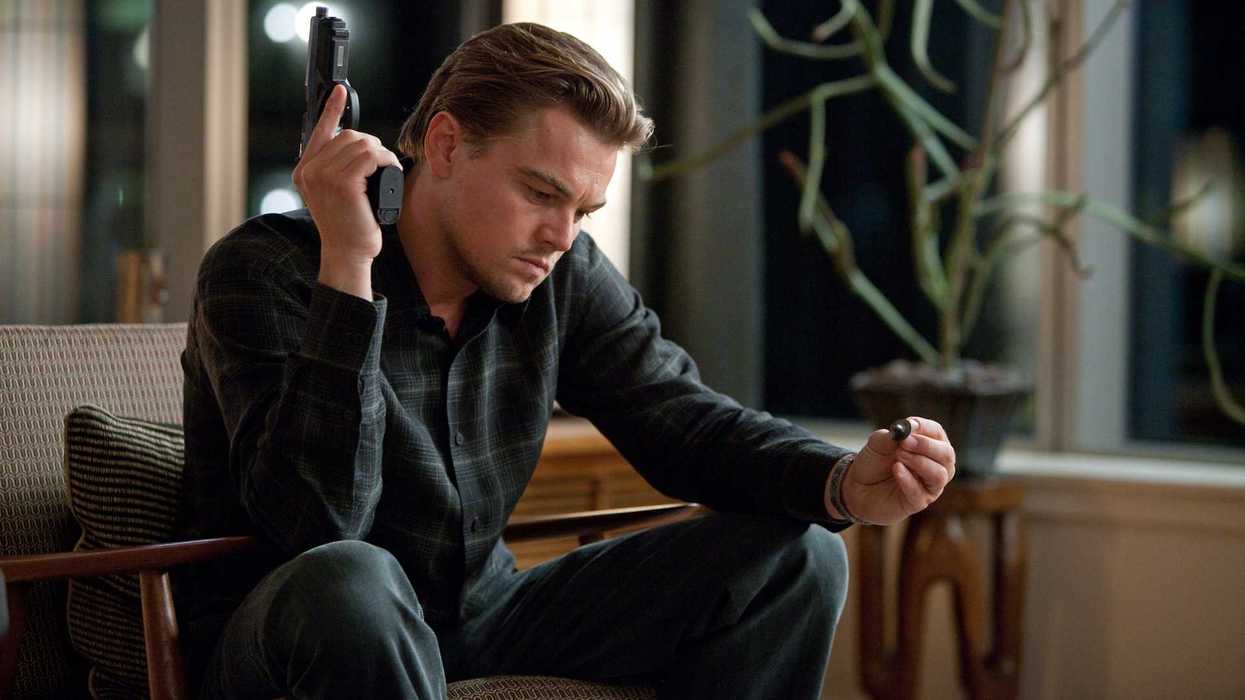
Just like the dream structures in the movie, Inception works on “many levels”. While it is a fabulous heist film, it is also a hostage thriller. But when we look even deeper, we can find profound symbolism about the fragility of perception and the power of the subconscious. The movie, which obviously puts the very concept of dreams at the center of its story, is written with a keen understanding of how dreams work. The film’s architecture of collapsing cities and the perception of infinity through mirrors and staircases is based on a stellar knowledge of the human mind’s labyrinth and how our brain “constructs” dreams. Its depiction of “dream layers” symbolizes deepening repression and the rawness of our subconscious. The film’s vastly debated ending forces viewers to question their own perception and reality. Does the top fall? Was all of this just a dream?
3. Spider-Man Trilogy (2002-2007)
Directed by Sam Raimi
Sam Raimi’s Spider-Man trilogy is often considered one of the finest modern-day superhero trilogies, but have you ever tried to peel the layers and look deeper into the messaging these movies carry? Let’s take a shot.
“With great power comes great responsibility” isn’t just a fabulous movie quote. It echoes moral parables about personal sacrifice for a greater purpose. Uncle Ben’s (Cliff Robertson) death and Peter’s (Tobey Maguire) subsequent choices parallel strong redemption arcs that work on a regular, “human” level even when we ignore the superhero angle. Peter’s “burden” is a huge part of the first movie, and in the subsequent sequels, it weighs down more and more heavily, again drawing a powerful parallel with regular life, especially when we consider how the story uses love as an anchor.
4. No Country for Old Men (2007)
Directed by Joel & Ethan Coen
The Coen brothers’ stark thriller uses Anton Chigurh's (Javier Bardem) coin toss as a chilling symbol of fate versus human will. What is chance, and how much can a human being lose to chance? The movie frequently lingers on this subject to say, “It’s not mere luck; it's fate.” Fate is a much more powerful storytelling layer than just luck, because it goes a lot deeper. In the film, Tommy Lee Jones’s Sheriff Bell represents an old moral order while Bardem’s Chigurh is a manifestation of modern evil. Chigurh treats life in the most transactional way possible. In his world, mercy does not exist. Bell finds himself on the other end of this spectrum. The film is a fascinating observation of humankind and a masterclass in how a worldview can build character.
5. The Lord of the Rings Trilogy (2001-2003)
Directed by Peter Jackson
This phenomenal trilogy centers on the One Ring as the ultimate symbol of power that can twist the noblest people toward evil. The film’s powerful representation of the addiction to power, greed, and the lust for control is underscored by how it changes a person even with a single glance at the ring, let alone holding it or wearing it. The wearers of the ring are isolated from the rest of the world, yet attract its darkest forces. Frodo’s (Elijah Wood) burden and Sam’s (Sean Astin) loyalty embody sacrifice and friendship as powerful counters to corruption. The entire film is filled with heavy symbolism, and the One Ring’s eventual destruction in Mount Doom symbolizes the rejection of dominance and a sense of renewal.
Summing It Up
Every one of these movies endures not only because they are very “well made” but because they are layered with deeper meanings that are profoundly applicable to everyday life. Some found these meanings on repeat viewings, while others never did, but everyone who watched these movies was affected by their inner truths on a human level.
Which film do you love most for its symbolism? Tell us in the comments below.
- That Broken Vase in ‘Atonement’ Means More Than You Think ›
- The 'Gladiator II' Ending Explained: Swords and Symbolism ›
- Watch: Symbolism, Satire and Social Horror in 'Get Out' ›
- How Did Denis Villeneuve's 'Prisoners' Use Mazes as Its Central Symbol? ›
- How Martin Scorsese Layers Symbolism and Color in 'The Departed' ›
- Decoding the Chilling Symbolism of ‘Get Out’ ›
- What Is Symbolism? ›
- Seeing Red: The Supernatural Signal in ‘The Sixth Sense’ | No Film School ›
- More Than Just a Party: Decoding the Symbolism of Bad Bunny’s Super Bowl LX Halftime Show | No Film School ›
- 5 Iconic Tommy Lee Jones Roles | No Film School ›