5 Cinematic Universes Hollywood Tried—and Failed to Launch
Cinematic universes are difficult to crack; many have tried.
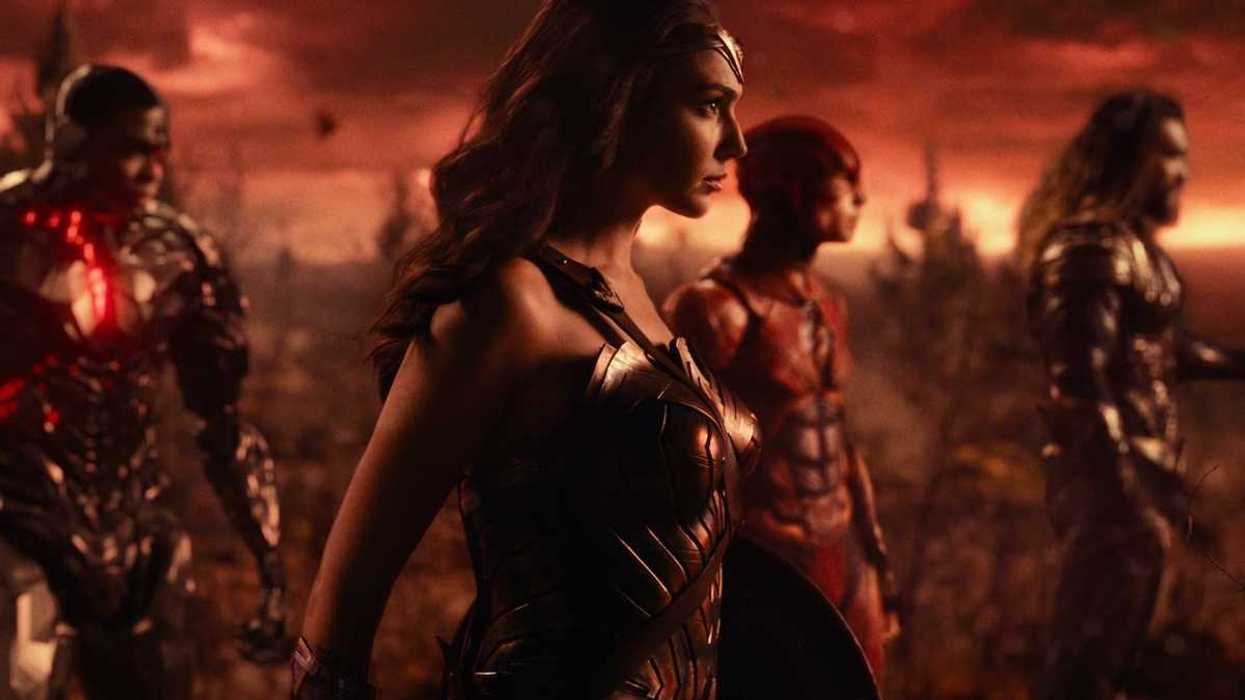
Justice League (2017)
Cinematic universes are nothing new — god knows why everyone’s creating one these days.
The idea of interconnected stories spanning multiple movies had existed in cinema even before the MCU. However, Marvel is widely hailed as the one who triumphantly mastered this craft in the past.
But as cinematic universes are surprisingly tricky to craft and sell to the public, even Marvel has had its fair share of fumbles along the way, despite being one of the highest-grossing film franchises.
Apparently, many big studios have fallen flat on their face with unbearable losses while attempting to craft them. Let’s go over such cinematic universes and find out why they never got off the ground.
Cinematic Universes That Never Took Off
1. The Amazing Spider-Man Universe
At the time, the news of Andrew Garfield replacing Tobey Maguire as the new Spider-Man totally stirred up the industry and got fans excited. But I think it was too soon to be showing Peter Parker’s origin story (again) post Sam Raimi’s Spider-Man 3 (2007) — it just sets up fatigue. Matt Reeves understood this and didn’t show the Caped Crusader’s origin in The Batman (2022).
On top of that, the franchise shifted its focus from Peter Parker’s regular, more grounded struggles to larger conspiracies and complex storylines — possibly leading to the “Sinister Six” storyline. Moreover, in The Amazing Spider-Man 2 (2014), the villains — Electro and Green Goblin — felt weak and poorly written despite strong performances by Jamie Foxx and Dane DeHaan, respectively.
After the second installment failed to meet Sony’s blockbuster goals, studios started to think in the other direction, as did Andrew Garfield. And this is how The Amazing Spider-Man revival became the weakest of them all. People still had hope for a third movie following Venom (2018), but Sony had lost confidence in The Amazing Spider-Man Universe by then. They struck a deal with Marvel to revive Spider-Man with Tom Holland under the mask.
2. DCEU — Snyderverse
This is the biggest example of why you shouldn’t rush into things. Personally, I had high hopes for Zack Snyder’s DC universe. Finally, DC seemed to go toe-to-toe with the Marvel Cinematic Universe with its Man of Steel (2013) starring Henry Cavill as Superman. It had a darker, grittier, and hopeful theme that received mixed reviews from the audience.
Then, they rushed to keep up with Marvel — but they had already been so late to the party. As a sequel, DC released Batman v Superman: Dawn of Justice (2016) without a prior Batman movie. Within it, we got Wonder Woman (Gal Gadot), the silver lining.
Wait for it, as it also gave us hints of Aquaman (Jason Momoa), Flash (Ezra Miller), and Cyborg (Ray Fisher), leading to a premature and controversial Justice League (2017), reworked and with Joss Whedon’s direction credits. It profusely underperformed (remember Henry Cavill’s CGI-deleted moustache).
Movies like Wonder Woman (2017), Aquaman (2018), and Shazam (2019) tried to cover the damage, but it was clear that an overhaul was needed. In 2022, DC announced that James Gunn would be taking over the DC universe, starting with a clean slate. His new Superman (2025) movie received good reviews globally. Let’s see if Gunn can be the savior of DC’s extended universe.
3. The Future of The Dark Universe was Too Dark
When Marvel was at the center of Hollywood in the 2010s, Universal Studios finally introduced its long-awaited monster universe. As they already had the rights and had previously banked on some of the iconic monster characters, the studio had planned to choose a stellar cast — Invisible Man was going to be played by Johnny Depp, Dr. Jekyll by Russell Crowe, Frankenstein’s Monster by Javier Bardem, and Bride of Frankenstein by Angelina Jolie.
Even though Dracula Untold (2014) unofficially kicked off the universe, it all depended on The Mummy (2017), led by none other than Tom Cruise. Unfortunately, the movie bombed critically and failed to pull the audience to the box office. Moreover, the accidental leak of the unfinished trailer garnered negative publicity even before the movie's release.
As the high hopes riding on the big horse derailed, Universal Studios pulled the plug on its universe thing. Shortly after in 2020, studios released a standalone Invisible Man movie, without Johnny Depp, which was a commercial success and received positive reviews from the critics.
4. Sony’s Spider-Man’s Villain-Verse
The Villain-Verse gave us another reminder that rushing into things might topple the universe even before it takes flight. Sony had already failed to replicate Sam Raimi’s success with the original Spider-Man series in The Amazing Spider-Man universe, largely due to weak villains.
So, while creating a world with Spider-Man’s standalone villain movies, they started with Venom (2018), which received a fairly good response. It was followed by some confusing movies like Morbius (2022), Madame Web (2024), and Kraven the Hunter (2024). I mean, the absence of Spider-Man in these villain movies was bound to hamper the big expectations attached to them. Plus, these movies were not critical successes, and the financial part was even worse.
The Villain-Verse failed to craft a compelling narrative on screens despite the financial success of the Venom films. Sony eventually realized they had missed their target again, and that too badly this time. Honestly, there is no universe of Spider-Man’s villains without Spider-Man, and that is the reason why Spider-Verse movies created a compelling form of cinema (although several other aspects made the Spider-Verse series stand out).
5. Green Lantern
As the world watched the Marvel Cinematic Universe take shape, starting from the Iron Man movies, DC jumped up with its own underdog superhero movie, Green Lantern (2011), starring Ryan Reynolds in the lead.
The results were not short of disastrous, as it continues to be mocked — poor script, rushed world-building, and heavy green-screen & CGI usage, leading to underwhelming visuals. On top of that, the movie didn’t even do half of Iron Man’s box office numbers from three years ago in 2008. Moreover, critics and sites like IGN tore the movie apart, and rightly stated that the DC Cinematic Universe is over even before it began. The Green Lantern character remains a far-fetched dream for DC fans to be portrayed in a good light on screen.
In a crazy turn of events, Ryan Reynolds actually mocks his decision of choosing to do Green Lantern in the “fourth-wall-breaker” Deadpool 2 (2018), as he time-travels in the past using Cable’s watch and shoots himself before signing the Green Lantern script.
Conclusion
Even after the playbook of what not to do for creating a Cinematic Universe through such great examples, many Studios tried their hand at it anyway and failed miserably. And here I am, still waiting for DC to kick off one more time.
Which Cinematic Universe did you have high hopes for? And which one do you think should revive, again?
Let us know in the comments.