Gandalf’s “Fool’s Hope”: A Profound Truth in ‘The Lord of the Rings’
Gandalf’s bleakest line is also one of his most powerful.
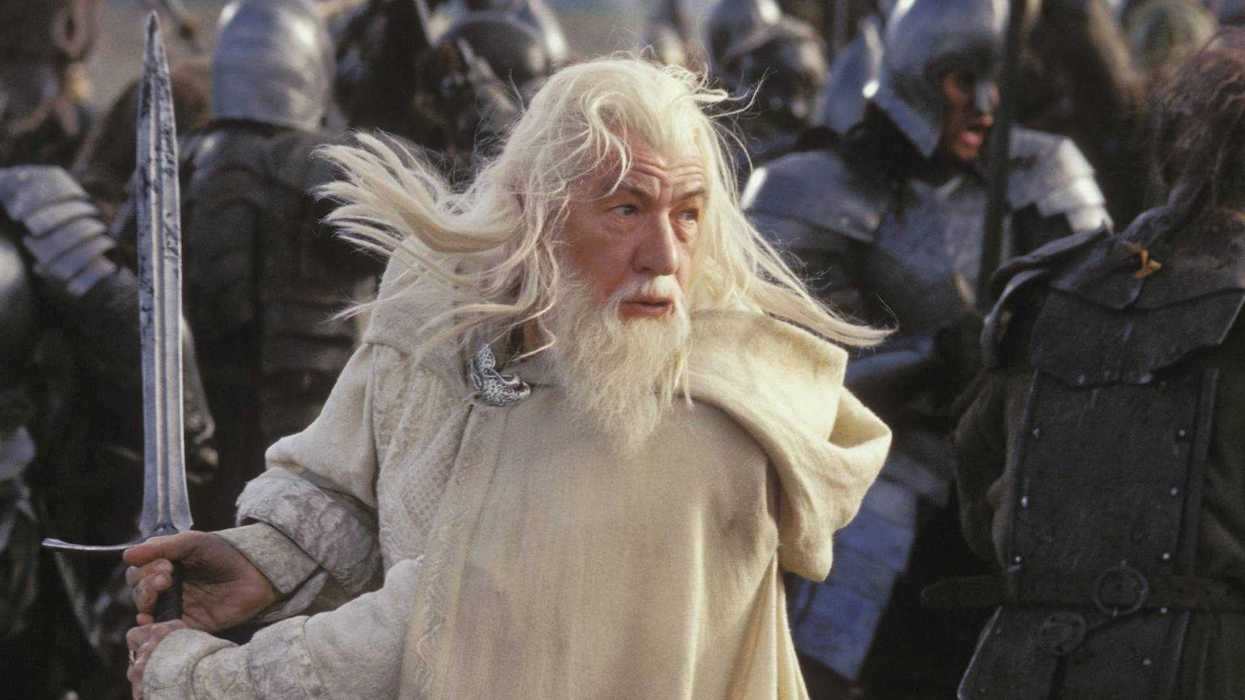
The Lord of the Rings: The Return of the King (2003)
In the epic climax of Peter Jackson’s The Lord of the Rings: The Return of the King (2003), the idea of hope finds itself in a moment of fragility, honesty, and bleakness. During the siege of Minas Tirith, when enemies gather, and defeat feels inevitable, Gandalf delivers a line that sounds like surrender, but isn’t.
“There never was much hope. Just a fool’s hope” is one of Gandalf’s bleakest yet most powerful lines in the entire Lord of the Rings trilogy. With his quintessential wisdom, he smiles and admits the moment’s truth to Pippin. There was never an expectation of victory, and their hope was always fragile.
Though this line is bleak and devoid of optimism, it makes us think, if hope was indeed that of a fool, why would Gandalf choose to indulge in it? The answer to that question is what makes this quote both powerful and enduring.
So, why is this line considered one of Gandalf’s finest quotes? And what is the real meaning behind “a fool’s hope”?
Let’s jump right in and explore.
Context Of The Line
The line “There never was much hope. Just a fool’s hope” is spoken by Gandalf (Ian McKellen) to Pippin (Billy Boyd) in The Lord of the Rings: The Return of the King (2003), directed by Peter Jackson. It is spoken during the Siege of Minas Tirith, the pivotal battle for the state of Middle-Earth.
By this point in the film, the city of Minas Tirith is surrounded by Sauron’s armies, and the overwhelming sense of defeat looms large. During this moment of impending doom, Gandalf shares a quiet moment with Pippin as the City’s defenses continue to falter.
Pippin innocently asks, “Is there any hope, Gandalf? For Frodo and Sam?” Gandalf adjusts himself, lightly smiles, and says, “There never was much hope. Just a fool’s hope.”
With these words, Gandalf acknowledges the brutal truth that their plan was never built on “military superiority” and hence, logic never supported them. Their “hope” rested on Frodo and Sam making it safely to Mount Doom, and the idea of victory was essentially fragile and incapable of holding up in times of the difficulties that were also expected.
So what then does Gandalf mean by a “fool’s hope”? On the surface, it sounds as though they never had any hope at all. But knowing Gandalf, would he indulge in such an exercise? Absolutely not.
Let’s dive deeper and try to understand what he meant by these words.
What Did Gandalf Mean By “A Fool’s Hope”?
When Gandalf tells Pippin, “There never was much hope. Just a fool’s hope”, he articulates a profound truth about the nature of hope itself. What makes one kind of hope different from another? When we think about it, hope tells us more about the person who hopes for something than what it tells us about what they are hoping for. In this context, what does it tell us about Gandalf?
Well, Gandalf always knew that the idea of victory against Sauron’s armies and the expectation for Frodo and Sam to carry the One Ring into the heart of Mordor and destroy it was always against all imaginable odds. This is precisely what makes him wise, doesn’t it? If Gandalf expected victory at all costs, with the context he is so deeply aware of, that would make his wisdom questionable.
When Gandalf uses the words “A fool’s hope”, he acknowledges their hope was always fragile and that he had accepted this long before their current difficulties. Why then did he still have hope? Well, because “a fool’s hope” was all that could be clung to.
“A fool’s hope” is defiant. It wants to achieve victory even when the idea of it is ridiculous and unimaginable. It is humble because it accepts its weaknesses. It is self-aware because it is not denialist. Interestingly, a “fool’s hope” is intelligent simply because it knows that it stands a small chance.
Gandalf was always aware of the insurmountable difficulties Frodo and Sam would face. He knew that Sauron’s armies were going to overwhelm them. He knew that defeat was the likeliest outcome. But it was his “fool’s hope” that made everyone, including the audience, believe that victory was possible, odds could be overcome, and the unlikeliest duo could do what the most powerful couldn’t even dare to imagine.
Lessons From This Quote
“There never was much hope. Just a fool’s hope” is a Gandalf line that isn’t just a great movie line; it carries a profound philosophical truth about the nature of hope itself. Here are three key takeaways from it.
True Hope Defies Logic
“A fool’s hope” is the most self-aware aspiration that is capable of defeating opposing logic. Gandalf’s words to Pippin remind us that true hope always overcomes logic simply because the latter is designed to oppose the former. The most powerful hope persists even when reason says it's impossible.
Difference Between Hope And Blind Optimism
“A fool’s hope”, as we’ve discussed, is defiant. It isn’t a form of blind optimism. In fact, it is antithetical to the very nature of being blindly optimistic. Gandalf does not pretend the odds are good. He faces the grim truth head-on.
The Unlikeliest Heroes Can Be The Greatest
Gandalf reminds us that their victory does not depend on a grand battle but rather on humility, quiet determination, and the acceptance of their weaknesses. Real hope isn’t about denying reality but about refusing to accept defeat.
Summing It Up
“There never was much hope. Just a fool’s hope” may be one of Gandalf’s bleakest lines in The Lord of the Rings, but it is one of his most honest. “A fool’s hope” teaches us that some of the greatest victories in the history of mankind were won by defeating unlikely odds, just like the ones faced by Gandalf, Pippin, and their allies in that moment. Acknowledging one’s odds is not pessimism but acceptance of reality.
Which is your favorite quote from The Lord of the Rings? Tell us in the comments.- The Tiny Dialogue Change That Made Gandalf’s Line Into One of Cinema’s Greatest Moments ›
- Peter Jackson Erased Gandalf’s Most Important ‘The Lord Of The Rings’ Line ›
- Why Some Movie Deaths Are Unintentionally Hilarious (and Others Aren't) | No Film School ›
- Why You Should Watch 'The Lord of the Rings' This Holiday Season | No Film School ›
- Here's What the 'Lord of the Rings' Series Spent $1 Billion On ›
- “A Wizard Is Never Late, Nor Is He Early.” - Wisdom Behind Gandalf’s Powerful Line In ‘The Lord Of The Rings’ ›
- The Wisdom Behind Gandalf’s Words On Life And Death ›
- Why Gandalf at Minas Tirith Is One of the Most Perfectly Composed Shots in The Lord of the Rings ›