Why Gandalf at Minas Tirith is One of the Most Perfectly Composed Shots in 'The Lord of the Rings'
This frame is a masterclass in composition.
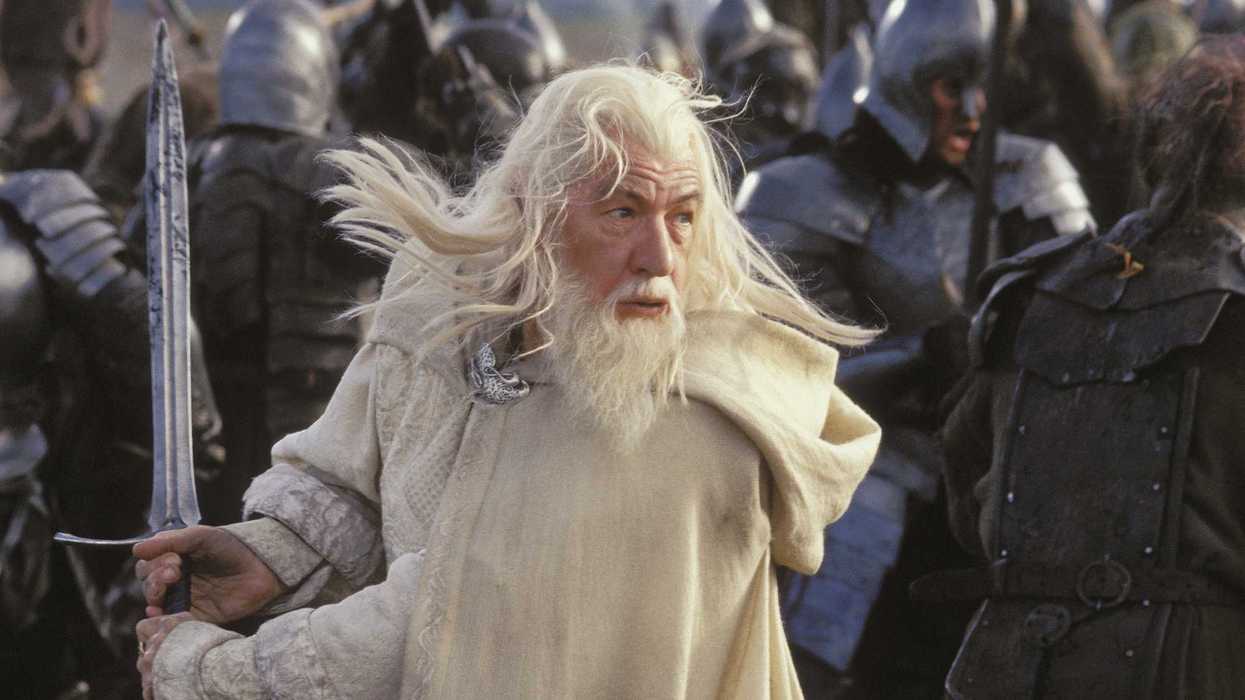
'The Lord of the Rings: The Return of the King' (2003)
In The Return of the King (2003), Peter Jackson’s third installment of the beloved The Lord of the Rings trilogy, few moments capture the dramatic intensity and soul of Middle-earth like the one in which Gandalf rides out during the siege of Minas Tirith.
Ian McKellen’s Gandalf rides into the battlefield, while the presence of the Nazgûl could easily break our morale and dampen our spirits. The entire sequence is composed to absolute perfection, but it reaches its high point when Gandalf rides forward, and the army surges in from the left.
This shot turns absolute chaos into cinematic poetry. Through sweeping visuals that blend masterfully, this single shot doesn’t just advance the battle; it is a testament to how hope refuses to yield.
So, what exactly makes this shot so special? What can it teach us about creating and controlling chaos at the same time?
Let’s jump right in and explore.
The Geometry Of Light And Darkness
When we consider how light and darkness are essentially two opposing forces in not just this shot, but pretty much the entire trilogy, we can better understand just how significant an achievement this shot really is. Gandalf, clad in radiant white and mounted on the luminous Shadowfax, occupies the brighter part of the frame. The Nazgûl dive in, adding horror and threat from up above.
This “divide” is not as simple as splitting the screen in half because the army, storming in from the left, is Gondorian. The brilliance of the shot lies in how it captures this light, from Gandalf’s side, and the army under threat, and the darkness that occupies the upper part of the frame.
When Gandalf lifts his staff, a beacon of piercing white light enters the sky. The army continues to advance. Gandalf moves forward, and then to the right, the same direction as the army.
This geometric tension mirrors the larger war, which constantly reminds us of one theme: light refusing to be swallowed up by darkness. Every critical moment in the trilogy carries symbolic significance, and just like we see in this scene, every contrast feels intentional and artistically superior. This scene is a classic example of how the greatest filmmakers can make a frantic battlefield appear almost sacred and meaningful.
How The Frame Seamlessly Controls Chaos
This shot is a terrific example of creating and controlling cinematic chaos. Let me explain. The camera tracks smoothly with Gandalf as he moves forward. We stay locked in on Ian McKellen’s determined posture, but then, all of a sudden, we are reminded of the very scope of the film’s world.
The extreme wide shots of the open field, the army, Gandalf, and the Nazgûl have an immediate and multiplying effect on the scene. The wizard’s presence feels almost spiritual. His white attire maintains his prominence even in the widest, most distant shots. Even though he isn’t particularly at the center, he remains the anchor, the fixed point around which everything else orbits. The Nazgûl’s mid-air confrontation adds vertical chaos, but the frame moves steadily forward.
Multiple vectors of motion, horizontal, vertical, and diagonal, exist within the same shot, and it never ceases to look alluring. This tremendous “control” over the elements isn’t just a lesson in composition but a lesson in filmmaking in general. Not once does this shot feel “visually noisy”. Every element does its job with precise cinematic intention. Nothing feels overdone or underdone. In other words, Peter Jackson does not unnecessarily “extend” the moment because of its cinematic superiority. He keeps it subtle and almost fleeting, which is a testament to his impeccable artistic talent.
Cinematic Hope Under Dramatic Pressure
Under the crushing weight of Sauron’s assault, this shot becomes a quiet, poetic declaration of resilience under pressure. But what makes it even more special is how it creates this pressure only to establish cinematic control over it.
In the sequence, the Nazgûl remain overwhelming, and the city is under direct threat. Gandalf’s act of riding forward shifts the power dynamic. His raised staff isn’t just about magic; it is a visual metaphor for courage against relentless dark forces.
As the army surges in from the left, Gandalf becomes a rallying figure for all of them, and us. He becomes a symbol of hope, and this is exemplified by the white light. When this white light bursts forth, it pushes the Nazgûl through force and symbolic defiance alike.
This shot and this sequence echo Tolkien’s themes of light standing up against the shadows, of defiance for the sake of goodness and victory even in times of absolute uncertainty. This single shot is extremely meaningful in the larger context of the film because it perfectly captures the trilogy’s emotional logic: resistance, no matter how big or small, always matters.
Summing It Up
This one shot of Gandalf pressing forward, Nazgûl overhead, and the army flooding in from the left stands as one of the finest, most perfectly composed shots of all time. It captures the film’s emotional core of courage in the face of overwhelming odds. Every single element of the frame is arranged to serve a single, powerful idea. Most importantly, like many such incredible moments in the trilogy, it uses the logic of “less is more” to symbolize something deep and meaningful.
Which is your favorite shot from The Lord of the Rings trilogy? Tell us in the comments below.- What Gandalf Teaches Us About Choice In ‘The Lord Of The Rings’ ›
- The Wisdom Behind Gandalf’s Words on Life and Death ›
- Gandalf’s Final Goodbye Was One of the First Scenes Ian McKellen Shot for ‘The Lord of the Rings’ ›
- The Tiny Dialogue Change That Made Gandalf’s Line Into One of Cinema’s Greatest Moments | No Film School ›
- The Real Meaning Behind Gandalf’s “Never Late” Line in ‘The Lord Of The Rings’ ›
- Gandalf’s “Fool’s Hope”: A Profound Truth in ‘The Lord of the Rings’ ›