The Heist Movie Ingredients Every Screenwriter Should Know
Tony DiGerolamo on the choice every heist screenwriter has to make before the first page.
You probably know that there are hidden formulas in most genre works. A Hallmark holiday movie has beats that it hits like clockwork. Marvel comic book films are reliable stories for most fans. Romance, adventure, action, sports—you name it, you can probably predict how the narrative will go.
So what about heist movies?
Writer Tony DiGerolamo has been working in the crime and mafia space for a long time, as a novelist (the Pinelands series, 21 books), a comics writer (Super Frat, The Webcomic Factory), and the author of the tabletop RPG sourcebook Complete Mafia for D20. In a recent YouTube rant prompted by a viewer request, he walked through what he's learned about writing a heist movie that doesn't feel like it's already been made a hundred times.
Let's dive in.
- YouTube www.youtube.com
Commit to a Tone
DiGerolamo's first point is that the heist genre can run anywhere from gritty realism to light comedy, and that your choice of tone will dictate everything else.
"You'll notice a lot of these are very light," he said of his examples. "Some of them are very dark. The more realistic ones are dark. The less realistic ones are light, because if you do sort of like a borderline comedy, it's, number one, a lot more fun to watch and you could take a lot more liberties. People aren't going to get mad at you if it's not totally unrealistic."
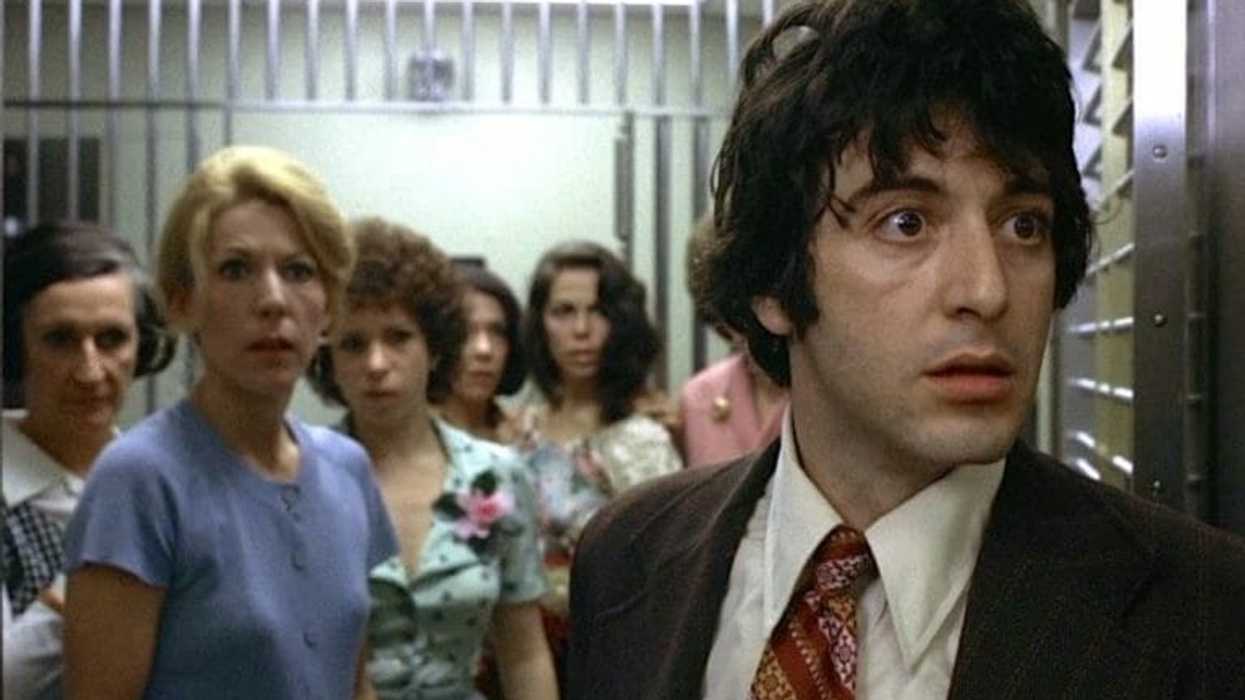
At the dark end, you get movies like Heat, The Brink's Job, Dog Day Afternoon, The Town. These are films where the crime is real, the stakes are big, and audiences will punish you for sloppiness. There's likely to be a lot of violence, with the threat of capture or death weighing heavily on the characters' minds.
At the light end, you get Tower Heist, The Sting, The Italian Job, the Steven Soderbergh Ocean's films, Now You See Me, where the fun is the fantasy and audiences will forgive plot logic as long as they're having a good time. The thieves are easy to believe as good guys, even if they're lying and stealing. Crime in these movies is portrayed as a bit sexy, or perhaps it's easier to believe the target "deserves" to be robbed. There is little risk of characters dying.
If you need more examples, check out the 11 greatest heist movies of all time, which run the same spectrum. If you're writing a heist film, where does it fall? Pick a tone and keep it consistent.
Your Criminals Should Be Likable
In a heist film, the thieves are your protagonists. We need to be able to root for them or at least understand why they're doing what they're doing. This is regardless of tone. So what you need to think about is a character's background and motivation.
In Heat, Neil McCauley (Robert De Niro) is technically not a great guy. But he's smart and driven—and he starts to see a version of his life where he's not a thief, and that possibility helps flesh him out as a character we can pull for. If he just does this one last job, maybe he can break free. He's also a man with a code, which viewers can respect.
"If it's a realistic heist, and they're just robbing banks because they want money, you have to make them very nice guys who fell into a life of crime," DiGerolamo says. "Maybe it's not totally their fault. Maybe they owe money to the mob."
Without moral texture, the audience checks out. Then you're just watching bad people take money. He brings up the Mark Wahlberg character in Play Dirty as an example. He's a criminal, but not one who hurts civilians. Or you have Doug MacRay in The Town and Henry Hill in Goodfellas. They're flawed, criminal, but moral enough for the audience to invest in them.
The comedy end handles this differently. Tower Heist makes the crew sympathetic by making them wronged workers robbing the billionaire who defrauded them. Everyone on Danny Ocean's crew is just too charming not to like, while a greedy casino owner is easy to dislike. In How to Rob a Bank, a viral crew positions themselves as modern-day Robin Hoods.
- YouTube www.youtube.com
Have an Angle, and Know the Technology
DiGerolamo says that heist writing needs two separate research passes. You have one on the criminal ecosystem you're depicting, and one on the technology of the era.
If a heist happens on organized-crime turf, the rules definitely apply. He brings up Goodfellas and characters robbing the airport.
"There are certain rules with organized criminal figures and families regarding robberies like that on their turf, and you have to make sure that they get a piece of the action, or you could find yourself at the very wrong end of a situation."
What about the technology of the era? Will there be CCTV? How is the loot protected? Maybe you have a laser grid like in Entrapment, or armed guards. Will the stolen goods have tracking tags or dye packs?
This can be a fun puzzle to solve as a writer, though you can, of course, take some liberties to get your characters out of jams. Regardless of your tone, giving your characters many obstacles to overcome will keep them active and your audience engaged. Check out some great crime screenplays for additional inspiration.
You can also consider an angle that helps make your story more unique. Your characters don't always have to rob a bank. Maybe the target is an individual, or art, or museum artifacts. Maybe it's something with only sentimental value. Maybe the crew is made up of magicians or clowns or mobsters or social media stars or rich teenagers. Maybe it's just two guys who don't really know what they're doing.
Heist Movie Beats
Here are the things you should establish, along with the typical formula you can follow.
Establish the target. What are your characters trying to steal? And what's the reason they want it?
Build the crew. You might have a montage to introduce each character and what they bring to the team, especially if you're on the lighthearted side.
Show the plan. In a heist film, the audience is almost always walked through how the heist will happen. The plan the audience sees is almost always a lie by omission.
The heist begins, but something goes wrong. You might have a reveal. There's a plan inside the plan the audience didn't see coming. Ocean's Eleven, The Sting, and Now You See Me all have this beat. If you're on the more realistic, gritty side, you might not have that secret plan. You might just have the additional obstacle your hero has to figure out on the fly.
Then you have the escape and aftermath. Who gets caught, who gets away, who wins and loses?
Congratulations, you've written a heist film!