5 Most Iconic Martin Scorsese Characters, Ranked
A deep dive into Scorsese’s most unforgettable characters.
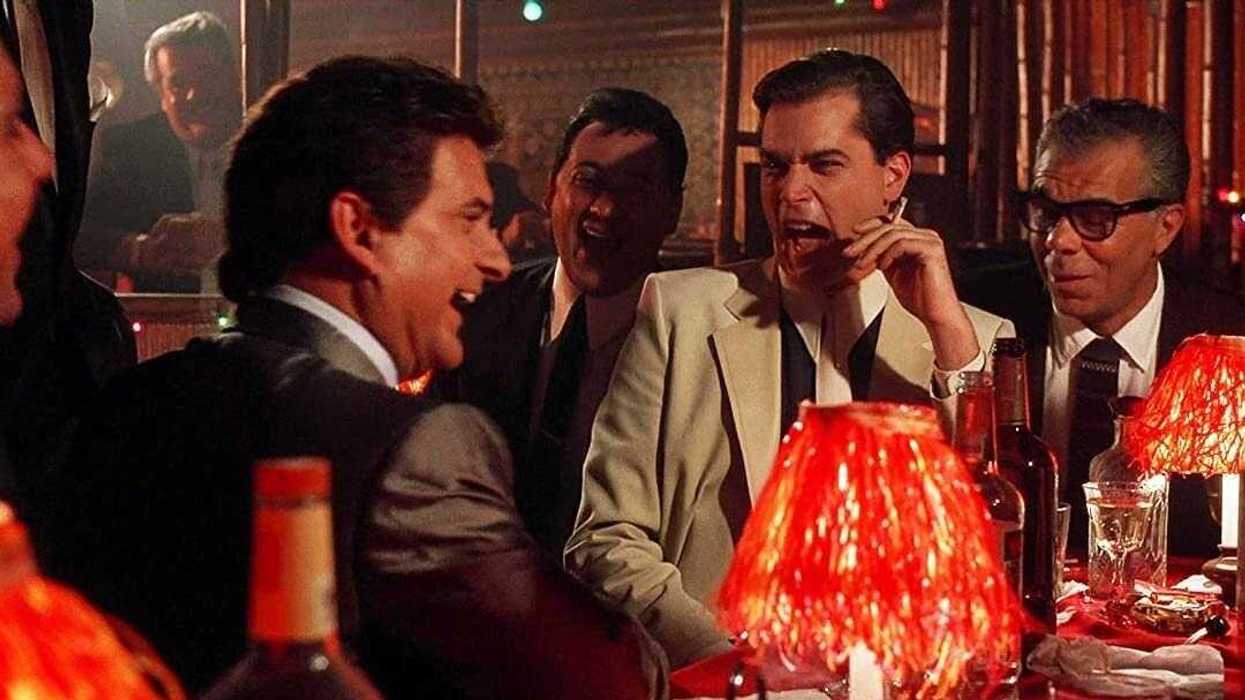
'Goodfellas' (1990)
Martin Scorsese’s filmography is brimming with exceptional characters, many of whom are morally complex, psychologically rich, and most importantly, unapologetically human. Scorsese took the idea of a flawed movie character and elevated it in ways that immerse audiences in their world.
While some of the master filmmaker’s characters continue to incite debates for their moral ambiguity, they remain compulsively rewatchable for just how vividly distinct they are. Scorsese’s films are often based on incredible scripts, and even more often, their characters have been brought to life by some of cinema’s finest actors.
There’s no well-defined criterion for what makes a “great movie character,” and Scorsese’s films are filled with uniquely cinematic characters, many of whom cemented their legacy in popular culture. We’ve compiled a list of five such characters who stand out for their commanding presence and cinematic bravado.
Now, let’s jump right in and explore five of Martin Scorsese’s greatest movie characters, ranked.
5 Most Unforgettable Martin Scorsese Movie Characters
Here are five of the most iconic personalities from Martin Scorsese’s cinema.
5. Jordan Belfort - The Wolf Of Wall Street (2013)
In Martin Scorsese’s modern classic, Leonardo DiCaprio delivers a high-octane performance as the real-life stockbroker, Jordan Belfort. DiCaprio brings an electrifying presence to highlight the character's unchecked greed and addiction. Scorsese’s portrayal of these elements is unabashedly to the point, exceptionally hilarious, never shying away from the man’s moral dilemma and eventual downward spiral. Scorsese and DiCaprio, who had previously collaborated on numerous other great films, found themselves in a unique zone driven by ambition, delusion, and chaos. Scorsese masterfully portrays Belfort’s rise and fall, and in doing so, gives us a movie character who, even today, remains a major part of the cultural zeitgeist. Most importantly, Scorsese brings deep, moral considerations into the film’s third act through DiCaprio’s character, whose performance is staggeringly good.
4. Karen Hill - Goodfellas (1990)
Lorraine Bracco brings unparalleled depth and emotional complexity to Karen Hill in Goodfellas. In many ways, she offers a rare, feminine, insider’s perspective within Scorsese’s complex crime world. What is most impressive about Karen is perhaps her initial scenes in the movie, where her inner strength and resolve are brilliantly visible. As the story goes on, Karen is anything but a bystander. She has a strong role to play not just in the household but in the larger scheme of things, especially in the final act. Throughout the film, her shrewd domestic perspective is not only rare for such a cinematic world but essential to understanding Scorsese’s mafia in a very different way. Karen’s narration gives us a strong insight into the allure of power and the cost of being part of a system one simply cannot escape.
3. Tommy DeVito - Goodfellas (1990)
Frequently credited for creating one of the most iconic scenes from a Martin Scorsese movie, Joe Pesci’s Tommy DeVito is an unforgettable movie character. Tommy is explosive, unpredictable, and terrifyingly casual with his day-to-day mannerisms. He can scare you and entertain you within seconds. Not only is Tommy a fascinating character on the page, but he is also fabulously brought to life by Joe Pesci, who perfectly captures the character's extreme emotions. This famous “Funny how?” scene does a fine job of encapsulating Tommy's unstable nature and, without a doubt, remains the most entertaining scene from a Scorsese movie.
2. Rupert Pupkin - The King Of Comedy (1982)
Speaking of morally complex characters, Rupert Pupkin from The King of Comedy redefines the very idea of it. Captured effortlessly by Robert De Niro in what some consider one of his finest performances, Rupert Pupkin is a delusional aspiring comedian who believes he is destined for greatness. What the world may think is far-fetched is only a step in the right direction for Pupkin. He is so desperate to prove his abilities that he does not understand the concept of a social boundary. In many ways, to him, almost everything that takes a person towards their end goal is justified. On many occasions, De Niro takes Rupert Pupkin’s cringeworthiness to an all-time high for movies as a whole. Scorsese does the filmmaking version of “not mincing any words” in his creation of Rupert Pupkin and the kind of situations he puts his character into. Rupert Pupkin remains one of the most iconic cinematic figures of all time.
1. Travis Bickle - Taxi Driver (1976)
Few will disagree that Travis Bickle is Martin Scorsese’s greatest creation. Robert De Niro’s character is a lonely, alienated war veteran who drives through New York City, hoping to clean the “filth” he so greatly despises. Travis’s psychological breakdown is perhaps triggered after his failed romantic conquest and a rising sense of urgency towards “cleaning the streets”. So many of Travis’s finest lines are deliberately ambiguous. They paint a picture of a blurry world that Scorsese’s character wants to make clear, but does not know how. Travis unravels as the film progresses into what many consider cinematic vigilantism, rising from morally complex inner needs to make a difference. Decades later, the “You talkin’ to me?” monologue remains the definitive cinematic expression of isolation, alienation, and the burning urge to do something significant.
Summing It Up
Martin Scorsese gave us a plethora of incredible movie characters. Each of these five serves as a mirror to different facets of human nature. What ties them together is not just their complexity and inherent uniqueness but the performances that brought them to life.
Which is your favorite Martin Scorsese movie? Tell us in the comments below.
- Martin Scorsese's Essential Movie Watchlist ›
- 11 Best Martin Scorsese Movies, Ranked ›
- How Martin Scorsese Shot Lists All of His Films | No Film School ›
- Martin Scorsese's List of 39 Foreign Films Every Filmmaker Should See | No Film School ›
- How Does Martin Scorsese Block and Shoot a Scene? | No Film School ›
- Martin Scorsese Embraces AI? The Legendary Director Named as Advisor to Black Forest Labs ›
- 2011 Martin Scorsese Classic Lost $100 Million, Then Went on to Sweep the Oscars | No Film School ›