We know, even if you’re someone into AI video creation, it can be exhausting to keep up with all of the different models and what each new version announcement adds to the discourse. If you’re not a fan of AI, then these updates might also just make the constant ache in your head turn up another level.
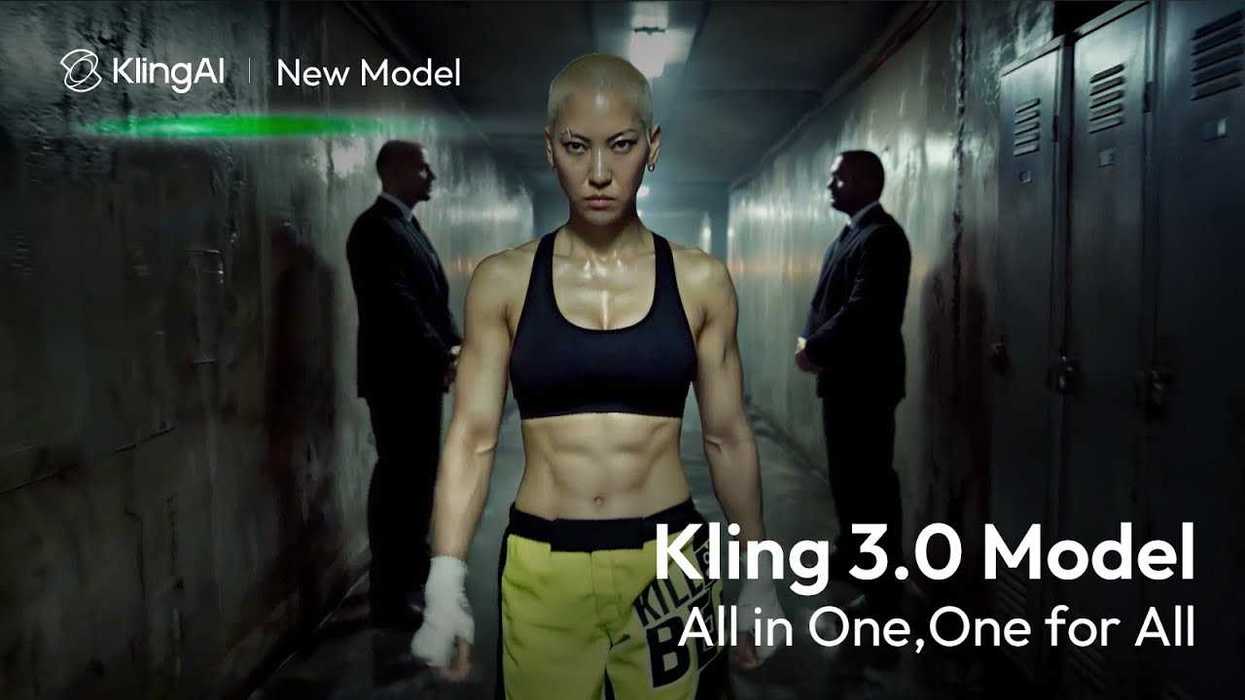
KlingAI has announced Kling 3.0, the newest version of its AI video generation model, which promises to be an “all-in-one” creative engine that enables true native multimodal creation. But is this new model actually moving anything forward, or is it just more marketing wordsoup trying to get you to embrace the slop?
The AI Video Model War Heats Up
As we’ve tried to cover in the past, the world of AI for film and video is splintering into a few different areas. The first area houses the workflow assistant tools, which, to us, aren’t that bad and actually helpful at times. A few examples would be Eddie AI or Nice Touch.
The second area is perhaps the newest, as new platforms aim to be “all-in-one” solutions to let creators or editors try to use many different AI models at once. A few examples here would be Adobe Firefly’s video editor platform or Higgsfield.
The third area is where the majority of the news and developments happen as it covers the generative AI models that are out now and currently at war with each other to take over this marketspace that is bubbling over with money and speculation, but perhaps quite dry in terms of actual users and usability.
Kling is in this space and is a direct competitor of other AI video models like Runway, Sora, and Veo. All of which have released updates in the past year (if not past months), and all are working hard to position themselves as leaders in this industry niche.
A Look at Kling 3.0
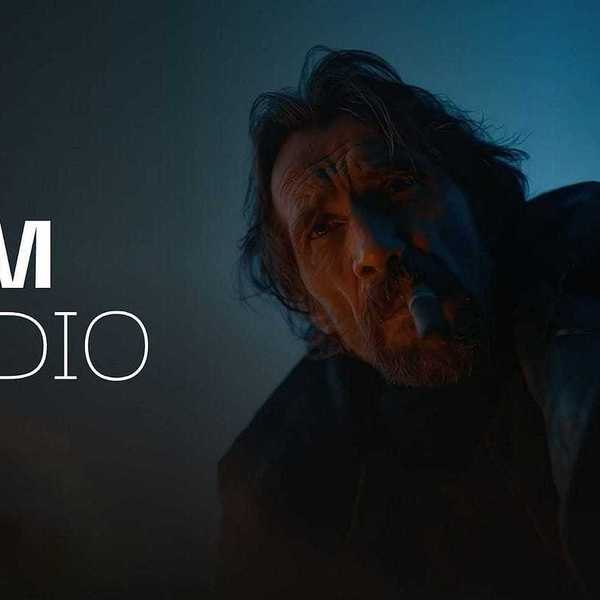
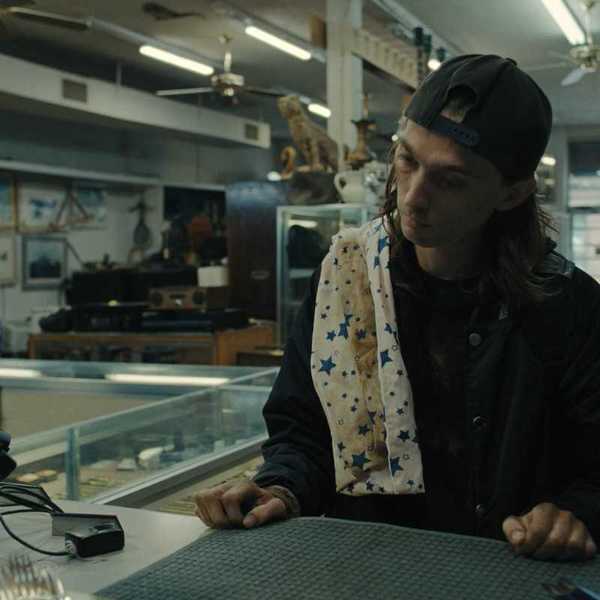
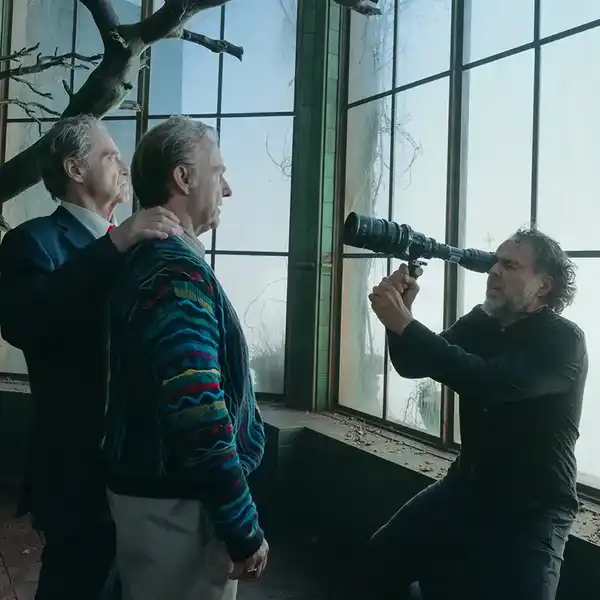
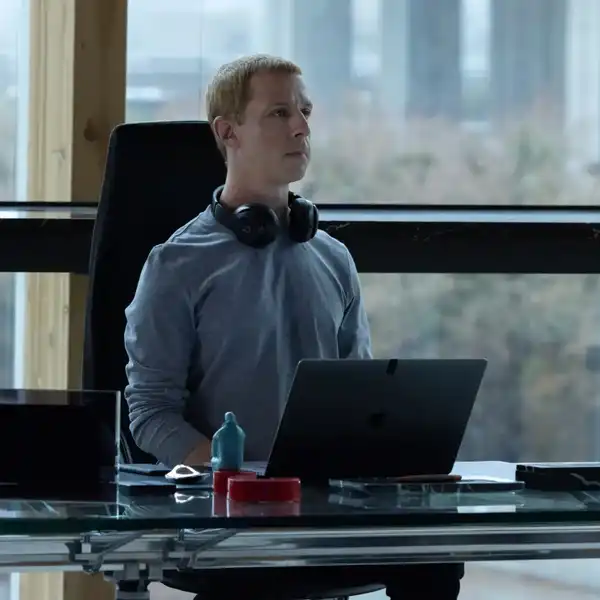
Kling 3.0 is the newest AI video model to explore, and, from the demos put out online, it looks pretty much just as impressive, dynamic, responsive, and photorealistic as any of the other ones.
And, to be honest, at this point, they’re all kind of starting to look the same. There are nuances to each of the courses, but as each improves, they’re also fixing any artifacts or issues that plagued the last version, so they’re correcting quite quickly as well.
From the announcement from KlingAi, Kling 3.0 is set to stand out in these key areas:
- Superb Consistency: Your characters and elements, always locked in.
- Flexible Video Production: Create 15s clips with precise control, excellent video realism and customizable multi-shots.
- Upgraded Native Audio: Now supports multi-character reference, more languages and accents.
- Enhanced Image Generation: 4K Image output, new image series mode and more cinematic visuals.
And from the looks of the demos, the model certainly excels in these ways. If this is something you’re interested in, you’ll likely be able to find more details on how to use these new improvements in your generations on Kling’s website here.

Pricing, Availability, and Ethics
As is the case with any AI news at this point, there will always be caveats moving forward to remind readers that this industry is still very much in the early days and that these companies (specifically the AI model ones) are operating very fast and loose with their training and development.
Without any governing bodies or committed agreements, it’s nearly impossible to fact-check how these models are sourced or trained, and even with promises from many companies, it’s still hard to hold them accountable.
If you are still interested in Kling 3.0 and keeping up with these AI video models directly, this latest model is available in 1080p and 720p modes, which are available to generate using credits that depend on your input and video generation lengths. You can find more info on KlingAI’s website here.
- Meet “Marey,” a Clean and Ethically Trained AI Video Model Here to Reshape the Industry ›
- Has AI in Film Restorations Gone Too Far? ›
- A Solo Video Professional’s Quest to Make AI Actually Useful ›
- Level Up Your Creative Workflow: The Artlist AI Power-Up You Need Right Now ›
- This “All-in-One” AI Platform Breaks Down How You Can Become a Pro in AI Filmmaking ›