The 2-Second Edit That Changed Cinema: The Genius of the 'Lawrence of Arabia' Match Cut
David Lean masterfully turned a flame into the sun.
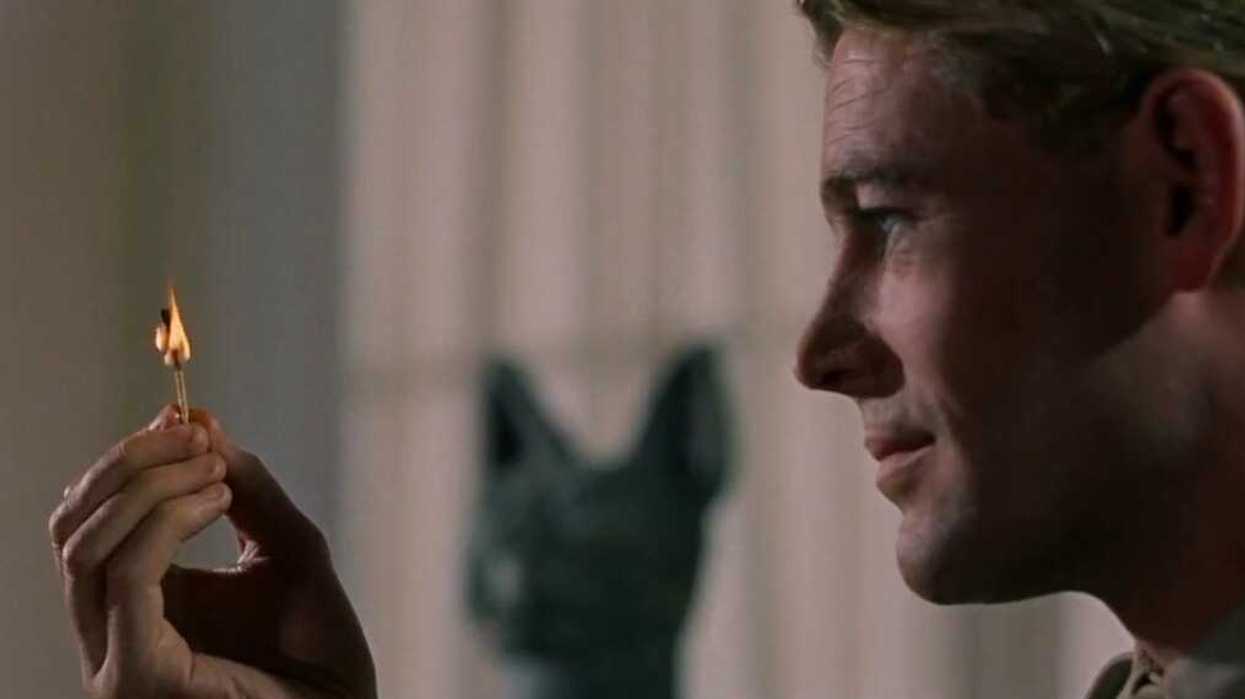
Lawrence of Arabia (1962)
In Lawrence of Arabia (1962), David Lean took the image of a burning flame and blended it into the rising sun, showing us how a simple cut could create an iconic visual transition. In a single cut, he compressed time and expanded scale in a manner that established the power of both intimacy and enormity in filmmaking.
Through powerful visuals and impeccable editing, the matchstick cut from Lawrence of Arabia reshaped how the audience understands and perceives cinematic space. The bold cut leaps from a tiny flame to a vast desert sunrise, almost reminding us that audacity and ambition remain integral to the world of cinema. Stronger and more effective than a dissolve would be in this scenario, the matchstick cut’s abruptness is one of its greatest strengths.
What makes this edit one of the greatest in film history? How did it change the way we perceive film editing forever?
Let’s jump right in and explore.
Context Of The Scene
In Lawrence of Arabia, directed by David Lean, T.E. Lawrence (Peter O’Toole), an eccentric British intelligence officer, is assigned to travel from Cairo to the Middle East during World War I. The mission takes him to the vast, endless desert, where he becomes a legendary guerrilla leader grappling with his own identity and the reality of war.
The matchstick cut occurs during a pivotal scene early on in the film. In the Cairo office, Lawrence receives orders from a diplomat. He lights a match, and while it is still burning, he holds it between his fingers. He glares at it with intent, reminding us of his earlier demonstration of enduring pain.
Mr. Dryden tells Lawrence that for ordinary men, the desert is “a burning fiery furnace”. Lawrence replies with, “No, Dryden. It’s going to be fun.” He then lights a cigarette for Mr Dryden and holds the match. Mr. Dryden ends by saying, “It is recognized that you have a funny sense of fun.” Lawrence continues to hold the match and glares at it with intent, reminding us of his earlier demonstration of enduring pain. Lean puts the camera on Lawrence and the matchstick, still simmering between his fingers. Lawrence blows, and the matchstick boldly cuts into a visual of the rising sun.
Lean does not use a transition or a match cut of any kind. The “match” is thematic, i.e., between the matchstick and the rising sun. Unlike the cut in 2001: A Space Odyssey, the power of this cut lies in its non-symmetrical yet symbolic transition from a flame to the sun. In a singular moment, the film’s scale expands massively, and we are taken into the vast, seemingly endless landscapes of a desert.
Editing With Meaning
The matchstick cut in Lawrence of Arabia is a textbook example of an edit that is more about the meaning behind it than the sheer technicality of the cut. While countless edits happen seamlessly in a film, the vast majority of them don’t come to our attention. We move from one shot to another, one scene to another, and for the most part, we are unaware of the editing process.
David Lean boldly and deliberately brings meaning to the craft of editing and consequently makes an edit that we admire for its bravery and depth of thought. It is notably rare for audiences to think about what a film edit means, but Lean almost forces us into doing so.
The matchstick cut creates an ambitiously expansive, yet intimate connection between where Lawrence is and where he is about to go. Without using words, the cut establishes the differences between the vastness of his past and his future. While Lawrence must feel the massive transition in his own journey, David Lean makes us experience the same cinematically.
It is not uncommon for films to establish location changes before introducing their characters to these changes. In a similar scenario, we could expect a visual montage of the desert followed by a slow introduction of Lawrence. While this aspect does exist in the film, the forceful nature of the match cut carries a much deeper meaning: the suddenness of the change in Lawrence’s surroundings is drastic and transformative. So is the edit.
The technical craft of editing was redefined by cuts such as this one because it carried a deeper meaning about the story, the character, and, without a doubt, the endlessness of David Lean’s cinematic ambitions.
Lessons From A Great Cut
While there are many lessons to be learned from masters such as David Lean, this particular cut brings at least three important takeaways to mind. Here they are.
A Single Cut Can Express The Deepest Ideas
As we’ve discussed, the technical side of editing is often the most commonly observed and revered aspect of the craft. However, edits such as the matchstick cut in Lawrence of Arabia teach us that the process of editing can be used to convey deeply philosophical ideas about character, story, scale, and other thematic and symbolic ideas.
Don’t Underestimate The Audience
You don’t have to be a film aficionado to be impressed by the matchstick cut. The power of its editing superiority is clear to just about anyone. The fact that David Lean trusted audiences to make associations between the two ends of this cut is a big reason it is revered today.
Establishing Contrast
The confined nature of the offices Lawrence finds himself in before, and the vast desert he enters after the cut, show us just how powerfully contrasting a single edit can be. What a dissolve or a few additional cuts would completely diminish is preserved and elevated by one moment.
Summing It Up
The matchstick in Lawrence of Arabia is rightfully considered one of the greatest edits in film history because it captures the ruthlessness of cinema’s ambition in a single moment. It is a cut that carries deep, philosophical meaning, which doesn’t just bring attention to the power of editing; it makes us admire it.
What is your favorite cut in film history? Tell us in the comments.
- 3 Pillars of Editing: Cuts, Effects, and Motivation ›
- The Passion of David Lean: What It Means to Be a 'Dedicated Maniac' for Film ›
- Top 5 David Lean Epic Movies, Ranked ›
- Cutting on Sound: Learn from the Transitions of 'Lawrence of Arabia' Director David Lean ›
- 5 Groundbreaking Editing Rules from Oscar-Winning Editor of 'Lawrence of Arabia' and 'The Elephant Man' ›
- Enjoy Denis Villeneuve Raving About 'Lawrence of Arabia' for Three Minutes ›
- Watch: How a Legendary 'Lawrence of Arabia' Scene Creates Nearly Unbearable Suspense ›
- How to Use AI to Edit Soundbites From Numerous Interviews Together | No Film School ›
- 'Inside the Edit' is the Creative Editing Course We've All Been Waiting For | No Film School ›
- Why Your Edit Feels Off (And How to Fix It) | No Film School ›