Why Martin Scorsese Says There Are No Shortcuts
Here's what that means for your filmmaking journey.
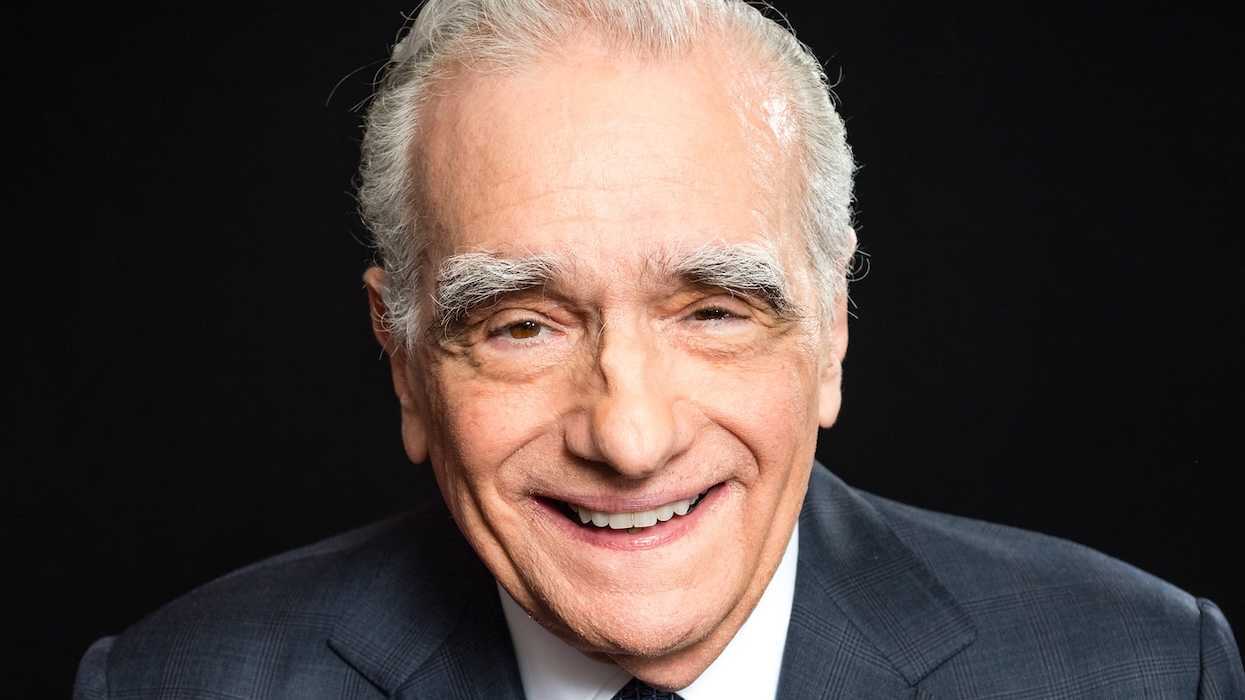
Martin Scorsese
We all need a pep-talk now and then. It might as well come from Scorsese, right?
He truly is one of the most motivating directors. I remember hearing him deliver the commencement speech at Tisch in 2014, and I still think about it all the time.
This clip comes from his MasterClass, and it’s just as inspiring.
Scorsese's message is pretty simple. You might go to a film school like Tisch, but the art and passion are something you cultivate yourself. You write your own manual and forge your own path and figure out what matters to you. And you do it scared if you have to.
But what does that look like in practice, day to day, for an emerging filmmaker who doesn't have Scorsese's career yet? That's what we're digging into today.
I mean, there are no manuals, no shortcuts, no secrets. You write your own manual. You develop your own shortcuts. You find your own secrets. You go where you're drawn to go and you learn by doing the work. I mean, if you're scared, if it all seems too daunting, if the machinery of it all seems too big and scary and overwhelming, that's great. You wake up in the morning and you do it anyway. If it seems impossible, that's even better. You do it anyway. And as you go, like I said, remember that amidst all that machinery, you're the one who's going to make the picture. It's just you and the thing that sparked you to make the film. You and the spark-- in the end, they're one and the same. You guard that, because it's precious.
Start Small, Start Early
Your manual gets written by making things, not planning to make things. The first practical step is just picking up a camera and making something. Anything. Even if it's bad. I started when I was a teen, and I could wrangle my cousins into making sketch videos about bike cops or evil teachers. It was messy and fun.
One indie filmmaker literally shot their first short on a 2016 Samsung phone with no script. So many creators will suggest the same thing. The gear isn’t what’s important, especially as you’re learning.
You might wonder what the benefit of this is if you can’t create the masterpiece you have in your head. The point is learning how the pieces fit together, doing all the dirty work of prep and organization, discovering what you don't know, and building the creative muscle. (Sometimes this work might suck. But usually art does suck as you get started. It won't always. After you practice, you might even be able to reach a cinematic smartphone look.)
Write to your resources. Which location do you have free access to? How many actors can you actually get? Do you have a cool prop?
It could just be one location, two characters, one problem. You’ve got a short film, baby. The Duplass brothers' first short, This Is John, is a man alone in a room with a tape recorder. That's it.
- YouTube www.youtube.com
What’s Your Spark?
Scorsese doesn't just say do the work, he says stay close to the thing that sparked you to make your project in the first place.
That original impulse is easy to lose in the mess of production. You start thinking about money, scheduling, feedback, money, locations, money again.
Before you go into production, write down in one sentence what the film is really about for you. What’s the thematic core that attracted you? What’s one image you’re excited to capture?
Keep it somewhere visible during production. When decisions get hard, go back to it. Does this choice serve that spark or undermine it? If you're struggling to articulate it, consider building a mood reel or a deck. Director and NFS contributor Robert Gregson writes about how that process can actually help you clarify your own vision.
And if you're worried that following your instincts is commercially naive, it's probably not. As WGA writer/director Jason Perlman puts it, if you're compelled by an idea to the point that it has to come out of your nervous system a certain way, there's probably something valuable there.
Learn, Fail (Sometimes), Finish
The real education in filmmaking comes from mistakes you can only make by actually making something.
You can't read your way to knowing what bad audio sounds like on set until you hear it back in the edit. You can't learn to manage a shoot schedule from a book. You have to do the script breakdown, plan the moves, and improvise when things go wrong. Every failure has a lesson that no tutorial can give you in advance.
One of the most important rules for early work is to finish it. Even Oscar-nominated short filmmakers consistently say the same thing. Finish everything you start. “Not done” is the worst possible outcome. Completing something is a lesson in itself—you don’t want to get stuck on a single shot that you never get to fit into a larger picture.
Find Your People
Scorsese is talented (duh), but he didn't figure out his manual on his own. He had Robert De Niro, Thelma Schoonmaker, and a whole generation of filmmakers coming up around him, like Francis Ford Coppola, George Lucas, Steven Spielberg, and Brian De Palma. The "movie brats" learned from and challenged one another, building long-term working relationships that shaped their work for decades.
So many people above and below the line have told us that collaboration and apprenticeships are key. Find one person at your level or slightly above—a writer, a DP, a sound person, an editor, a makeup artist—and learn from them. Watch them work. Have them critique your work.
If you don’t know anyone yet, a cold email can go a long way.
If you don't have a filmmaking community yet, find one. Film festivals, even as an audience member, are one of the best places to meet people at your level. Look for local meetups—if you have a film community, chances are they’re doing a monthly coffee or mixer tied to film societies or crew groups.
The more people you meet, the more likely you are to find someone whose taste you trust and who trusts yours back.