What You Can Learn from Ryan Coogler’s 4 Favorite Movies
Coogler’s Letterboxd favorites showcase some key influences.
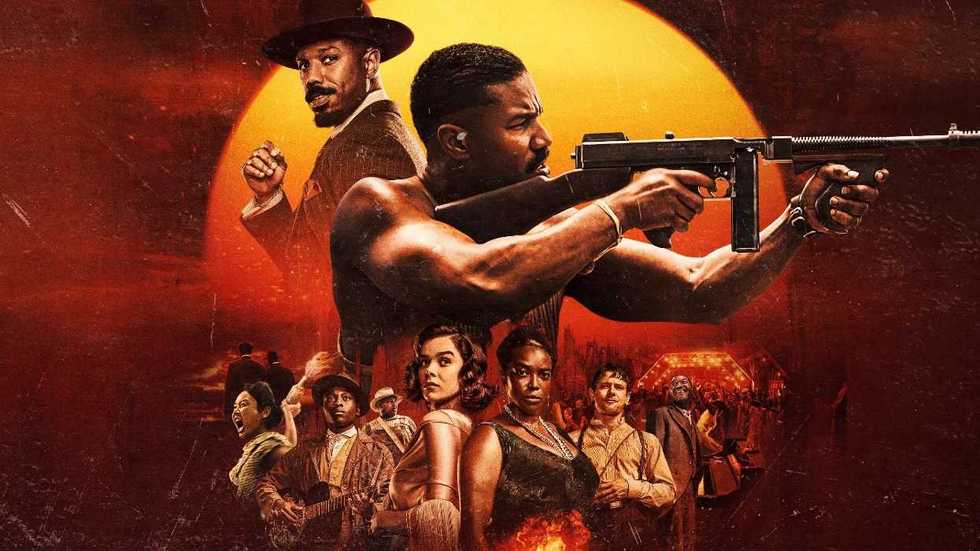
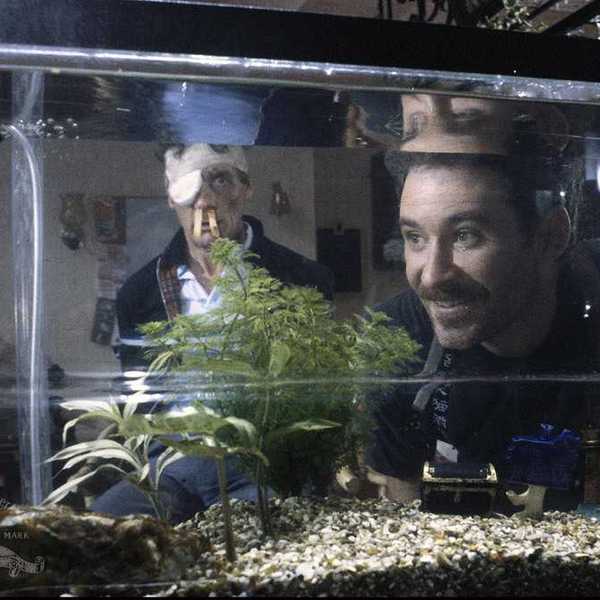
‘Sinners’ (2025)
When Letterboxd asked Sinners writer-director Ryan Coogler about his Top 4 movies, his answers illuminated the path he took toward becoming a masterful director of a collection of movies that have almost nothing to do with one another, but all have his signature stamp.
Coogler just seems to perfectly fit wherever he goes, whether he’s making a small-scale biographical drama, a lavishly budgeted superhero movie, or even an Oscar-winning horror musical, and he has graciously provided the cinematic blueprint for his success at harnessing a wide variety of genres.
Boyz n the Hood (1991)
During the interview, Ryan Coogler revealed that he gets “stressed” about ranking movies because “film is my life,” so he opted to instead list the first four movies he remembers seeing in the theater. However, this collection of movies nevertheless opened a window into his brain as a filmmaker that is as clear as it would have been if he had listed four all-time favorites.
The first of the four “core memory movies” that Coogler shared was John Singleton’s kinetic debut Boyz n the Hood, which follows a young man named Tre (Cuba Gooding Jr.) who goes to live with his father (Laurence Fishburne) in South Central Los Angeles and reunites with friends Doughboy (Ice Cube) and Ricky (Morris Chestnut) as their involvement in gang life becomes more and more dangerous.
The movie, which earned two Oscar nominations, provided something of a blueprint for Coogler, both for the specifically Black American subject matter that he would engage with in movies like Sinners, Creed, and Fruitvale Station and for the scrappy spirit that it took for Coogler to get his foot in the door in the film industry.
John Singleton studied screenwriting at USC and fought to direct his Boyz n the Hood screenplay, so he could ensure that the movie maintained the proper verisimilitude. In spite of his young age (he was only 24 when he was nominated for the Oscar for Best Director for Boyz n the Hood, and he still holds the record as the youngest-ever nominee in that category), the success of Spike Lee’s similarly themed Do the Right Thing in 1989 encouraged Columbia Pictures to be the company that said yes to that request.
Coogler, who also studied film at USC, was similarly young and determined when it came to mounting his debut feature, 2013’s Fruitvale Station. He took advantage of opportunities with Forest Whitaker’s Significant Productions and the Sundance Screenwriters Lab to make sure he could bring the movie to the big screen in the best possible way, with himself at the helm. When the movie debuted at Sundance, Coogler was just 26 years old.
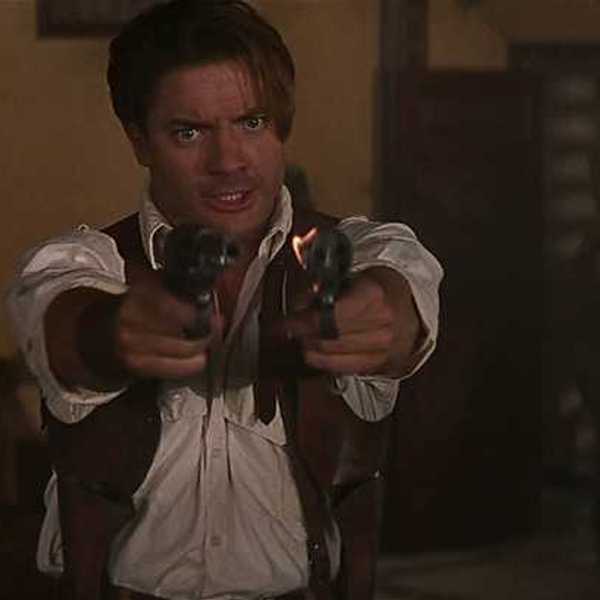
Beauty and the Beast (1991)
Disney’s seminal 1991 classic Beauty and the Beast is based on the French fairy tale of the same name and follows an intelligent young woman named Belle (Paige O'Hara) who falls in love with a prince in the form of a Beast (Robby Benson) while a prisoner in his castle.
The castle is chock full of whimsical characters, who are former staff members of the prince’s that have been transformed into various home goods and, in their new forms, put on the dazzling production number “Be Our Guest.”
In addition to being an animated classic, Beauty and the Beast is a rock-solid musical thanks to the work of the legendary duo of lyricist Howard Ashman and composer Alan Menken, who already had a great deal of experience crafting iconic musicals for the stage and screen, including Little Shop of Horrors and The Little Mermaid.
While Coogler’s love of Beauty and the Beast probably stems mostly from it being the first Disney movie he saw in theaters as a kid, iconic numbers like “Belle,” “Be Our Guest,” and “Beauty and the Beast” most likely spurred an interest in musicals that led him toward creating Sinners, which is a historical horror movie that also operates as a full-scale screen musical, blending jazz numbers with traditional Irish music.
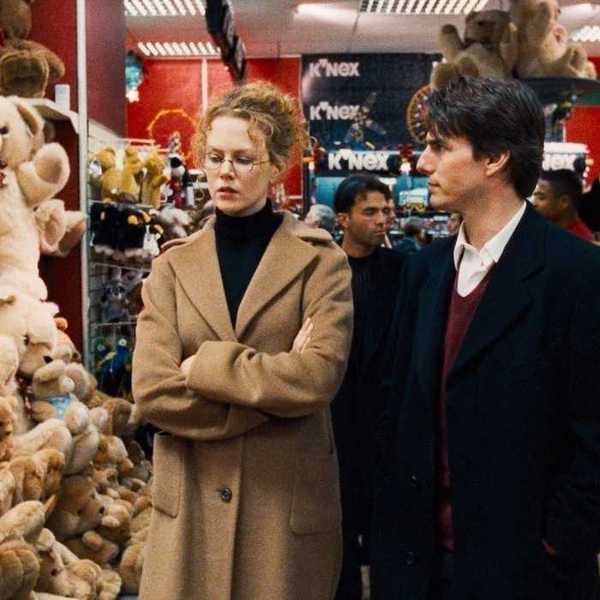
Malcolm X (1992)
Spike Lee, whose Do the Right Thing more or less directly led to Boyz n the Hood getting made in the first place, directed and co-wrote (with Arnold Perl) this biopic of civil rights activist Malcolm X (Denzel Washington).
Ryan Coogler admits that he was “probably too young” to watch this movie and Boyz n the Hood, but he is grateful that his father took him along to see them in the theater. However, the fact that this was one of the earliest movies he saw as a kid seems to have been an incredibly formative experience.
In addition to furthering his education in the cinematic depiction of the Black American experience, Malcolm X offered Coogler his second opportunity to see a group of iconic Black performers together on the big screen, including actors he would eventually cast in his own movies, like Black Panther and Black Panther: Wakanda Forever star Angela Bassett (who earned an Oscar nomination for the latter Marvel movie) and Sinners’ Delroy Lindo (who also earned an Oscar nomination for working with Coogler).
Jurassic Park (1993)
The final movie that Ryan Coogler listed was Steven Spielberg’s classic blockbuster Jurassic Park, which follows a team of experts (Sam Neill, Laura Dern, Jeff Goldblum) who are brought to a theme park featuring resurrected dinosaurs that has been brought together by eccentric millionaire John Hammond (Richard Attenborough). The dinosaurs, of course, went on a rampage that frightened audiences to the tune of $1.058 billion and six sequels.
While it might not seem like it at first blush, there are a great many parallels between Jurassic Park and Ryan Coogler’s Black Panther. Both movies are four-quadrant blockbuster adventure movies based on major IP (Jurassic Park was based on Michael Crichton’s bestselling novel of the same name, and Black Panther is part of the Marvel Cinematic Universe) that seek to entertain their audience first and foremost, but don’t sacrifice artistry in the process.
Every single aspect of Jurassic Park is perfectly calibrated to provide an electrifying thrill ride using the skills of a whole team of artists at the height of their powers. This includes composer John Williams (turning out a heap of iconic orchestral melodies that we’re sure you could hum at a moment’s notice), special effects maestro Stan Winston (whose animatronics work alongside early CGI to make the onscreen dinosaurs feel like living, breathing, genuinely dangerous wonders), cinematographer Dean Cundey (who masterfully makes sure viewers can see exactly what they need to while hiding the seams of the visual effects), and director Steven Spielberg (who packs the frame with visual metaphors that enhance the themes of the story).
Coogler took a similar approach with Black Panther, bringing the Afrofuturist superhero movie to life by encouraging a whole team of genius craftspeople to put the pedal to the metal with their artistry, including cinematographer Rachel Morrison, costume designer Ruth Carter, and composer Ludwig Göransson.
You can read plenty more about Ryan Coogler on No Film School, including tips from the writer-director, a breakdown of his student film, and thoughts on his comments about filmmaking being blue-collar work.
- Director Ryan Coogler Breaks Down Each Aspect Ratio ›
- 5 Directing Lessons from Ryan Coogler and Maggie Gyllenhaal ›
- 6 Things Ryan Coogler's Student Film ‘Locks’ Can Teach Filmmakers ›
- Ryan Coogler on Why Movies Are Blue Collar Work ›
- Why Ryan Coogler Wants to Focus on Original Ideas Right Now ›
- The Ryan Coogler Rule: Why Your Path Into Film Doesn’t Need to Make Sense ›