How Spielberg Uses These Cuts and the Science of Why They Work
Let's review some important editing fundamentals.
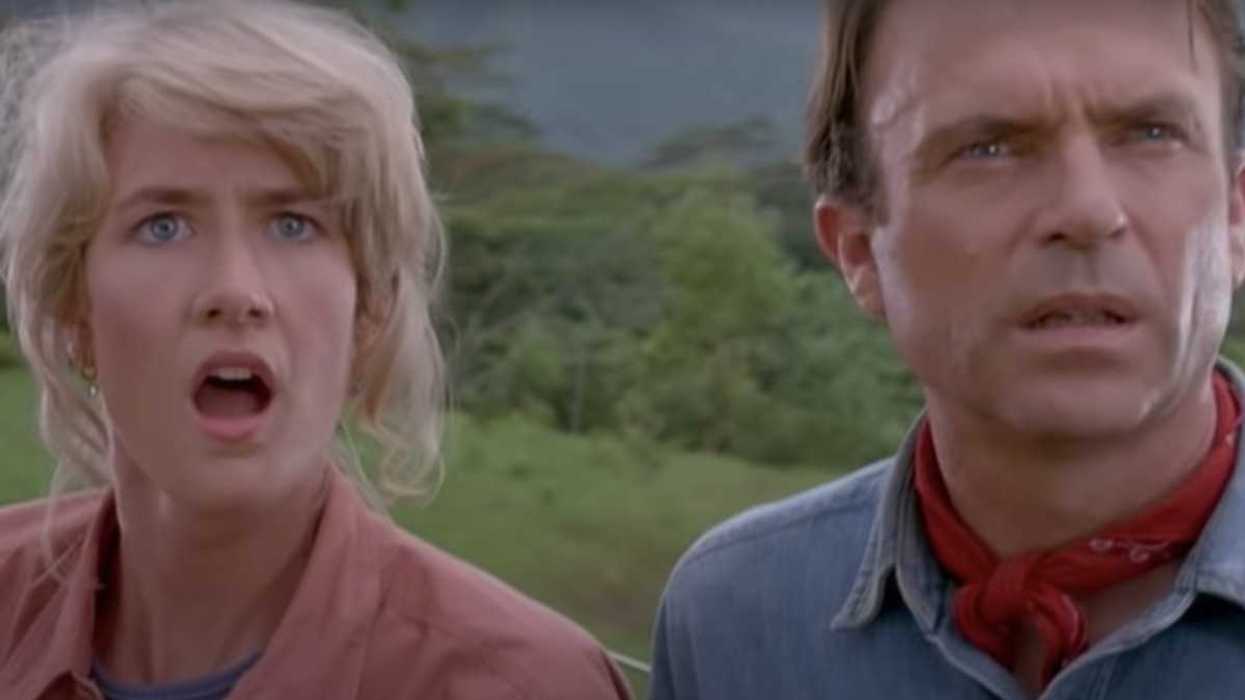
'Jurassic Park'
Steven Spielberg and editor Michael Kahn have been making audiences feel big emotions for years, usually through subtle editing tweaks that work on a subconscious level. A new video essay from Storytelling Workshop tries to explain the mechanism.
Storytelling Workshop pulls three scenes from three Spielberg films (a laugh, a lump in the throat, tension) and pairs each with neuroscience research on what happens in a viewer's brain at those exact moments. The thesis is that the technique isn't controlling what you see so much as when you see it. That's a claim about timing, and the great thing is that in post, timing is the one tool every editor has, regardless of budget.
The neuroscience he cites measures how audiences respond to films generally, not to these specific Spielberg cuts, but the research supports the principle broadly.
- YouTubewww.youtube.com
The Smash Cut for a Joke
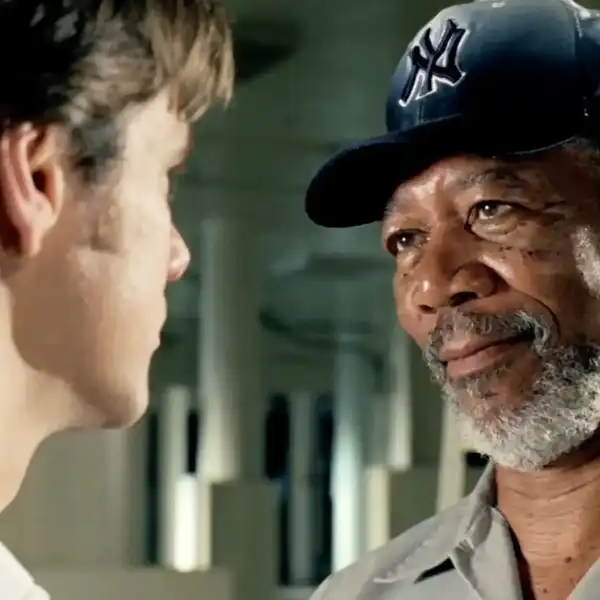
The first scene is from Indiana Jones and the Last Crusade, which happens to be a personal fav. Indiana Jones, captured and out of options, sells the Nazis a confident portrait of Marcus Brody as an untouchable operator who speaks a dozen languages and could vanish anywhere, his man on the outside still working against them.
Then, of course, the film cuts to Brody, who is hopelessly lost and asking whether anyone even speaks English. It's hilarious. The joke lands because the picture in your head gets demolished half a second after it's built (even though we already know Brody is a little helpless).
Editor Vashi Nedomansky dubbed this one "the Brody cut" and one of the best edits ever.
Technically, what's used here is a smash cut for a hard tonal reversal.
The research angle comes from Princeton neuroscientist Uri Hasson, whose fMRI work on intersubject synchronization during natural viewing found that audience brains sync up, or work in unison at certain moments. The moments that sync them hardest aren't the sad beats or the action. They're the surprising ones, like what a smash cut gives us.
Robert McKee makes a parallel argument in Story. When a gap opens between what a character expects and what the world delivers, the audience jolts, then immediately wonders why. In the world of the film, the bluff in this form exists only for us, not for the Nazis.
The J-Cut Used Before a Flashback
The second scene is from the opening of Saving Private Ryan. An old man collapses at a gravestone. The camera pushes in tight on his eyes, and before the image changes, you hear the ocean. By the time Omaha Beach appears, we understand that we're in his mind and feeling his emotions, and we're taking a journey back in time with him.
That's a J-cut, named for the shape it makes on a timeline when audio from the incoming clip runs ahead of the image. It's one of the oldest tools in the editor's box, and obviously doesn't cost you anything. (The opposite is the L-cut. That's when, you guessed it, the audio from the first clip continues to play after the video cuts to the next scene.)
The video connects it to Finnish research from Lauri Nummenmaa and colleagues showing that emotions synchronize brain activity across individuals, plus University of Chicago work on attentional engagement during narratives that found engagement syncing across viewers, driven by emotional content.
This is also Walter Murch's whole argument in In the Blink of an Eye. Murch's Rule of Six puts emotion at the top at 51%, above story, above rhythm, above everything. It's the thing you should preserve at all costs. Spielberg and Kahn let us take this walk with the character, which leads us to his memory and the flashback that is the rest of the film.
- YouTubewww.youtube.com
The Cut Spielberg Refuses to Make
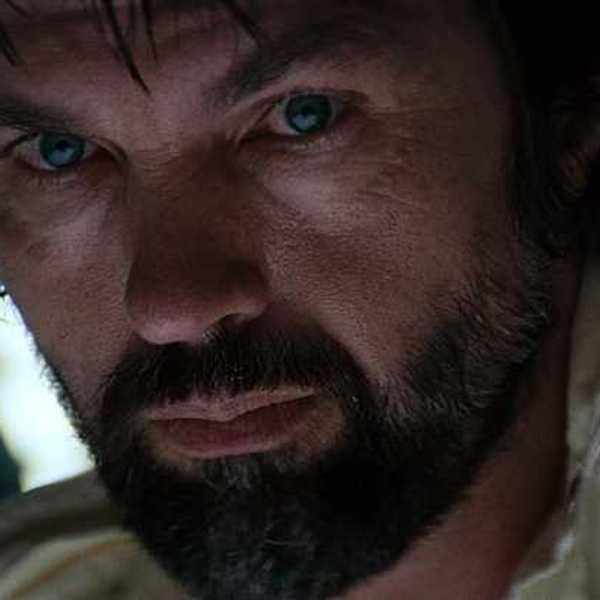
The third edit trick involves the dinosaur reveal in Jurassic Park, and it's the essayist's favorite. Mine too, because I love this movie so much. Jurassic Park keeps the dinosaurs offscreen for quite a while. It's a slow burn with a lot of build-up. We see them as fossils and illustrations and merchandise and decor. By 20 minutes in, we still haven't seen a real-life dinosaur, much like the characters.
On the tour, the jeep stops. Dr. Grant notices something in the distance. Editing convention says cut to what he sees. But Kahn doesn't. He holds. Grant pulls his glasses off. (Still no cut.) Grant turns Sattler's head. (Still no cut to a reverse.) She removes her glasses and reacts. (We still haven't seen what they see.) The filmmakers withhold the sound of the dinosaur walking too, even though the moment it appears, you can hear it. It's so smart.
The neuroscience angle on this one comes from Chris Baldassano and colleagues on event structure in continuous narrative perception. They found that we automatically chop experience into discrete events, which is what A-B-A coverage feeds. (Grant looks, you get the reverse, the segment closes.) Kahn doesn't close it. Your brain reaches for the resolution. If you withhold it, the reaching becomes anticipation.
Spielberg learned this the hard way on Jaws, in which Bruce, the broken animatronic, forced him to show the shark less. But the less he showed, the scarier it got.
- YouTubewww.youtube.com
What to Take Away for Your Timeline
Of course, you need to choose the editing technique that best serves your story. The Omaha cut and the Jurassic Park dinosaur reveal, for example, are doing opposite things. One pushes sound in early to seed an emotion and a flashback. The other keeps both picture and sound at bay to build anticipation for what's next. The goal, either way, is to manufacture a feeling by controlling when information arrives.
You already know what's in your footage. What you have to consider is what your audience knows and when they learn it. How can you manipulate when sound comes in and what it tells your viewers? Can you surprise them with a smash cut for humor? Can you hold off on sharing everything with the audience, even for just a few seconds?
Murch put it as a question that the editor should be asking constantly. What does the audience want to think about, and what do you want them to feel? Hitchcock said he was directing the viewers, playing them like an organ. Spielberg and Kahn are doing the same thing with picture, sound, and time. Time is the element you're probably underusing.