The Creative Friction Advantage in Editing 'Primetime'
"I think it's just hard to know what movie you're making until you've made it."
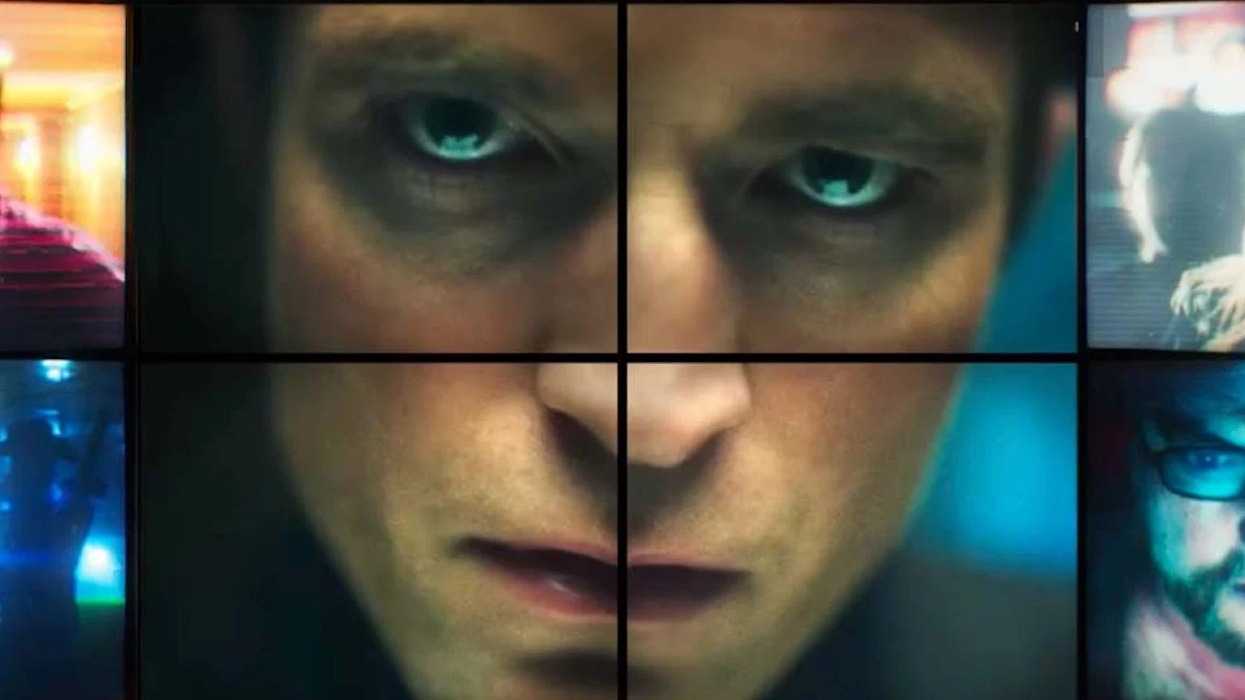
‘Primetime’
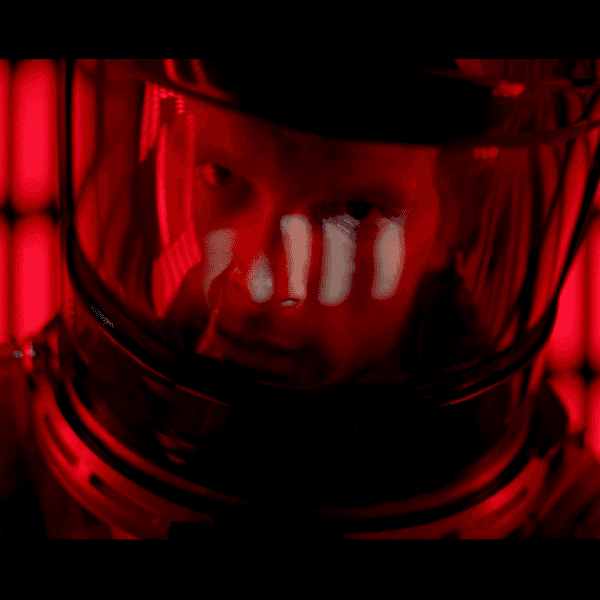
How do you edit a narrative feature like a documentary while managing 14 camera formats, improvised performances, and hundreds of hours of footage? In this episode of the No Film School Podcast, host GG Hawkins talks with Independent Spirit Award-winning editor Daniel Garber, ACE, about cutting A24's Primetime, directed by Lance Oppenheim and starring Robert Pattinson.
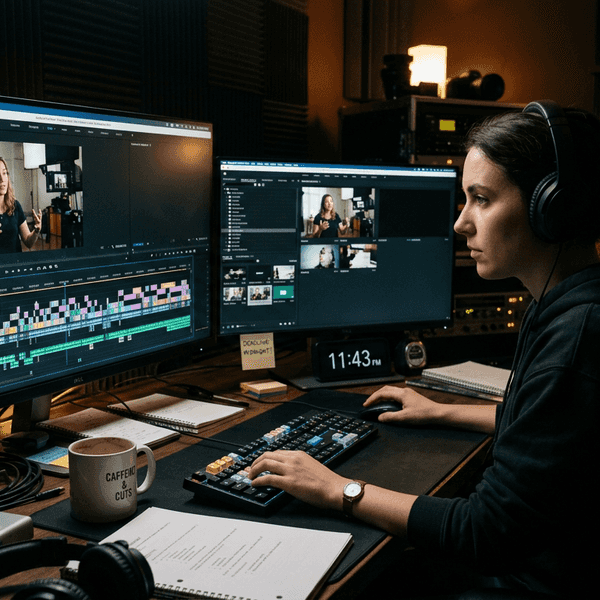
Garber breaks down his documentary-inspired editing process, the creative friction that led to unexpected storytelling breakthroughs, and the challenges of blending vintage DV footage with modern digital cinematography. He also shares how Adobe Premiere Pro's Productions, Speech-to-Text, Essential Sound Panel, and Remix tools helped streamline the post-production workflow, why working closely with a director during production can transform a film, and how editorial experimentation shapes a movie's tone, humor, and emotional impact.
In this episode, we discuss:
- Bringing documentary editing techniques into narrative filmmaking and maintaining an open-minded approach to storytelling
- Collaborating with director Lance Oppenheim to discover new possibilities beyond the screenplay
- Why having an editor on set creates opportunities for real-time feedback and creative problem-solving
- How creative disagreements in the edit bay led to the unexpected "Decoy Dan" scene
- Balancing dark subject matter, comedy, and emotional authenticity in Primetime
- Using test screenings and pickup shoots to reshape a film's structure and tone
- Managing 14 camera formats, vintage DV tapes, and retro broadcast footage in Adobe Premiere Pro
- Building an efficient post-production workflow with Premiere Pro, shared storage, and portable editing setups
- Using Speech-to-Text to organize improvisation, locate specific dialogue, and navigate extensive footage
- How Premiere Pro's Essential Sound Panel and Remix tool speed up sound design and temp scoring
- Why cutting with music early can help establish a scene's emotional identity
- The importance of creative trust, experimentation, and ongoing collaboration between directors and editors
Guest:
Subscribe to the No Film School Podcast on:
Get your question answered on the podcast by emailing podcast@nofilmschool.com
Listen to more episodes of the No Film School podcast right here: