The American Film Institute’s ranking of the best films of all time, the iconic 100 Years… 100 Movies list, was originally published in 1998. A revised edition came out in 2007, with an updated roster that included just two movies that had come out after the publication of that original list. One was Peter Jackson’s 2001 fantasy epic The Lord of the Rings: The Fellowship of the Ring (at No. 50) and the other was 1999’s The Sixth Sense (at No. 89).
How did M. Night Shyamalan’s breakout horror hit earn a spot on the list alongside all-time classics like Lawrence of Arabia, The Godfather, Citizen Kane, Casablanca, and Vertigo? Let’s break down exactly why it’s a historic work of art, in addition to being a genre blockbuster.
What Is The Sixth Sense?
Warning: This article contains spoilers for the twist ending of The Sixth Sense. But let’s face it. Even if you haven’t seen it, you already know how it ends.
Even though The Sixth Sense feels like it was the debut of two-time Oscar-nominated writer-director M. Night Shyamalan, he had already been toiling in the trenches of Hollywood for some time. After making his directorial debut with the 1992 drama Praying with Anger (which never received a wide release), he dabbled in comedy for some time. This includes helming his limited release sophomore feature, Wide Awake, co-writing the family movie Stuart Little (with Greg Brooker), and doing an uncredited rewrite on the screenplay for the iconic teen comedy She’s All That.
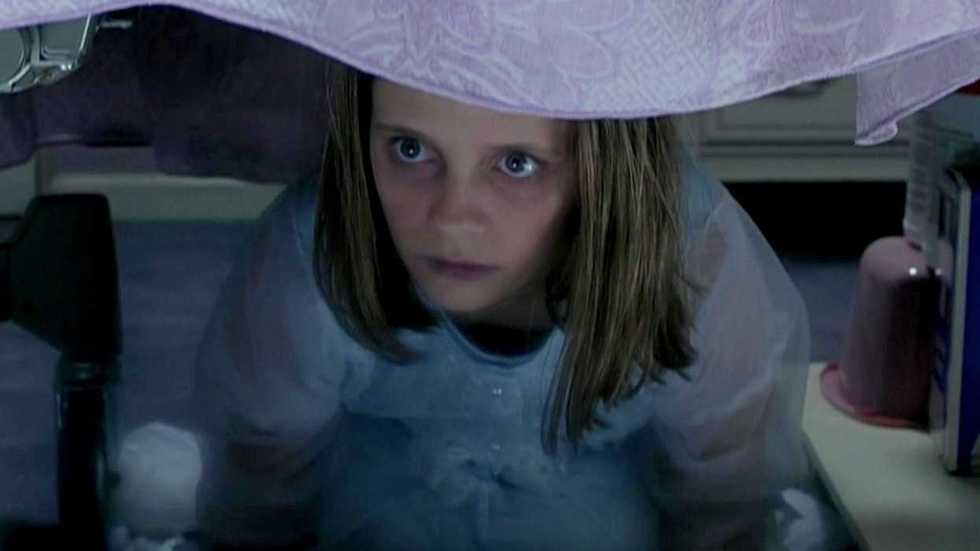
Although he could have easily established a cushy career in comedy filmmaking, The Sixth Sense yanked him into an entirely different direction. The movie follows child psychologist Malcolm Crowe (Bruce Willis) coming to the aid of nine-year-old Cole Sear (Haley Joel Osment), who has been acting up in a way that frightens his single mother, Lynn (Toni Collette). As it turns out, Cole isn’t acting up at all. He is quite literally haunted. He famously tells Crowe that “I see dead people” and that he sees ghosts basically everywhere he goes. Not realizing they’re dead, they tend to act out in ways that terrify him.
After Crowe helps Cole come to understand the dead and help them complete their unfinished business, Shyamalan’s script whacks you in the face with the truth: Crowe is also a ghost. He died during an attack from a former patient (Donnie Wahlberg) that is depicted in the movie’s prologue.
This twist stunned moviegoing audiences at the time and is one of the reasons why the movie became an enormous box office hit. The Sixth Sense ended up grossing a whopping $672.8 million worldwide against a budget of just $40 million, becoming the second highest-grossing movie of the year behind only Star Wars: Episode I - The Phantom Menace.
Some of the 1999 hits that it outgrossed include Toy Story 2, The Matrix, Tarzan, American Pie, The Mummy, and The Blair Witch Project. While not every movie that makes money is inherently good, The Sixth Sense is the rare movie that combines massive commercial success with true artistic merit.
The Sixth Sense Is a Perfect Horror Movie and Then Some
While the twist in The Sixth Sense is truly an electrifying moment, there is so much more to the movie than its ultimate reveal. First and foremost, it is an exquisite horror movie that mixes startling fright gags with elegant scenes that patiently build and build toward their scares to the point that the tension is almost unbearable. It uses every trick in the book to make even relatively mundane scenes feel stylish and terrifying.
Take the movie’s breakfast scene, which you can watch below. Shyamalan uses limited perspective to tie the viewer with Lynn’s experience of the scene, bustling through her morning chores until her flow is interrupted by her seeing that all of her kitchen cabinets have been mysteriously opened. Neither Lynn nor the audience see what happened in the kitchen, but the time that has elapsed since Lynn last saw the cabinets is not nearly enough for Cole to have opened them all, even though that’s the only explanation she can cling to in the moment. Scenes like this effortlessly propel the movie’s eerie atmosphere as the mystery is still unfurling.
A great deal of attention to detail was put into the way that every single scene in The Sixth Sense functions. This includes, perhaps most famously, Shyamalan’s clever use of the color red (which represents blood, violence, and passion) to indicate that a ghost is present in any given scene.
Every element of The Sixth Sense is firing on all cylinders, including the superb cast. Willis is a solid anchor for the movie, perfectly selling his character’s belief that he is present in the living world and obscuring the twist from all but the most canny viewers at the time. But his co-stars are even more fabulous. Haley Joel Osment’s performance as a little boy in over his head is, in a word, haunting. Meanwhile, Toni Collette is a powerhouse, giving the horror genre its best “anxious mother” character since Chris MacNeil in The Exorcist.
The thing that makes The Sixth Sense so special is that, in addition to being a terrifying horror movie, it is at its core a powerful and profound family drama. It takes Malcolm’s profession seriously, diving into the psychology of both Cole and his mother. Because it grounds the horror in such a believable trio of characters, it makes the shocks and twists more powerful. Additionally, because the characters are so strong, The Sixth Sense gets to be a spine-chilling horror movie where the best scene doesn’t contain any scares at all: when Cole finally lets his mom know that he can see dead people by helping her repair her relationship with her late mother.
I dare you not to cry while watching this scene:
The Legacy of The Sixth Sense Lives On
While The Sixth Sense was appreciated plenty during its time (in addition to its enormous box office gross, it was nominated for six Oscars including Best Picture), its reputation has only increased since its debut.
Its legacy lives on in many different ways. First, it kickstarted M. Night Shyamalan’s career. While his reputation took a nosedive following a strong early run of titles that included Unbreakable and Signs, it has been rehabilitated in recent years to a variety of critical and/or commercial successes like Split, Knock at the Cabin, and Trap.
The story The Sixth Sense told had an even wider ripple effect. In addition to the movie’s success leading to a resurgence of titles that use the “dead the whole time” twist (I could list some, but I’d have to spoil you), its blend of horror and pathos led directly into to the “elevated horror” trend of the 2010s, where movies like The Babadook, It Follows, and Hereditary (which tips its hat toward its influences by featuring Toni Collette in the lead role) used scares to flesh out their metaphorical subtext.
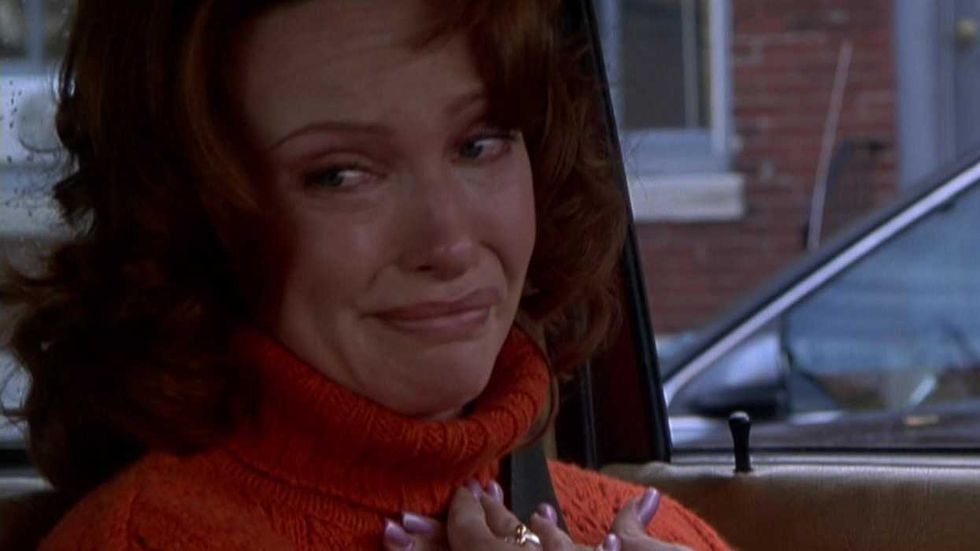 ‘The Sixth Sense’ (1999)Credit: Buena Vista Pictures Distribution
Shocking but cerebral Shyamalan-style twists also became more and more prevalent on both the big and small screens, from horror titles like Saw, The Others, and The Skeleton Key to dramas like Christopher Nolan’s The Prestige. That trend ultimately laid the foundation for the “puzzle box” storytelling style popularized by J.J. Abrams in projects like his hit series Lost.
Given how much of an influence it had on what came after it, it makes perfect sense why The Sixth Sense would still be on AFI voters’ minds when it came time to assemble their revised list eight years after its release.
In addition to this breakdown, you can read plenty more about The Sixth Sense in the archives of No Film School, which include articles on Shyamalan’s use of the color red, the iconic one-liner “I see dead people,” and why that scene almost got cut.